
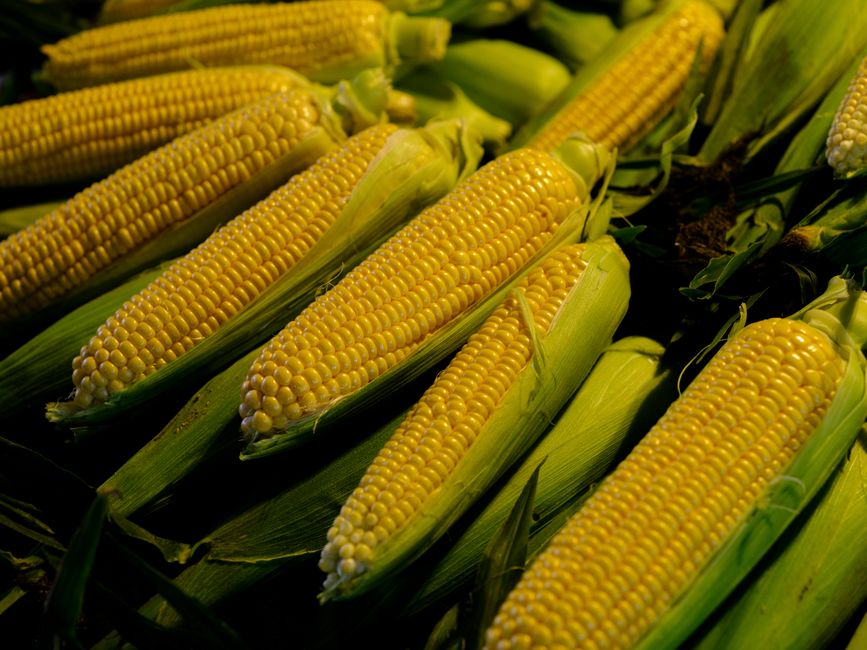
Corn is an incomplete protein because it does not contain all nine essential amino acids in the amounts your body needs. Specifically, corn is low in lysine and tryptophan, two essential amino acids your body cannot make on its own. That does not mean corn is a poor food — it simply means you should pair it with other foods to get a full amino acid profile.
What Does Complete and Incomplete Protein Actually Mean?
Proteins are built from amino acids. Think of amino acids as letters and proteins as words. Your body needs 20 different amino acids to build the proteins it uses for muscles, skin, hormones, and enzymes.
Nine of those 20 are called essential amino acids. Your body cannot produce them, so you must get them from food. A complete protein contains all nine in sufficient amounts. An incomplete protein is missing one or more of them or does not have enough of them.
Animal foods like meat, fish, eggs, and dairy are complete proteins. Most plant foods are incomplete proteins. Corn falls into that second group.
Is Corn A Complete Or Incomplete Protein Facts — The Direct Answer
Corn is an incomplete protein. The two amino acids it falls short on are lysine and tryptophan. It also has relatively low levels of threonine and methionine compared to animal proteins.
This matters because your body needs all nine essential amino acids at the same time to build new protein. If one is missing, protein synthesis slows down. That is why nutrition guidance often talks about pairing incomplete proteins together.
The good news is that you do not need to eat complete proteins at every meal. Your body pools amino acids from foods eaten throughout the day. As long as you eat a variety of plant proteins over the course of a day, you will get what you need.
Why the Old “Protein Combining” Advice Was Overblown
For decades, people were told they had to combine specific foods at the same meal — rice with beans, corn with beans — to make a complete protein. This idea came from a 1971 book called Diet for a Small Planet. The author later revised the advice after realizing it was too strict.
Research now shows that your body is more flexible than once believed. Your liver maintains a pool of free amino acids from recent meals. It draws on this pool throughout the day to assemble new proteins. Eating complementary proteins at separate meals works fine for most healthy people.
That said, there is a real exception. If your diet is heavily based on one or two starchy staples like corn alone, you can develop a deficiency. This actually happens in parts of the world where corn is the primary food source and little else is available.


How to Pair Corn to Get Complete Protein
Pairing corn with legumes is the classic solution. Beans, lentils, and peas are high in lysine — exactly what corn lacks. Corn, in turn, provides methionine, which legumes are relatively low in. Together, they complement each other.
Here are practical combinations that work:
- Corn tortillas with black beans
- Corn salad with chickpeas
- Corn and pea soup
- Polenta topped with lentil stew
- Cornbread with a side of pinto beans
You do not need to eat these together at the same meal. Eating beans at lunch and corn at dinner still gives your body what it needs to build complete protein over the course of the day.
Dairy and eggs also pair well with corn. A corn tortilla with cheese, or cornmeal porridge cooked with milk, provides all essential amino acids.
How Much Protein Does Corn Actually Provide?
Corn is not a high-protein food. One medium ear of sweet corn contains about 3 grams of protein. A cup of cooked corn kernels contains roughly 4 to 5 grams. Dried field corn used for flour or meal is somewhat higher per serving.
For comparison, a cup of cooked lentils contains about 18 grams of protein. A 3-ounce chicken breast contains about 26 grams. Corn is primarily a carbohydrate food — protein is secondary.
The quality of corn protein is also lower than animal protein. The Protein Digestibility-Corrected Amino Acid Score (PDCAAS) is a standard way to measure protein quality. Corn scores around 0.42, while eggs score 1.0 and soy scores 1.0. A score of 1.0 means the protein is fully digestible and complete.
This does not mean corn protein is useless. It means you need to eat more of it or combine it with other foods to meet your needs.
Does the Type of Corn Matter?
There are several types of corn, and their protein content varies slightly.
Sweet corn is what you eat fresh, frozen, or canned. It is lower in protein because it contains more sugar and water.
Field corn is dried and used for cornmeal, flour, tortillas, and animal feed. It contains more protein by weight than sweet corn.
Popcorn is a whole grain and contains about 3 to 4 grams of protein per 3-cup serving of popped corn. It is a decent snack option but still incomplete.
Quality protein maize (QPM) is a specially bred variety developed in the 1990s. It contains higher levels of lysine and tryptophan than regular corn. It was developed to address malnutrition in countries where corn is the dietary staple. You are unlikely to find QPM in a typical US grocery store, but it exists and is used in some food aid programs.
Regardless of type, no corn variety is a complete protein on its own. The differences are in degree, not in kind.
Who Needs to Worry About Incomplete Proteins?
Most Americans do not need to worry. The typical US diet includes plenty of animal protein, which is complete. Even vegetarians and vegans usually get enough variety to cover their amino acid needs.
People who might need to pay attention include:
- Vegans who eat a very narrow range of foods
- People following restrictive elimination diets
- Elderly individuals with poor appetite
- People in food-insecure situations where corn is the main calorie source
If you eat a varied diet with beans, nuts, seeds, whole grains, and vegetables, you are almost certainly getting enough of all nine essential amino acids. The incomplete nature of corn is not a practical problem for most people.
One important note: athletes and people doing heavy resistance training may need more total protein than the general population. But even then, the solution is eating more total protein — not obsessing over whether each individual food is complete.
What About Corn and Niacin (Vitamin B3)?
There is another nutrient issue with corn that deserves mention. Corn contains niacin, but in a bound form called niacytin that your body cannot absorb well. Traditional cultures that ate corn as a staple often treated it with lime (calcium hydroxide) — a process called nixtamalization — which releases the niacin.
This is why tortillas made from masa harina are more nutritious than cornmeal mush. The lime treatment improves niacin availability and also increases calcium content.
Pellagra, a disease caused by severe niacin deficiency, was common in the American South in the early 1900s when corn was a dietary staple. It is rare today because diets are more varied and most corn products in the US are enriched.
This is not directly about protein, but it is part of the full picture of corn as a staple food. Corn alone is not enough for optimal health — for protein or for vitamins.
Practical Takeaways for Your Diet
Corn is a healthy, affordable, versatile food. It provides fiber, B vitamins, magnesium, and antioxidants called carotenoids. It is a whole grain when eaten as popcorn or whole kernels.
The protein issue is real but manageable. Here is what the evidence supports:
- Corn is an incomplete protein — it lacks sufficient lysine and tryptophan
- Pair corn with beans, lentils, dairy, eggs, or nuts to get complete protein
- You do not need to combine them at the same meal — same day is fine
- Most people eating varied diets do not need to track amino acids
- Corn is primarily a carbohydrate food, not a protein source
If you are vegetarian or vegan, make sure your diet includes a variety of legumes, whole grains, nuts, and seeds. That variety handles the amino acid issue automatically.
If you are eating corn as a major part of your diet for economic or cultural reasons, add beans or dairy when possible. Even small amounts of complementary protein make a meaningful difference.
Frequently Asked Questions
Is corn a complete protein?
No, corn is an incomplete protein because it lacks sufficient amounts of lysine and tryptophan. It must be paired with other foods to provide all nine essential amino acids.
What foods make corn a complete protein?
Beans, lentils, dairy, eggs, and nuts complement corn’s amino acid profile. Eating these foods the same day as corn gives your body everything it needs.
Can you survive on corn alone?
No, a corn-only diet leads to protein and niacin deficiencies over time. Historical populations eating corn as a staple always supplemented with beans or other foods.
Is popcorn a good source of protein?
Popcorn contains about 3 to 4 grams of protein per 3-cup serving, but it is incomplete protein. It is a healthy whole-grain snack, just not a primary protein source.
