

Coconut oil is generally safe to use as a personal lubricant for most people, but it is not the best choice for everyone. It is an effective moisturizer and works well for external massage and intercourse, but it is not safe for use with latex condoms because the oil can break down the latex and cause the condom to fail. If you are using polyurethane or polyisoprene condoms, coconut oil is a viable option, but for standard latex protection, you should choose a water-based or silicone-based lubricant instead.
Is Coconut Oil Safe For Lube?
Yes, for many people, coconut oil is safe to use as a lubricant. It is a natural product, free of the synthetic chemicals, glycerin, and parabens found in many commercial lubricants. Because it is an oil, it lasts much longer than water-based lubes and does not dry out or get sticky during use. It is also deeply moisturizing to the skin.
However, “safe” depends heavily on your specific situation. The two biggest concerns are condom compatibility and your personal vaginal or skin health. If neither of those applies to you, coconut oil is a perfectly reasonable choice for lubrication.
Does Coconut Oil Break Down Latex Condoms?
Yes. Oil and latex do not mix. Any oil-based lubricant, including coconut oil, mineral oil, petroleum jelly, or baby oil, will weaken the structure of latex. This can cause the condom to tear or break during intercourse, leading to a high risk of pregnancy or sexually transmitted infections.
If you rely on condoms for protection, do not use coconut oil with latex condoms. Instead, switch to a silicone-based or water-based lubricant. If you prefer coconut oil specifically, you can use it safely with condoms made from polyurethane or polyisoprene, as these materials are not damaged by oils.
Is Coconut Oil Safe for Vaginal Use?
Coconut oil is safe to apply to the external genital area, but there are important caveats for internal use. The vagina naturally maintains a slightly acidic pH and a balance of bacteria and yeast. Introducing oils can disrupt this balance in some women, potentially leading to an overgrowth of yeast or bacteria.
Some research suggests that coconut oil has mild antibacterial and antifungal properties, and many women report using it without issues. However, no large clinical trials have confirmed that coconut oil is a safe or beneficial internal vaginal lubricant. If you are prone to recurring yeast infections or bacterial vaginosis, you should be cautious. If you use coconut oil internally and notice itching, burning, or unusual discharge, stop using it and consult a healthcare provider.




What Are the Risks of Using Coconut Oil as Lube?
There are a few genuine risks to be aware of. The first is the condom issue described above. The second is the risk of vaginal irritation or infection for sensitive individuals. Coconut oil is comedogenic, meaning it can clog pores, so it may not be ideal for people with acne-prone skin on the thighs or bikini line.
Another concern is hygiene. Coconut oil is solid at room temperature and requires warming in your hands before use. Dipping fingers back into the jar after touching skin can introduce bacteria into the container. If you use coconut oil regularly, it is better to scoop out what you need with a clean utensil rather than using your fingers directly from the jar.
There is also a myth that coconut oil can prevent or cure sexually transmitted infections. There is no evidence to support this. Coconut oil offers no protection against STIs, and relying on it for that purpose is dangerous.
Does Coconut Oil Kill Sperm?
No. Coconut oil is not a spermicide. It does not kill sperm or reduce their motility in any reliable way. Using coconut oil as a lubricant does not prevent pregnancy. If you are using it as a lube and are not on another form of birth control, you should assume pregnancy is possible.
Some older laboratory studies have looked at the effect of coconut oil on sperm movement, but the results are not strong enough to support any claim that it works as a contraceptive. Do not rely on coconut oil for birth control.
What Is the Best Lubricant for Sensitive Skin?
For people with sensitive skin or a history of irritation, the safest options are typically water-based lubricants without glycerin or parabens, or silicone-based lubricants. Silicone lubes are long-lasting, do not dry out, and are safe with all condom types. They are also hypoallergenic for most people.
Water-based lubes are easier to wash off and are safe with all condoms and sex toys. The downside is they dry out faster and may require reapplication. If you want a natural option that is safe with latex, look for a water-based lube that lists only simple ingredients like water, glycerin-free, and aloe vera. Always patch-test a new product on your inner arm before using it on sensitive areas.
Can You Use Coconut Oil with Sex Toys?
Yes, but only with certain materials. Coconut oil is safe to use with glass, stainless steel, and most silicone sex toys. It will not damage these surfaces. However, you should not use coconut oil with sex toys made of latex, rubber, or certain soft plastics, as the oil can degrade the material over time.
If you are unsure what your toy is made of, check the packaging or the manufacturer’s website. When in doubt, a water-based lubricant is the safest universal choice for all sex toys.
How Should You Use Coconut Oil as Lube?
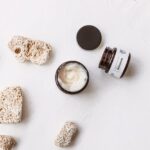
If you decide to use coconut oil, choose unrefined, cold-pressed, organic coconut oil without added fragrances or preservatives. Refined coconut oil has been processed and may contain additives that can irritate the skin. Unrefined coconut oil retains its natural fatty acids and has a mild coconut scent.
Start with a small amount. Coconut oil is thick at room temperature, so warm it between your palms first. Apply it externally before intercourse, and reapply as needed. If you are using it for internal lubrication, insert it gently and slowly. Stop immediately if you feel any burning or discomfort.
Frequently Asked Questions
Can coconut oil cause a yeast infection?
It can for some women, though it does not for others. Introducing any oil into the vagina can disrupt the natural balance of bacteria and yeast, so if you are prone to infections, it is safer to avoid internal use.
Is coconut oil safe to swallow?
Yes, food-grade coconut oil is safe to ingest in normal amounts. It is commonly used in cooking, and swallowing trace amounts during oral sex poses no known health risk.
Does coconut oil work better than regular lube?
It lasts longer than water-based lube and feels more natural to many people, but it is not safe with latex condoms. For latex-safe needs, silicone-based lube is the most comparable alternative.
Can I use coconut oil every day?
External daily use is generally fine for most people. Internal daily use is not well studied, and the lack of clinical evidence means it is safer to use it occasionally rather than as a daily routine.
