
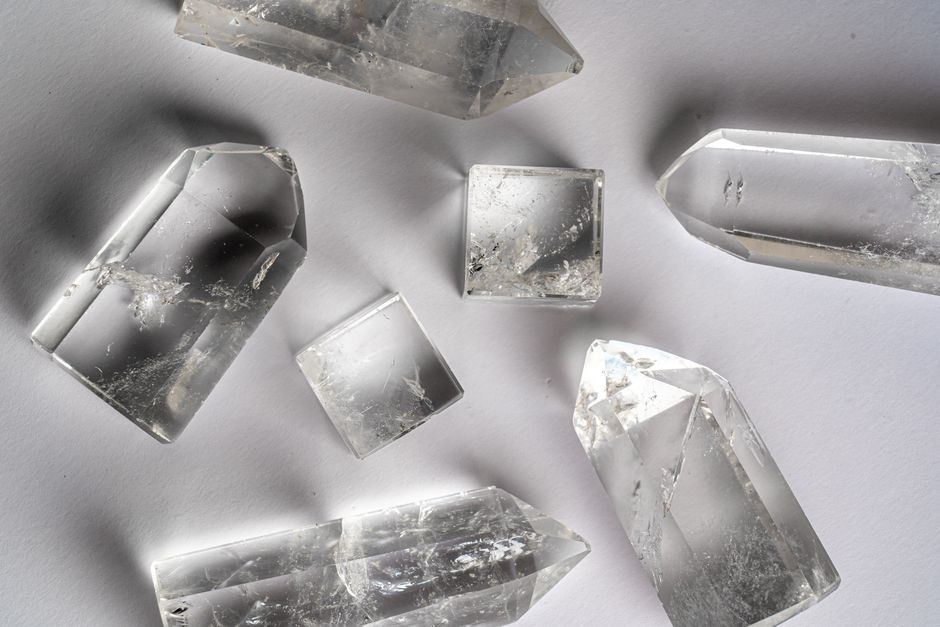
Silicon dioxide is safe to eat in the amounts used in food. It is a common anti-caking agent found in many everyday products, from spices to supplements. The FDA and global food safety agencies have reviewed the evidence and approved it for use in food.
What Is Silicon Dioxide?
Silicon dioxide is a natural compound made of silicon and oxygen. It is the main component of sand, quartz, and many types of rock. In food, it is used as a fine white powder.
Food-grade silicon dioxide is not the same as beach sand. It is processed to remove impurities and ground into a very fine powder. This powder is used to keep dry ingredients from clumping together.
You will see it listed on ingredient labels as an anti-caking agent. It is also used in some supplements and medications to keep powders flowing freely.
Is Silicon Dioxide Safe in Food?
Yes. Silicon dioxide has been studied for decades and is approved for use in food in the United States and around the world. The FDA lists it as generally recognized as safe, or GRAS. This means it has a long history of safe use and scientific evidence supporting its safety.
The European Food Safety Authority has also reviewed silicon dioxide and set an acceptable daily intake level. The Joint FAO/WHO Expert Committee on Food Additives, which advises the United Nations, has done the same.
These agencies base their decisions on animal studies and human exposure data. The amounts used in food are very small, typically less than 2 percent of a product’s weight. At these levels, silicon dioxide passes through the digestive tract without being absorbed into the body in significant amounts.
How Much Silicon Dioxide Is in Food?
The amount of silicon dioxide in food is tightly controlled. It is not an ingredient you consume in large quantities. It is added at the lowest level needed to prevent clumping.
In most products, silicon dioxide makes up less than 2 percent of the total weight. In spices and seasoning blends, it is often less than 1 percent. The FDA sets a limit of 2 percent for most foods where it is used.
To put this in perspective, a serving of a powdered drink mix might contain only a few milligrams of silicon dioxide. Your body naturally contains more silicon than that from the food and water you consume daily.




Is Silicon Dioxide the Same as Silica?
Yes. Silicon dioxide and silica are the same chemical compound. The terms are used interchangeably in food labeling and scientific literature.
You may also see it listed as E551 on food labels in Europe and other regions. This is the European food additive number for silicon dioxide.
There is a difference between food-grade silica and other forms of silica. Crystalline silica, which is found in sand and quartz, can be hazardous when inhaled as dust over long periods. This is an occupational hazard for miners and construction workers, not a food safety issue.
The silicon dioxide used in food is amorphous, meaning it has a different molecular structure. Amorphous silica is not associated with the lung risks linked to crystalline silica dust.
What Foods Contain Silicon Dioxide?
Silicon dioxide appears in a wide range of dry food products. Its job is always the same: keep powders from caking or absorbing moisture.
- Spices and seasoning blends
- Powdered drink mixes
- Coffee creamers
- Flour and baking mixes
- Salt and salt substitutes
- Supplements and vitamins
- Instant soups and sauces
- Powdered eggs and milk
It is also used in some cosmetics, toothpaste, and pharmaceutical tablets. In these products, it serves the same anti-caking function.
Are There Any Health Risks?
Research does not show health risks from silicon dioxide at the levels used in food. The compound has been evaluated in numerous studies, including long-term animal feeding studies.
Some concerns have been raised about nanoparticles. Silicon dioxide can contain particles at the nanoscale, which are smaller than 100 nanometers. This has led to questions about whether nanoparticles behave differently in the body.
The evidence so far does not show harm from food-grade silicon dioxide nanoparticles. Studies in animals have not found significant absorption or accumulation in tissues. However, research on long-term nanoparticle exposure is still ongoing, and some scientists have called for more studies.
If you have concerns, the practical risk is minimal. The amount of silicon dioxide in food is very small, and most of it is not absorbed. Your body excretes it in urine and stool.
Is Silicon Dioxide Safe in Supplements?
Silicon dioxide is widely used in dietary supplements. It prevents vitamin powders and capsule contents from clumping. It also helps ingredients flow evenly during manufacturing.
The same safety evaluations apply to supplements as to food. The FDA’s GRAS designation covers silicon dioxide in supplements. The amounts used are small and consistent with food use.
Some people are concerned about silicon dioxide in supplements because they take them daily over long periods. Current evidence does not show a reason for concern at approved levels. No clinical studies have found harm from silicon dioxide at the levels used in supplements.
Is Silicon Dioxide Safe for Everyone?
Silicon dioxide is safe for the general population, including pregnant women and children. No specific warnings exist for these groups. The compound is not absorbed in significant amounts and does not accumulate in the body.
People with kidney disease may need to be more cautious. The kidneys help filter and excrete silicon from the body. If kidney function is impaired, silicon levels in the blood can rise. However, the amounts from food are so small that this is rarely a clinical concern.
If you have a medical condition that affects how your body handles minerals, talk to your doctor about your overall diet. This is standard advice for any dietary concern, not a specific warning about silicon dioxide.
Silicon Dioxide vs. Other Anti-Caking Agents
Silicon dioxide is one of several anti-caking agents approved for food use. Others include calcium silicate, magnesium stearate, and tricalcium phosphate.
These compounds work in similar ways. They coat the surface of powder particles to keep them from sticking together. All of them are approved for food use and have safety records.
Silicon dioxide is one of the most common because it is effective at very low levels and does not affect taste or color. It is also chemically stable, meaning it does not react with other ingredients.
Frequently Asked Questions
Is silicon dioxide a natural ingredient?
Yes, silicon dioxide occurs naturally in sand, quartz, and many plants and animals. The food-grade version is processed for purity but comes from natural sources.
Can silicon dioxide cause cancer?
No evidence links food-grade silicon dioxide to cancer. The lung risks associated with silica are specific to inhaling crystalline silica dust in industrial settings, not eating food-grade amorphous silica.
Is silicon dioxide safe to consume daily?
Yes, the amounts in food are well below safety limits and have been approved for daily consumption. Your body does not absorb most of it and excretes it normally.
Why is silicon dioxide added to food?
It prevents dry powders from clumping and keeps ingredients flowing freely. Without anti-caking agents, spices and powdered mixes would form hard lumps and be difficult to use.
