
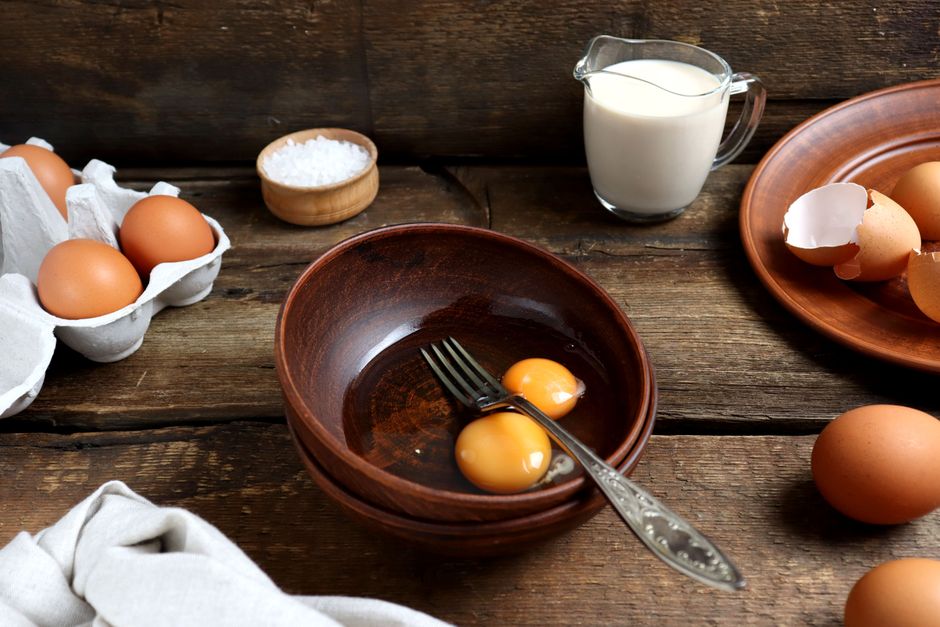
Eating raw egg yolk carries a real risk of Salmonella infection, and health authorities do not consider it safe, especially for young children, older adults, pregnant women, and anyone with a weakened immune system. The risk is lower than many people think, but it is not zero. Pasteurized eggs are the only way to enjoy raw or lightly cooked yolks without that risk.
What Is The Actual Risk Of Salmonella In Raw Eggs?
The numbers matter here. Estimates vary, but the U.S. Food and Drug Administration has stated that roughly 1 in 20,000 eggs may be contaminated with Salmonella. That sounds small, and it is. But consider how many eggs people eat. Millions of eggs are consumed daily across the country.
When you multiply a small risk by a large number of exposures, the total number of infections becomes significant. The CDC estimates that Salmonella causes about 1.35 million infections, 26,500 hospitalizations, and 420 deaths in the United States every year. Eggs are among the most common sources of Salmonella infection.
The specific strain that lives inside eggs is called Salmonella Enteritidis. It can infect a hen’s ovaries without making the bird sick. That means the bacteria can be inside the egg before the shell even forms. Washing the shell does nothing to remove this risk because the contamination is internal.
How Does Salmonella Get Inside An Egg?
Two main routes exist. The first is transovarian transmission. The bacteria colonize the hen’s reproductive tract, and the yolk picks up the bacteria as it forms. This is why even clean, intact eggs from healthy-looking hens can carry Salmonella.
The second route is fecal contamination. Salmonella lives in the intestines of infected animals, including chickens. Eggs can pick up bacteria from droppings in the hen house, either on the shell or through pores in the shell after laying.
Proper refrigeration slows bacterial growth but does not kill the bacteria. Cooking is the only reliable way to kill Salmonella. The bacteria die when the egg reaches 160°F (71°C). A raw egg yolk never reaches that temperature.
Is It Safe To Eat Raw Egg Yolk The Salmonella Risk — Who Should Never Do It
Some people face a much higher risk of severe illness if they consume raw egg yolk. For these groups, even a small chance of exposure is not worth taking.
- Pregnant women — Salmonella infection during pregnancy can cause dehydration and, in rare cases, lead to complications that affect the fetus.
- Infants and young children — Their immune systems are still developing, and dehydration from diarrhea can become dangerous quickly.
- Older adults — Age-related changes in the immune system make it harder to fight off infection.
- People with weakened immune systems — This includes people undergoing chemotherapy, organ transplant recipients, and those with HIV or autoimmune conditions.
- People taking acid-reducing medications — Stomach acid is a natural defense against ingested bacteria. Medications that reduce stomach acid remove some of that protection.
For healthy adults outside these groups, the risk is real but relatively low. The decision is personal. However, understanding the consequences of a severe infection helps put the choice in perspective.





What Happens If You Get Salmonella From Raw Eggs?
Symptoms usually begin within 6 to 72 hours after eating contaminated food. The classic signs are diarrhea, fever, and stomach cramps. Nausea and vomiting are also common.
Most healthy adults recover without medical treatment within 4 to 7 days. The main danger is dehydration from fluid loss. Staying hydrated is the most important part of recovery.
But some infections are not mild. Invasive Salmonella can enter the bloodstream and spread to other parts of the body. This is called bacteremia. It requires hospitalization and intravenous antibiotics. This is rare but more likely in the high-risk groups listed above.
One lesser-known complication is reactive arthritis. Some people develop joint pain, eye irritation, and painful urination weeks after a Salmonella infection. This condition, also called Reiter’s syndrome, can last for months or even years. It is not common, but it is a real consequence of infection.
Are Pasteurized Eggs The Answer?
Yes. Pasteurized eggs are heated to a temperature that kills Salmonella without cooking the egg. The process uses a warm water bath that brings the egg to about 140°F (60°C) for a short time. The proteins do not coagulate at this temperature, so the egg remains liquid.
Pasteurized eggs look, taste, and cook the same as regular eggs. They are available in most major grocery stores. The carton is clearly labeled “pasteurized.” They cost slightly more than regular eggs, but the price difference is small compared to the peace of mind.
For anyone who wants to make homemade mayonnaise, Caesar dressing, hollandaise sauce, or soft-boiled eggs with runny yolks, pasteurized eggs are the safest choice. They eliminate the Salmonella risk almost entirely.
What About Raw Egg Whites?
Raw egg whites carry a lower risk than yolks, but they are not risk-free. Salmonella is more likely to be found in the yolk because of how the bacteria colonize the hen’s reproductive tract. However, the white can become contaminated if the egg is cracked or if bacteria migrate through the shell.
A separate concern with raw egg whites is avidin. This protein binds to biotin, a B vitamin, and prevents its absorption. Eating large amounts of raw egg white over time can lead to biotin deficiency. Cooking denatures avidin, which eliminates this problem.
Raw egg whites are also more likely to cause allergic reactions than cooked whites. Cooking changes the protein structure, making it less likely to trigger an immune response in sensitive individuals.
Common Foods That Use Raw Eggs — And Safer Alternatives
Many classic recipes call for raw or lightly cooked eggs. Understanding which foods carry risk helps you make informed choices.
| Food | Traditional Preparation | Safer Alternative |
|---|---|---|
| Homemade mayonnaise | Raw egg yolk whisked with oil and acid | Use pasteurized eggs or commercial mayo |
| Caesar salad dressing | Raw egg yolk or raw egg in the emulsion | Use pasteurized eggs or a bottled version |
| Hollandaise sauce | Raw egg yolks cooked gently over heat | Use pasteurized eggs or a packaged mix |
| Soft-boiled eggs | Cooked until white is set but yolk is runny | Cook until yolk is firm, or use pasteurized eggs |
| Eggnog | Raw eggs beaten with milk and sugar | Use a cooked eggnog recipe or pasteurized eggs |
| Tiramisu | Raw egg yolks whipped with sugar | Use pasteurized eggs or a cooked zabaglione method |
| Protein shakes | Raw egg blended into the drink | Use pasteurized eggs or a protein powder |
Some commercial products labeled as containing raw egg are actually made with pasteurized eggs. Checking the label is the most reliable way to know.
How To Reduce Risk If You Choose To Eat Raw Egg Yolk
If you are a healthy adult and decide to eat raw egg yolk, certain steps can reduce your risk. None of these steps eliminate the risk entirely, but they lower it.
Buy eggs from a refrigerated case and keep them refrigerated at home. Temperature fluctuations allow bacteria to multiply. Store eggs in their original carton in the main body of the refrigerator, not in the door where temperatures fluctuate more.
Check the shell for cracks. A cracked shell provides an easy entry point for bacteria. Discard any egg with visible damage.
Use eggs before the expiration date. Freshness matters because older eggs have more time for bacterial growth if contamination is present.
Separate the yolk from the white carefully. Do not use the shell to separate eggs because the shell may carry bacteria on its surface. Wash your hands and any utensils that touch raw egg.
One point many people miss: the longer a raw egg sits at room temperature, the more time bacteria have to multiply. If you are making a dish with raw eggs, keep the preparation time short and refrigerate the finished product immediately.
Frequently Asked Questions
Can you get Salmonella from raw egg yolk?
Yes, raw egg yolk can carry Salmonella Enteritidis, a bacteria that causes food poisoning. The risk is roughly 1 in 20,000 eggs, but it is higher for people with weakened immune systems.
Is it safe to eat raw egg yolk if the shell is clean?
No. Salmonella can be inside the egg before the shell forms because it infects the hen’s reproductive tract. A clean, intact shell does not guarantee the yolk is safe.
Do pasteurized eggs taste different from regular eggs?
No. Pasteurized eggs look, taste, and cook the same as regular eggs. The only difference is that they have been heat-treated to kill Salmonella.
Can you cook raw egg yolk enough to kill Salmonella without making it hard?
Salmonella dies at 160°F, which is the temperature where egg yolk begins to thicken. A runny yolk has not reached this temperature, so it still carries risk. Pasteurized eggs are the only way to get a runny yolk without Salmonella risk.
