
Cherry pie is a dessert, not a health food, and the nutrition facts make that clear. A standard slice contains significant sugar and refined flour with minimal fiber or protein. While cherries themselves offer antioxidants and anti-inflammatory compounds, the pie format adds enough sugar, butter, and crust to outweigh those benefits for most people. This article breaks down exactly what the nutrition data shows so you can decide for yourself.
What Is in a Typical Slice of Cherry Pie?
A single slice of cherry pie (roughly one-eighth of a 9-inch pie) contains about 325 to 400 calories. The exact number depends on the recipe, crust thickness, and sugar content. Most of those calories come from carbohydrates and fat.
Here is the typical nutrition breakdown for one slice:
| Nutrient | Amount per slice |
|---|---|
| Calories | 325–400 |
| Total fat | 14–18 grams |
| Saturated fat | 5–8 grams |
| Carbohydrates | 50–60 grams |
| Sugar | 25–35 grams |
| Fiber | 1–2 grams |
| Protein | 3–5 grams |
| Sodium | 200–300 mg |
The crust is where most of the fat and refined carbohydrates come from. The filling adds sugar and some fruit, but the cherries are typically canned in syrup, which adds even more sugar. A slice of cherry pie has roughly the same amount of sugar as a can of soda, plus the fat from butter or shortening in the crust.
For context, the American Heart Association recommends limiting added sugar to 36 grams per day for men and 25 grams for women. One slice of pie can easily meet or exceed that limit.
Does Cherry Pie Offer Any Nutritional Benefits?
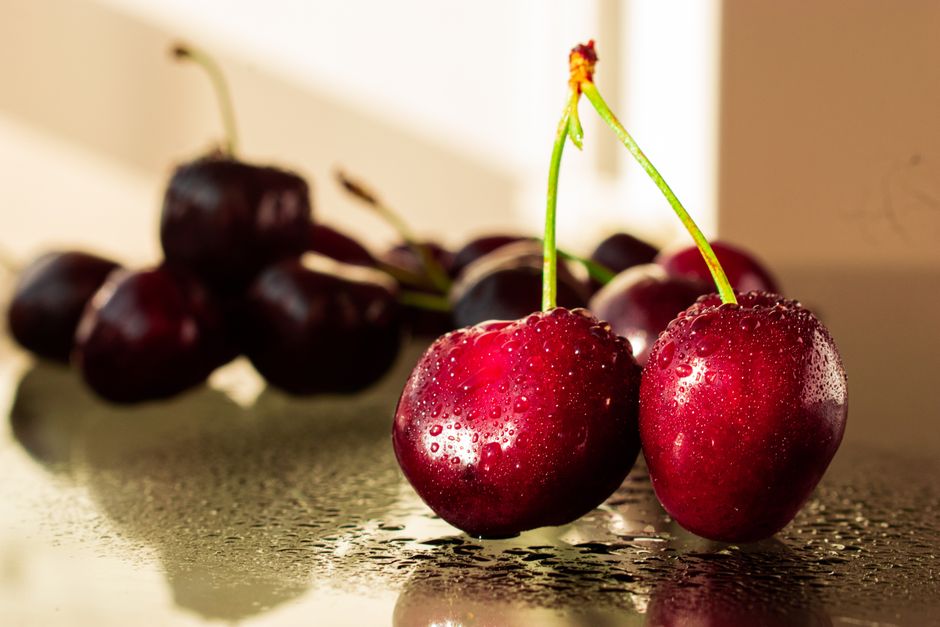
Cherries themselves are nutritious. They contain vitamin C, potassium, and plant compounds called anthocyanins. These compounds give cherries their red color and have been studied for their anti-inflammatory and antioxidant effects. Research published in the Journal of Nutrition found that tart cherry juice can reduce markers of inflammation and muscle soreness after exercise.
The problem is that a cherry pie contains far more added sugar than actual cherries. Most recipes use one to two cups of sugar for the entire pie. The fruit content per slice is small, about one-quarter to one-third of a cup of cherries. You would get far more of the beneficial compounds from eating a bowl of fresh or frozen cherries than from a slice of pie.
Some studies suggest that tart cherries may help with sleep because they contain natural melatonin. But again, the amount in a slice of pie is too small to have a meaningful effect. If you are looking for the health benefits of cherries, eat the fruit, not the pie.
How Does Cherry Pie Compare to Other Desserts?
Compared to other fruit desserts, cherry pie is similar in calories and sugar to apple pie or blueberry pie. A slice of apple pie has about 350 calories and 30 grams of sugar. A slice of pecan pie has more calories and fat because of the nuts and corn syrup. A slice of pumpkin pie is slightly lower in calories, around 300, with less sugar.
Here is how cherry pie stacks up against other common desserts:
- Cherry pie: 350 calories, 30 grams sugar, 14 grams fat
- Apple pie: 350 calories, 28 grams sugar, 15 grams fat
- Pumpkin pie: 300 calories, 22 grams sugar, 13 grams fat
- Pecan pie: 450 calories, 35 grams sugar, 22 grams fat
- Chocolate cake with frosting: 400 calories, 35 grams sugar, 18 grams fat
Cherry pie is not the worst dessert you could choose, but it is not a healthy option either. It falls in the middle of the pack. If you want a lower-sugar dessert, a small serving of fresh fruit with whipped cream or a square of dark chocolate is a better choice.




Can Cherry Pie Be Part of a Healthy Diet?
Yes, but only in the context of an otherwise balanced diet. No single food determines your health. What matters is your overall eating pattern over weeks and months. If you eat mostly whole foods — vegetables, fruits, lean proteins, whole grains — then an occasional slice of cherry pie will not harm you.
The key is portion size and frequency. A single slice once a week or once every two weeks is fine for most people. Eating half a pie every night is not. The problem with cherry pie is that it is easy to eat more than one slice, especially at gatherings or holidays.
Some people report that eating a small slice of pie after a meal helps them feel satisfied and prevents cravings for more sugar later. That may work for some, but there is no strong evidence to support it as a strategy. It is more about personal experience than science.
What Are the Downsides of Eating Cherry Pie Regularly?
Eating cherry pie regularly means consuming a lot of added sugar and refined flour. Over time, a high intake of added sugar is linked to weight gain, type 2 diabetes, heart disease, and fatty liver. The CDC reports that the average American gets about 17 teaspoons of added sugar per day, far above the recommended limit. One slice of cherry pie adds about 6 to 8 teaspoons.
The saturated fat in the crust is also a concern. The American Heart Association recommends limiting saturated fat to 5 to 6 percent of total calories. For a 2,000-calorie diet, that is about 13 grams per day. One slice of pie provides half that amount.
Another issue is that cherry pie is low in fiber and protein. This means it does not keep you full for long. You may feel hungry again soon after eating it, which can lead to overeating later. A dessert with more fiber or protein, like a bowl of berries with Greek yogurt, would keep you satisfied longer.
Is There a Healthier Way to Make Cherry Pie?
You can reduce the sugar and fat content by making changes to the recipe. Use a whole-wheat or almond flour crust instead of white flour and butter. Reduce the sugar in the filling by half and use fresh or frozen cherries instead of canned in syrup. You can also add a tablespoon of chia seeds or flaxseed to the filling for extra fiber.
Another option is to make a cherry crisp or crumble instead of a pie. These desserts use less crust and more fruit. A typical cherry crisp has about 250 calories per serving and 20 grams of sugar, which is lower than a slice of pie. You can also top it with a small amount of whipped cream or yogurt instead of ice cream.
If you are buying a store-bought cherry pie, check the ingredient list. Many brands add high-fructose corn syrup, preservatives, and artificial flavors. Look for pies with a short ingredient list and no added sugars beyond what is naturally in the cherries. Even then, the sugar content will still be high.
What Do the Studies Say About Tart Cherries and Health?
Research on tart cherries has focused on juice and concentrates, not pie. A 2018 study in the Journal of the International Society of Sports Nutrition found that tart cherry juice reduced muscle soreness after intense exercise. Another study in the European Journal of Nutrition found that tart cherry juice improved sleep quality and duration in older adults with insomnia.
These studies used about 8 to 12 ounces of tart cherry juice per day, which is far more cherries than what is in a slice of pie. The benefits came from the concentrated polyphenols and melatonin in the juice. A slice of pie does not provide enough of these compounds to have the same effect.
Some people claim that cherry pie can help with arthritis pain or inflammation because of the anthocyanins. There is no clinical evidence to support this. The amount of anthocyanins in a slice of pie is too small to produce measurable anti-inflammatory effects. If you want that benefit, drink tart cherry juice or eat fresh cherries.
Common Misconceptions About Cherry Pie
One common myth is that cherry pie is healthy because it contains fruit. This ignores the fact that the fruit is heavily sweetened and the crust adds fat and refined carbs. Another myth is that cherry pie can help you sleep because of the melatonin in cherries. The melatonin content in a slice of pie is negligible, and the sugar may actually interfere with sleep quality.
Some people also believe that homemade cherry pie is automatically healthier than store-bought. That depends entirely on the recipe. A homemade pie can still have a lot of sugar and butter. The advantage of homemade is that you control the ingredients, but you still need to make smart choices.
Finally, there is a misconception that cherry pie is a good source of vitamin C. A slice provides about 2 to 4 milligrams of vitamin C, which is less than 5 percent of the daily recommended intake. An orange provides about 70 milligrams. Cherry pie is not a meaningful source of vitamins or minerals.
Frequently Asked Questions
Is cherry pie healthy for weight loss?
No. A slice of cherry pie has about 350 calories and 30 grams of sugar, which makes it a poor choice for weight loss. It is high in calories and low in nutrients that keep you full.
Can cherry pie help with inflammation?
No. While tart cherries contain anti-inflammatory compounds, the amount in a slice of pie is too small to have any measurable effect. You would need to eat several servings of fresh cherries or drink tart cherry juice.
Is cherry pie healthier than apple pie?
They are very similar. Both have about 350 calories and 30 grams of sugar per slice. The difference is small and neither is significantly healthier than the other.
How much sugar is in a slice of cherry pie?
A typical slice contains 25 to 35 grams of sugar. That is about 6 to 8 teaspoons, which is close to the daily limit recommended by the American Heart Association.
