
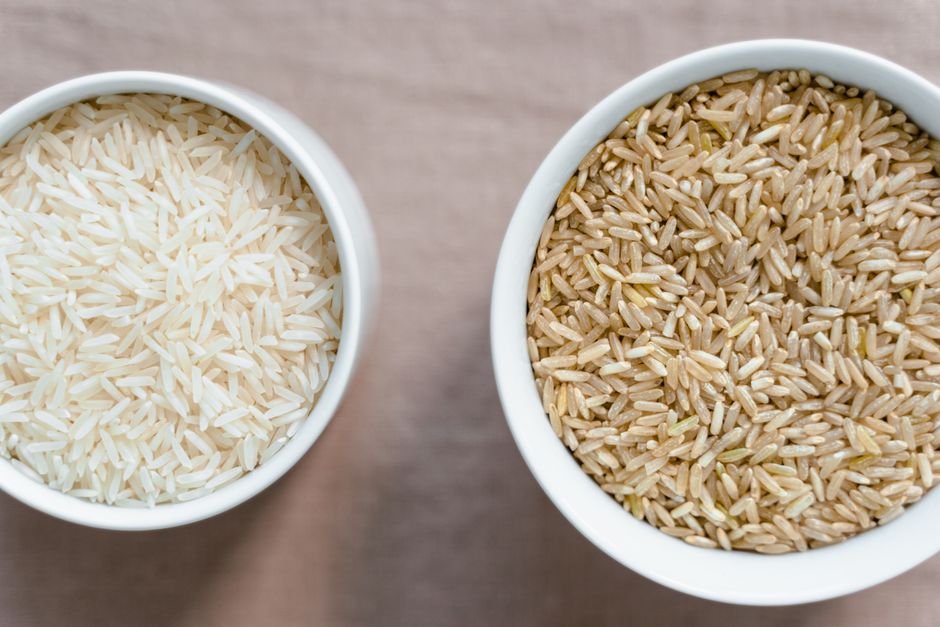
If you are trying to eat healthier and choosing between rice and pasta, the short answer is that neither is clearly better. Both are primarily carbohydrates with similar calorie counts. The real difference comes down to fiber, protein, and how your body processes them. Brown rice and whole wheat pasta offer more nutrients than their white versions. But for most people, the better choice depends on your specific health goals, not on one food being superior.
What Are the Main Nutritional Differences Between Rice and Pasta?
Let us look at the numbers for plain cooked versions without added fat or salt. A cup of cooked white rice has about 200 calories, 44 grams of carbs, and less than 1 gram of fiber. The same amount of cooked white pasta has roughly 220 calories, 43 grams of carbs, and about 2.5 grams of fiber. So pasta has a slight edge in fiber right from the start.
Brown rice changes the picture. One cup of cooked brown rice provides around 215 calories, 45 grams of carbs, and 3.5 grams of fiber. Whole wheat pasta gives you about 200 calories, 40 grams of carbs, and 5 to 6 grams of fiber. The fiber difference matters because it slows digestion and keeps blood sugar more stable.
Protein is another area where pasta wins. Regular pasta has about 8 grams of protein per cup. White rice has only 4 grams. Brown rice has 5 grams. If you are trying to get more protein without eating meat, pasta is the better option.
Neither food is a significant source of vitamins unless it is fortified. Some pastas and rices have added B vitamins and iron. Check the label if that matters to you. As of 2026, many brands add these nutrients to replace what is lost during processing.
Is Rice Or Pasta Better For You Nutrition Facts for Weight Loss?
For weight loss, the answer depends on what else you eat with these foods. Both rice and pasta are calorie-dense carbohydrates. Eating large portions of either can make it hard to lose weight.
The fiber in whole grain versions helps you feel full longer. Research shows that people who eat more fiber tend to weigh less. Whole wheat pasta has about twice the fiber of brown rice. That fullness factor can help you eat less overall.
But rice has one advantage for portion control. It takes up more space on your plate for the same number of calories when cooked. A cup of cooked rice looks like more food than a cup of cooked pasta. This visual cue might help some people feel satisfied with less.
The real issue is what you add. A bowl of white rice with vegetables and lean protein is very different from the same rice in a heavy sauce. Pasta dishes often come with cheese, oil, and creamy sauces that add calories fast. Rice dishes in many cuisines include vegetables and broth-based flavors.
Some studies suggest that replacing white rice with brown rice is linked to lower body weight. The same is true for switching from white pasta to whole wheat. But neither food causes weight gain on its own. It is the total calories that matter.
How Do Rice and Pasta Affect Blood Sugar?
Blood sugar impact is where the differences become clearer. White rice has a high glycemic index, meaning it raises blood sugar quickly. White pasta has a medium glycemic index because the structure of pasta slows digestion slightly.
Brown rice has a medium glycemic index. Whole wheat pasta has a lower glycemic index than brown rice. This is because whole wheat pasta retains more of the grain structure, which slows down how fast your body breaks it down into sugar.
For people with diabetes or prediabetes, whole wheat pasta is usually the better choice. The fiber and protein together blunt the blood sugar spike. Brown rice is still better than white rice but not as good as whole wheat pasta.
One non-obvious detail is that cooling rice or pasta after cooking changes its starch structure. This creates something called resistant starch. Reheated rice or pasta has a lower glycemic impact than freshly cooked. Some people report making rice or pasta ahead of time and reheating it for this reason. The evidence is real but the effect is modest.





Which One Has More Vitamins and Minerals?
Neither rice nor pasta is a nutritional powerhouse. Both are primarily starch. But there are some differences worth noting.
Brown rice contains more magnesium, phosphorus, and selenium than white rice. These minerals support bone health, energy production, and antioxidant function. White rice loses most of these during processing because the bran and germ are removed.
Whole wheat pasta has more B vitamins, iron, and zinc than regular pasta. B vitamins help your body convert food into energy. Iron is important for oxygen transport in your blood. Zinc supports immune function.
Enriched pasta and rice have added nutrients. In the United States, many white rices and pastas are enriched with folic acid, thiamine, niacin, and iron. This happened because of government programs to prevent nutrient deficiencies. As of 2026, this enrichment is still common.
If you eat a varied diet with vegetables, protein, and healthy fats, the vitamin differences between rice and pasta probably do not matter much. If your diet is limited, whole grain versions of either are better.
Does the Type of Rice or Pasta Change the Answer?
Yes, the type matters a lot. White rice and white pasta are similar. Brown rice and whole wheat pasta are similar to each other. But there are many varieties beyond these basics.
For rice, options include basmati, jasmine, arborio, wild rice, and black rice. Basmati rice has a lower glycemic index than other white rices. Wild rice is actually a grass seed and has more protein and fiber than brown rice. Black rice is high in antioxidants called anthocyanins.
For pasta, you can find versions made from chickpeas, lentils, edamame, or konjac root. These have much more protein and fiber than wheat pasta. Chickpea pasta has about 14 grams of protein per serving. Lentil pasta has around 12 grams. These options change the nutrition picture completely.
Gluten-free pasta is another category. Most gluten-free pastas are made from rice flour, corn flour, or quinoa. They often have less fiber and protein than wheat pasta. Some are fortified to add nutrients back.
The takeaway is that you have more choices than just white rice versus white pasta. If you want more protein, try legume-based pasta. If you want more antioxidants, try black rice. If you want the lowest glycemic option, whole wheat pasta or basmati rice are good picks.
What Should You Consider When Choosing Between Rice and Pasta?
Your personal health goals should guide your choice. Here are the main factors to think about:
- Fiber needs: Whole wheat pasta has the most fiber. Brown rice has moderate fiber. White versions of both have very little.
- Protein needs: Pasta has more protein than rice. Legume-based pastas have the most.
- Blood sugar control: Whole wheat pasta is best. Brown rice and basmati rice are good. White rice and white pasta are worst.
- Calorie density: Both are similar. Portion size matters more than the choice.
- Digestive issues: Some people find rice easier to digest than pasta. Others have trouble with wheat.
- Cuisine and taste: Neither is healthy if you do not enjoy it. Choose what fits your meals.
A comparison table can help you see the differences at a glance:
| Nutrient (per 1 cup cooked) | White Rice | Brown Rice | White Pasta | Whole Wheat Pasta |
|---|---|---|---|---|
| Calories | 200 | 215 | 220 | 200 |
| Carbohydrates | 44 g | 45 g | 43 g | 40 g |
| Fiber | <1 g | 3.5 g | 2.5 g | 5-6 g |
| Protein | 4 g | 5 g | 8 g | 8 g |
| Glycemic Index | High | Medium | Medium | Low-Medium |
Common Misconceptions About Rice and Pasta
One widespread myth is that rice makes you gain weight more than pasta. The evidence does not support this. Both are calorie-dense starches. Weight gain happens when you eat more calories than you burn, not because of one specific food.
Another myth is that pasta is always unhealthy because it is made from wheat. Whole wheat pasta is a whole grain and provides fiber, protein, and nutrients. The problem is the portion size and what you put on top. A plate of pasta with tomato sauce and vegetables is different from the same pasta with cream sauce and cheese.
Some people believe that rice is gluten-free and therefore healthier. Gluten is only a problem for people with celiac disease or gluten sensitivity. For everyone else, gluten-containing foods are not harmful. Gluten-free pasta often has less fiber and protein than wheat pasta.
There is also a claim that pasta is better for athletes because of its carb content. Rice provides the same carbs. The difference is negligible for most people. Athletes need carbohydrates for energy. Both foods can provide that.
Frequently Asked Questions
Frequently Asked Questions
Is rice or pasta healthier for weight loss?
Neither is clearly better for weight loss. Both are similar in calories. Whole wheat pasta has more fiber which may help you feel full longer.
Does rice or pasta spike blood sugar more?
White rice spikes blood sugar more than white pasta. Whole wheat pasta has the lowest impact on blood sugar among common options.
Can I eat rice or pasta every day?
Yes, you can eat either daily as part of a balanced diet. Choose whole grain versions for more fiber and nutrients.
Which has more protein, rice or pasta?
Pasta has more protein than rice. Regular pasta has about 8 grams per cup while rice has 4 to 5 grams.
