
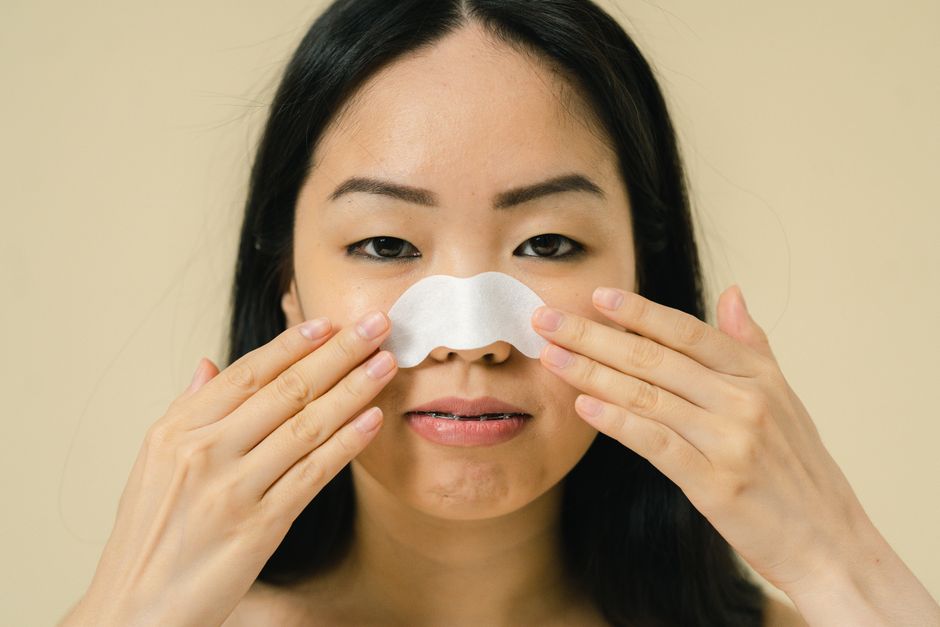
Vaseline is pure petroleum jelly, and it has a comedogenic rating of 0. This means it does not clog pores. For acne-prone skin, this is the key fact. While it feels heavy and greasy, the molecular structure of petroleum jelly is too large to fit into your pores, so it sits on top of the skin rather than blocking hair follicles.
What Does “Pore Clogging” Actually Mean?
Pore clogging happens when a substance blocks the opening of a hair follicle. When that opening is blocked, oil and dead skin cells build up behind it. That buildup is what forms a comedo — the medical term for a clogged pore. Blackheads and whiteheads are both types of comedones.
Cosmetic ingredients get rated on a scale from 0 to 5 for their likelihood to cause this. A rating of 0 means the ingredient has not been shown to clog pores in standard testing. Petroleum jelly scores 0. Ingredients like cocoa butter and coconut oil score higher, typically 4, meaning they are much more likely to block follicles.
The confusion happens because comedogenic ratings measure pore blockage, not whether a product feels greasy. A heavy cream can feel suffocating on the skin while being completely non-comedogenic. Vaseline is the clearest example of this.
Why Vaseline Feels Heavy But Does Not Block Pores
Petroleum jelly is an occlusive agent. It forms a thin, water-repellent film on the surface of the skin. This film prevents water loss from the skin, which is why dermatologists recommend it for dry skin and for protecting damaged skin barriers.
The molecules in petroleum jelly are large hydrocarbon chains. Pores are microscopic openings, and these large molecules simply cannot fit inside them. The substance stays on the surface. This is why it does not cause the same type of blockage that smaller-molecule oils can cause.
There is a second reason it is considered safe for acne-prone skin. Vaseline does not add oil to the skin. It does not change the composition of your sebum. It only creates a barrier on top. This matters because many pore-clogging ingredients work by mixing with your natural oil and making it thicker or stickier.
Is Vaseline Pore Clogging For Acne Prone Skin in Practice?
In clinical practice, dermatologists do not list petroleum jelly as a cause of acne breakouts. The comedogenic rating of 0 is based on standard rabbit ear testing and human patch testing. These tests have been used for decades to determine whether cosmetic ingredients cause follicle blockage.
That said, there is a distinction between what the ingredient does and how people use it. If you apply Vaseline over a layer of dirty skin, leftover makeup, or heavy sunscreen, you are trapping those substances against your pores. The Vaseline itself is not the problem. The trapped debris underneath can be.
Another practical issue is the “slugging” trend. This is the practice of applying a thick layer of Vaseline over the entire face before bed. For people with dry skin, this can be helpful. For people with active acne, it can make the skin feel hotter and more irritated, even if it does not cause new comedones. Heat and trapped sweat can worsen existing inflammatory acne, so the experience may differ from the science.




What the Research Says About Petroleum Jelly and Acne
Research on petroleum jelly has consistently shown it is non-comedogenic. Studies examining its effect on hair follicles have not demonstrated that it causes new blackheads or whiteheads. It is also widely used in dermatology as a standard control substance in patch testing because it is known to be inert and non-irritating.
Some research suggests that petroleum jelly may actually help acne-prone skin in a specific way. When the skin barrier is damaged — from harsh acne treatments like benzoyl peroxide or tretinoin — petroleum jelly can help repair it. A healthier barrier means less irritation and less inflammation. This is a secondary benefit, not a direct treatment for acne.
One caution: some people report breakouts after using Vaseline. This could be due to the “pilling” effect where the product mixes with dead skin cells and forms small balls on the skin. It could also be a reaction to a different ingredient in a product layered under or over the Vaseline. But the evidence does not support petroleum jelly itself as a common acne trigger.
How to Use Vaseline Safely If You Have Acne
If you want to use Vaseline while managing acne, the key is to start with clean skin. Wash your face with a gentle cleanser and pat it dry before applying any occlusive product. Applying Vaseline over makeup, sunscreen, or sweat increases the chance of trapping debris against the skin.
Use a thin layer rather than a thick one. A small pea-sized amount is enough to cover the entire face. The purpose is to seal in moisture, not to create a visible glossy layer. If you are using prescription acne treatments, apply those first and wait for them to dry completely before adding Vaseline on top.
Consider using it only on dry patches rather than the entire face. Many people with acne have combination skin — oily in the T-zone and dry on the cheeks or around the mouth. Spot-treating dry areas with Vaseline avoids any risk of trapping oil in the areas most prone to breakouts.
Vaseline vs. Other Occlusive Moisturizers
Vaseline is not the only occlusive ingredient available. Other options include dimethicone, mineral oil, and lanolin. Each has a different comedogenic profile and feel on the skin.
- Vaseline (petroleum jelly): Comedogenic rating 0. Heaviest feel. Most effective at preventing water loss.
- Dimethicone: Comedogenic rating 1. Lighter feel. Common in moisturizers and primers. Less occlusive than petroleum jelly.
- Mineral oil: Comedogenic rating 0-1. Lighter than petroleum jelly. Often found in cleansing oils and body lotions.
- Lanolin: Comedogenic rating 2-3. Derived from sheep wool. Can trigger allergies in some people.
If you dislike the heavy feel of Vaseline, a moisturizer containing dimethicone may be a more comfortable option. It provides some occlusion without the thick, sticky texture. However, it is less effective at preventing water loss, so it may not be sufficient for severely dry skin.
When Vaseline Is Not Right for Your Skin
There are situations where Vaseline is not the best choice, even though it does not clog pores. If you have active, inflamed acne with open pustules or cysts, the occlusive layer can trap heat and bacteria against the skin. This may slow healing and increase discomfort.
If you are prone to milia — small, white, keratin-filled cysts — you should be cautious. Milia are not the same as acne, but they can be triggered by heavy occlusives in some people. The evidence here is limited, but some dermatologists recommend avoiding heavy petroleum-based products if you develop milia frequently.
If you are using an active acne treatment that causes peeling, Vaseline can help. But if your skin is already oily and you have no dryness at all, there is no clear benefit to adding an occlusive layer. It will not treat acne. It will only prevent water loss.
Common Myths About Vaseline and Acne
A common myth is that any product that feels greasy will cause breakouts. This is not true. The comedogenic rating of an ingredient is based on its molecular structure and how it interacts with the follicle, not how it feels on the skin.
Another myth is that Vaseline “suffocates” the skin. Skin does not breathe in the way lungs do. It receives oxygen from the blood supply, not from the air. An occlusive layer does not deprive skin of oxygen. This myth persists because the heavy feel is associated with being unable to breathe.
There is also a belief that Vaseline draws out impurities. It does not. It is not a treatment for acne, blackheads, or clogged pores. It is purely a barrier and moisturizer. Expecting it to clear existing breakouts will lead to disappointment.
Frequently Asked Questions
Can Vaseline cause blackheads on acne-prone skin?
Vaseline has a comedogenic rating of 0, meaning it does not clog pores or cause blackheads. Blackheads after using Vaseline are more likely caused by debris trapped underneath the Vaseline layer.
Is it safe to put Vaseline on active acne breakouts?
It is safe in the sense that it will not cause new breakouts, but it will not treat existing ones either. On inflamed cysts or pustules, the occlusive layer may trap heat and slow healing, so it is best used only on dry areas.
Does Vaseline help repair skin damaged by acne treatments?
Yes. Petroleum jelly is highly effective at preventing water loss and supporting skin barrier repair. Applying it over prescription acne treatments can reduce peeling and irritation, but it does not enhance the acne-fighting effects of those treatments.
What is the difference between Vaseline and a non-comedogenic moisturizer?
Vaseline is a pure occlusive that prevents water loss but adds no hydration. A non-comedogenic moisturizer contains humectants and emollients that draw in water and soften the skin. Most people with acne benefit more from a lightweight non-comedogenic moisturizer than from Vaseline alone.
