
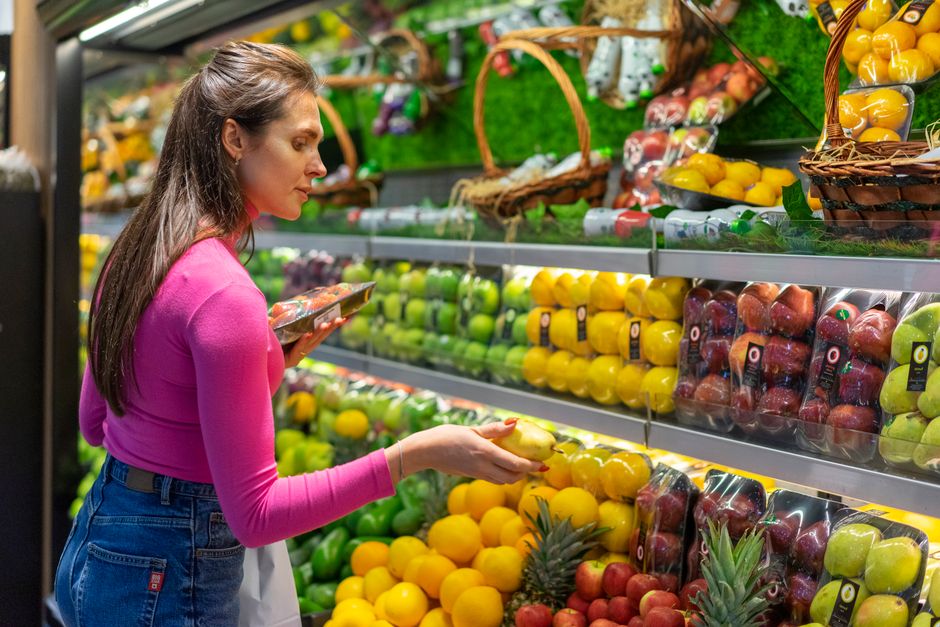
Pre-packaged food is any food that is processed, sealed, and ready for sale to consumers. This includes everything from a bag of frozen vegetables to a box of crackers, a can of soup, or a ready-to-eat meal. The question of whether it is safe to eat does not have a single yes or no answer. The safety of pre-packaged food depends entirely on what is inside the package, how it was processed, and how you store and prepare it. The simple truth is that some pre-packaged foods are excellent choices, while others are heavily processed and best eaten in moderation.
What Counts as Pre-Packaged Food?
Pre-packaged food is a broad category. It covers any food that comes in a container or wrapper designed for direct sale to the public. This includes foods that are minimally processed and foods that are heavily processed.
Minimally processed examples include bagged salad greens, pre-washed vegetables, and frozen fruit. These foods are cleaned and cut but otherwise unchanged. They retain most of their nutritional value.
Heavily processed examples include sugary cereals, instant noodles, packaged cookies, and deli meats. These products often contain added sugars, sodium, preservatives, and artificial ingredients. They are the products most people think of when they hear the term “processed food.”
The term itself does not tell you if a food is healthy or unhealthy. It only tells you that the food was prepared and packaged before it reached you.
Is It Safe to Eat Pre-Packaged Food?
Yes, pre-packaged food is generally safe to eat when it is purchased from a reputable source and properly stored. Commercial food production is heavily regulated in the United States. The Food and Drug Administration (FDA) and the U.S. Department of Agriculture (USDA) set strict standards for food safety, labeling, and processing.
These regulations cover everything from the temperature at which food is cooked to the materials used in packaging. They are designed to prevent contamination and to keep food safe from the factory to your table.
Safety issues arise when food is mishandled. A package that is damaged, swollen, or leaking may be contaminated. Food that is past its expiration date may not be safe. And pre-packaged food that is not stored at the correct temperature can spoil quickly. Following storage instructions on the label is the most important step you can take to ensure safety.
What Are the Real Health Risks of Processed Foods?
The health risks associated with pre-packaged food come from the ingredients used, not from the packaging itself. The main concerns are added sugar, sodium, unhealthy fats, and chemical additives.
Diets high in added sugar are linked to weight gain, type 2 diabetes, and heart disease. Many pre-packaged foods, even ones that do not taste sweet, contain significant amounts of added sugar. Check the nutrition label for “added sugars” to see how much is in a serving.
Sodium is another major concern. Processed foods are the largest source of sodium in the American diet. High sodium intake raises blood pressure, which increases the risk of heart attack and stroke. Canned soups, frozen dinners, and packaged snacks are often very high in sodium.
Unhealthy fats, specifically trans fats and excessive saturated fats, are also common in processed snacks and baked goods. Trans fats have been largely removed from the food supply due to regulation, but saturated fat remains a concern for heart health.
Chemical additives like preservatives, colorings, and flavor enhancers are generally recognized as safe by the FDA at the levels used in food. However, some research suggests that certain additives may have negative health effects when consumed in large amounts over many years. The evidence on this is not conclusive, and more research is needed.

How to Tell If a Pre-Packaged Food Is a Healthy Choice
The best way to evaluate a pre-packaged food is to read the ingredient list and the nutrition facts label. The ingredient list is listed in order of quantity. The first few ingredients make up the bulk of the product.
If sugar, refined flour, or oil appears in the first few ingredients, the product is likely heavily processed. If whole foods like vegetables, whole grains, or legumes appear first, the product is a better choice.
The nutrition facts label gives you the specific numbers. Pay attention to the serving size first. All the numbers on the label apply to one serving, not the whole package. Many packages contain two or three servings.
Look for these key values per serving:
- Added sugar: The American Heart Association recommends no more than 25 grams per day for women and 36 grams per day for men. Less is better.
- Sodium: The USDA recommends limiting sodium to less than 2,300 milligrams per day. A food with 140 milligrams or less per serving is considered low sodium.
- Saturated fat: The Dietary Guidelines for Americans recommend limiting saturated fat to less than 10 percent of your daily calories.
- Fiber: Aim for foods with at least 3 grams of fiber per serving. Fiber supports digestion and helps you feel full.
A simple rule is to choose foods with short ingredient lists and recognizable ingredients. If you cannot pronounce an ingredient, that does not automatically mean it is unsafe. But it does mean the food is more processed.
Are Frozen and Canned Foods as Nutritious as Fresh?
Frozen and canned fruits and vegetables are often as nutritious as fresh produce. In many cases, they are more nutritious. This is because they are picked at peak ripeness and processed immediately. Fresh produce may sit in storage and transport for days or weeks before you eat it. During that time, some nutrients degrade.
Frozen vegetables are typically blanched before freezing. This process inactivates enzymes that cause spoilage. It can also cause some loss of water-soluble vitamins like vitamin C. However, the loss is generally small, and frozen vegetables remain a healthy choice.
Canned vegetables are cooked at high temperatures during the canning process. This can reduce heat-sensitive vitamins. Canned foods also often have added salt. Look for “no salt added” or “low sodium” versions when possible.
Beans and legumes are an exception. Canned beans are convenient and retain most of their nutritional value. Rinsing them in water can reduce the sodium content significantly.
What Are the Hidden Risks in Packaging Materials?
Packaging materials themselves can be a source of concern. Some plastics contain chemicals that can leach into food. The most studied of these are bisphenol A (BPA) and phthalates.
BPA is used to make certain plastics and the lining of some metal cans. Research has linked BPA exposure to hormonal effects in animals. The FDA has stated that BPA is safe at the levels found in food packaging. However, the agency has also banned BPA in baby bottles and sippy cups due to concerns about infant exposure.
Many manufacturers have voluntarily removed BPA from their packaging. You will often see “BPA-free” labels on cans and plastic containers. These products typically use BPS or BPF instead, which are similar chemicals. Some studies suggest these alternatives may have similar effects. The evidence is not conclusive.
Phthalates are used to make plastics flexible. They can also be found in food packaging and processing equipment. Some research has linked phthalate exposure to reproductive health issues. The FDA regulates these chemicals and considers current levels safe.
The practical takeaway is that the risk from packaging is much smaller than the risk from a poor diet overall. Eating a diet rich in whole foods is more impactful for your health than worrying about trace amounts of packaging chemicals.
How to Store Pre-Packaged Food Safely
Proper storage is essential for the safety of pre-packaged food. Perishable items like dairy, meat, and prepared meals must be refrigerated or frozen. Leaving them at room temperature allows bacteria to multiply rapidly.
The USDA recommends refrigerating perishable foods within two hours. If the temperature is above 90°F, refrigerate them within one hour.
Check the “use by” or “best by” dates on packages. A “use by” date indicates the last day the product is guaranteed to be at peak quality. A “best by” date indicates quality, not safety. Food is often safe to eat after a “best by” date if it has been stored properly. However, you should not eat food past its “use by” date.
Once you open a package, follow the storage instructions on the label. Some foods need to be refrigerated after opening. Others can be stored in a cool, dry pantry. Reseal packages tightly to prevent moisture and air from degrading the food.
Never eat food from a can that is dented, rusted, or bulging. These signs can indicate contamination with botulism, a dangerous toxin. If a can hisses when opened or the food has an off odor, throw it away.
Is All Processed Food Bad?
No. The term “processed food” covers a wide range. The processing itself is not the problem. The problem is what is added during processing and what is removed.
Some processing improves food safety. Pasteurization kills harmful bacteria in milk and juice. Canning makes food shelf-stable without preservatives. Freezing preserves nutrients and prevents spoilage.
Some processing improves nutrition. Fortified cereals add vitamins and minerals that may be lacking in the diet. Iodized salt prevents iodine deficiency. Enriched flour adds back B vitamins that are lost during milling.
The issue is ultra-processed foods. These are industrial formulations made mostly from substances extracted from foods, such as oils, sugars, and starches. They often contain little or no whole food. Examples include soda, packaged snacks, instant noodles, and many frozen meals.
Research consistently shows that diets high in ultra-processed foods are linked to obesity, heart disease, and type 2 diabetes. The exact reason is not fully understood. It may be due to the nutrient profile, the additives, or the fact that these foods are easy to overeat.
The evidence is clear that a diet based on whole and minimally processed foods is best. But pre-packaged foods that are close to their natural state, like frozen vegetables and canned beans, are perfectly healthy. The goal is not to eliminate all pre-packaged food. The goal is to choose wisely.
Frequently Asked Questions
Does pre-packaged food mean it is unhealthy?
No. Pre-packaged food ranges from bagged vegetables to sugary snacks. The healthiness depends on the ingredients and processing level, not the packaging itself.
What is the difference between “use by” and “best by” dates?
A “use by” date is the last day the product is guaranteed safe at peak quality. A “best by” date indicates quality only, and the food is often safe to eat after this date if stored properly.
Are frozen vegetables as healthy as fresh vegetables?
Yes. Frozen vegetables are often picked and processed at peak ripeness, so they can retain as many nutrients as fresh. They are a healthy and convenient choice.
Is it safe to eat food from dented cans?
No. Dented, rusted, or bulging cans can indicate contamination, including the risk of botulism. Throw these cans away without opening them.
