
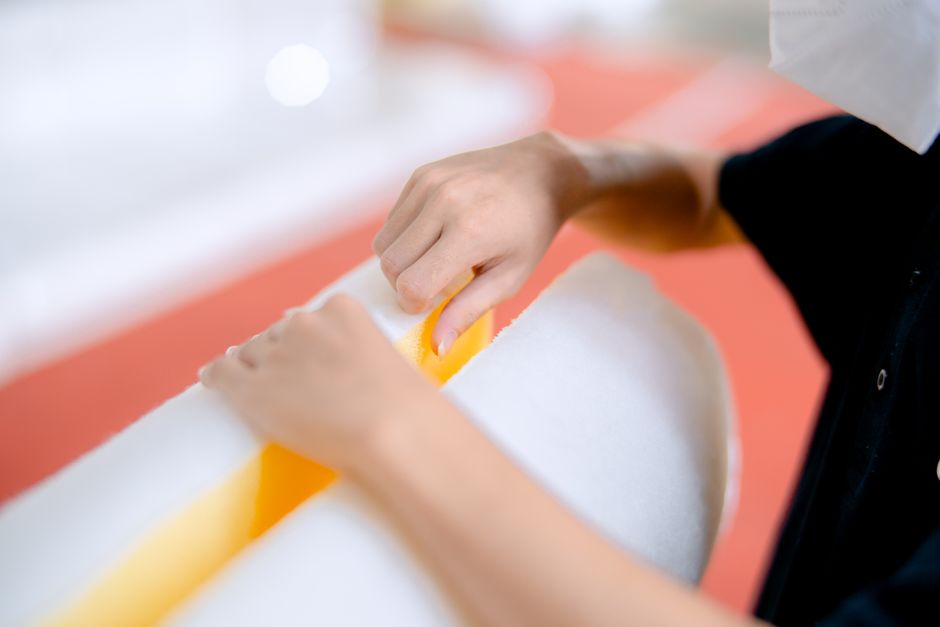
Polyurethane is everywhere. It is in your mattress, your couch, the soles of your shoes, and the sealant around your bathtub. It is also in food packaging and even some food-processing equipment. The short answer to whether polyurethane is safe depends entirely on which form it is in and how it is being used. Fully cured solid polyurethane is generally stable and considered safe for everyday use. Uncured liquid polyurethane and the fumes it releases during application are a different story. Food-grade polyurethane exists, but it must meet specific regulatory standards. Each form carries different risks, and understanding those differences matters more than a simple yes or no.
What Exactly Is Polyurethane?
Polyurethane is not one single material. It is a family of polymers created by reacting a diisocyanate with a polyol. By changing the chemical recipe, manufacturers can make it rigid like a foam board, flexible like a couch cushion, or tough like a protective coating. This versatility explains why it appears in so many products.
The chemical structure matters for safety. Fully reacted polyurethane is a stable, inert plastic. The concern arises when the chemical reaction is incomplete. That leaves unreacted isocyanates behind. These are the molecules that cause most of the health problems associated with polyurethane.
There is no single “polyurethane” to evaluate. You have to ask what form it is in and whether it has fully cured.
Are Polyurethane Fumes Dangerous?
Yes, polyurethane fumes can be dangerous, but the risk depends on the situation. The fumes come from the solvents and unreacted isocyanates in liquid polyurethane products. These are released while the product is wet and continue until it fully cures. Curing can take anywhere from a few hours to several days depending on the product and ventilation.
Short-term exposure to these fumes can cause eye, nose, and throat irritation. Headaches, dizziness, and nausea are common complaints. People with asthma or other respiratory conditions often react more severely. Some people develop a sensitivity to isocyanates after repeated exposure. Once sensitized, even tiny amounts can trigger an asthma attack.
The most hazardous scenario is applying polyurethane coatings or foams in a poorly ventilated space. Professional painters and foam installers face the highest risk because they do this daily. Studies of workers in these industries show increased rates of occupational asthma linked to isocyanate exposure.
For a homeowner painting a floor or applying a sealant, the risk is lower but not zero. The key is ventilation. Open windows, use fans, and wear an appropriate respirator. The standard paper dust masks do not filter out isocyanate vapors. You need a respirator with organic vapor cartridges rated for isocyanates.
Once the product has fully cured, the fumes stop. The cured material no longer releases significant amounts of isocyanates. That is why fully cured polyurethane coatings are considered safe for normal use.
Is Polyurethane Foam Safe to Sleep On?
Polyurethane foam is the standard filling in most mattresses, pillows, and upholstered furniture. The finished foam is stable and safe for most people. The health concerns about foam focus on two issues: off-gassing of residual chemicals and flame retardants.
New foam products release volatile organic compounds, or VOCs. The smell you notice when you unbox a new mattress is off-gassing. These compounds include residual isocyanates, solvents, and other byproducts of manufacturing. Levels are highest when the product is new and decrease significantly over the first few days to weeks.
Research on the health effects of these low-level emissions is limited. Some studies suggest that people with chemical sensitivities or asthma may experience symptoms. For the general population, the levels found in homes are generally below thresholds known to cause harm. That said, the evidence base is not as strong as anyone would like.
Flame retardants are a separate concern. Some polyurethane foams are treated with chemical flame retardants to meet flammability standards. Certain classes of these chemicals have been linked to endocrine disruption and developmental effects in animal studies. Regulations have changed over the years, and many manufacturers now use alternatives. But labeling is not always clear, and consumers cannot easily tell which foams contain which additives.
If you are concerned, look for CertiPUR-US certified foam. This certification means the foam has been tested for VOCs and does not contain certain flame retardants, heavy metals, and phthalates. It does not mean the foam is completely free of all chemicals. It means it meets specific safety thresholds.
Memory foam mattresses and polyurethane foam mattresses are safe for the vast majority of people. Pregnant women, infants, and people with chronic respiratory conditions may want to take extra precautions. Allow new foam products to off-gas in a well-ventilated room for several days before use.




Is Polyurethane Safe for Food Use?
Polyurethane is approved for food contact in specific applications. The Food and Drug Administration regulates materials that touch food in the United States. Food-grade polyurethane is used in commercial food processing equipment, conveyor belts, and food packaging. It is also used as a coating inside some food cans and as a sealant in food storage containers.
The critical distinction is between food-grade and general-purpose polyurethane. Food-grade polyurethane is manufactured under controlled conditions to minimize residual isocyanates and other impurities. It is formulated to be chemically stable when in contact with food. General-purpose polyurethane is not tested for food safety and may contain additives that are not approved for ingestion.
Even food-grade polyurethane has limits. It is generally safe for contact with dry foods, cold foods, and foods with low fat content. The FDA sets conditions for each approved use. Some polyurethane formulations are not approved for contact with hot, acidic, or fatty foods because these conditions can cause the material to break down and leach chemicals.
Home use of polyurethane in food contexts is simpler. Cured polyurethane sealants are safe for use on wooden cutting boards, countertops, and butcher blocks. The FDA approved certain polyurethane coatings for this purpose. The key word is cured. The coating must be allowed to fully cure for the manufacturer-recommended time, usually several days, before it comes into contact with food.
Do not use general-purpose polyurethane on surfaces that will contact food. Do not use spray foam insulation near food preparation areas. These products are not formulated for food safety and can release harmful chemicals.
How Long Does Polyurethane Take to Cure?
Curing time varies significantly by product type. Water-based polyurethane dries to the touch in a few hours and reaches full cure in about three weeks. Oil-based polyurethane takes longer, often requiring six to eight hours to dry and up to 30 days to fully cure. Spray foam can take anywhere from a few hours to several days depending on the formulation.
Drying and curing are not the same thing. A surface can feel dry while the chemical reaction is still ongoing. The material continues to release fumes until fully cured. This is why the manufacturer’s curing instructions matter more than how the surface feels.
Ventilation during the curing period is essential. Do not rush the process. Use fans to move air through the space and keep windows open. If you can smell the product, it is still off-gassing.
How Can You Reduce Exposure to Polyurethane?
Reducing exposure is straightforward if you understand where polyurethane exists in your home. For new furniture and mattresses, let them off-gas in a separate room or garage for several days before bringing them into your living space. This is especially important for bedrooms.
When applying polyurethane products, always work in a well-ventilated area. Wear a properly fitted respirator rated for organic vapors. Follow the manufacturer’s instructions for curing time before using the space. Do not sleep in a room where polyurethane was recently applied.
Choose water-based polyurethane over oil-based when possible. Water-based products have lower VOC emissions and cure faster. For foam products, look for CertiPUR-US certification. For food-contact surfaces, use only products explicitly labeled as food-safe.
For people with asthma, chemical sensitivities, or compromised immune systems, take extra precautions. Consider alternatives such as solid wood furniture, natural latex mattresses, or metal storage containers. These materials avoid polyurethane entirely.
What Are the Signs of Polyurethane Exposure?
Acute exposure symptoms include eye irritation, coughing, chest tightness, shortness of breath, headache, and dizziness. Skin contact with liquid polyurethane can cause dermatitis. These symptoms typically resolve once you leave the area and get fresh air.
Chronic exposure is a more serious concern. Occupational studies show that long-term exposure to isocyanates can cause occupational asthma and permanent lung damage. Sensitization can occur after a single high exposure or after many low-level exposures. Once sensitized, a person can react to extremely small amounts.
If you experience respiratory symptoms after using polyurethane products, stop using them and seek fresh air. If symptoms persist or are severe, seek medical attention. Tell your doctor about your exposure so they can test appropriately.
Frequently Asked Questions
Is polyurethane safe after it dries?
Yes, fully cured polyurethane is stable and generally safe for normal use. The health risks come from the fumes released while the product is wet and curing.
Can polyurethane fumes make you sick?
Yes, short-term exposure can cause headaches, dizziness, and respiratory irritation. Long-term exposure can cause occupational asthma, especially in workers who use these products daily.
Is polyurethane foam toxic in mattresses?
Polyurethane foam in mattresses is safe for most people after it has off-gassed for a few days. Some foam contains flame retardants that have raised health concerns, so look for certified foam products.
Is polyurethane safe for cutting boards?
Yes, food-grade polyurethane coatings are approved for use on wooden cutting boards and butcher blocks once fully cured. Do not use general-purpose polyurethane on food-contact surfaces.
