
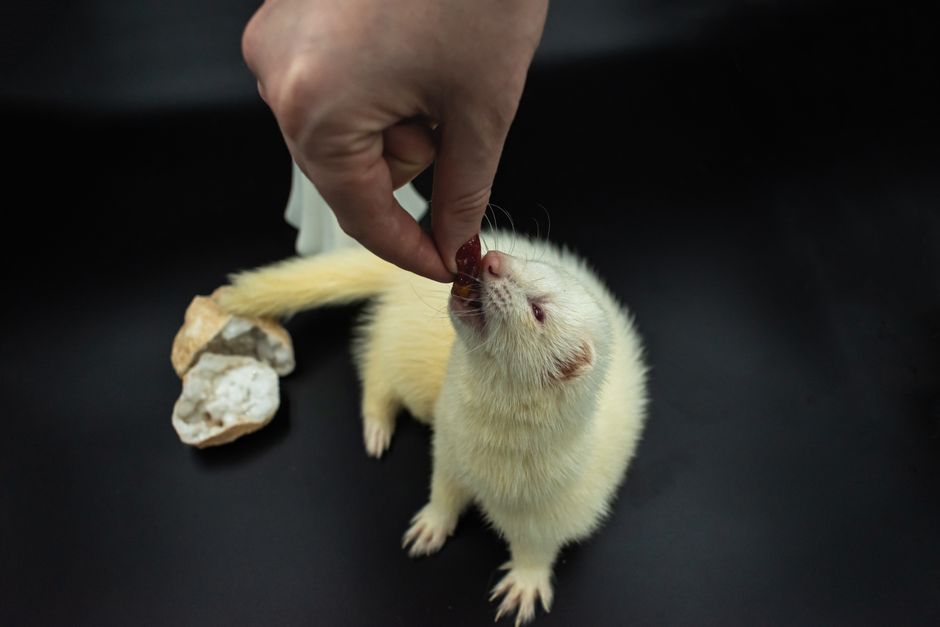
Ferrets are strict carnivores with a very short digestive tract. Their bodies are designed to process animal protein and fat quickly, not plant material. That means most human foods are either indigestible or actively dangerous for them. Safe options are limited to high-quality cooked meats and a few animal products. Toxic foods include fruits, vegetables, dairy, grains, and anything with sugar or artificial sweeteners. If you feed your ferret anything outside of a species-appropriate diet, you risk serious illness.
Why Ferret Digestion Is Different from Ours
Ferrets have no cecum and a very short colon. This means they cannot break down fiber or complex carbohydrates. Their digestive enzymes are specialized for animal protein and fat. Plant-based foods — even small amounts — can sit undigested in the gut and cause bacterial overgrowth, diarrhea, or blockages.
Ferrets also lack the enzyme lactase after weaning, so dairy products are not tolerated. Their pancreas produces little amylase, making starch digestion very poor. These physiological facts are not debated among veterinary nutritionists. Any diet recommendation for ferrets must respect these limitations.
Safe Human Foods for Ferrets
The safest human foods for ferrets are unseasoned, cooked animal proteins. These mimic the prey they would eat in the wild and provide the essential nutrients they need — especially taurine, which is found naturally in animal muscle and organ meats.
Cooked meat options: Chicken, turkey, beef, lamb, and pork — all must be cooked thoroughly with no salt, spices, oils, or sauces. Remove all skin and bones. Bones, especially cooked ones, can splinter and cause internal injury.
Cooked eggs: Whole scrambled or hard-boiled eggs (no butter, no milk, no seasoning) are a good occasional treat. Egg white contains avidin, a protein that can interfere with biotin absorption if fed raw in large amounts. Cooking destroys avidin. Limit eggs to once or twice a week.
Organ meats: Small amounts of cooked liver (chicken or beef) are nutrient-dense. Liver is high in vitamin A, so no more than a teaspoon-sized piece once a week for an adult ferret. Too much can cause vitamin A toxicity.
Meat-based baby food: Plain chicken or beef baby food with no added vegetables, starches, or onion/garlic powder is a safe emergency option. Check the ingredient list — only meat and water should appear.
Commercial ferret diets: These are formulated specifically for ferret nutrition and are safer than relying on human foods for the bulk of the diet. High-quality ferret kibble or raw/freeze-dried ferret food should be the mainstay. The human foods listed above are treats only — no more than 10% of total calories.
Toxic Human Foods to Avoid
Many foods that are harmless or even healthy for people can cause serious illness in ferrets. The list below covers the most dangerous categories.
- Fruits and vegetables: All fruits contain sugar (fructose), which ferrets cannot metabolize properly. Even small amounts can cause blood sugar spikes, diarrhea, and long-term insulinoma risk. Vegetables are high in fiber and indigestible plant matter. None are safe.
- Dairy products: Milk, cheese, yogurt, ice cream — all cause digestive upset because ferrets are lactose intolerant. Diarrhea, bloating, and dehydration can follow.
- Grains and carbohydrates: Bread, pasta, rice, cereal, potatoes, corn — these foods provide no nutritional value and can disrupt gut bacteria. High starch intake is linked to insulinoma, a common pancreatic tumor in ferrets.
- Chocolate and caffeine: Theobromine and caffeine are stimulants that ferrets cannot metabolize. Even small amounts can cause vomiting, hyperactivity, seizures, or heart arrhythmias.
- Onions, garlic, chives: These contain compounds that damage red blood cells in many mammals, including ferrets. Toxicity can lead to anemia.
- Grapes and raisins: Known to cause kidney failure in dogs; the same risk likely applies to ferrets. Avoid completely.
- Xylitol: This artificial sweetener, found in sugar-free gum, candy, and some peanut butters, can cause dangerous drops in blood sugar and liver failure. Even small amounts are toxic.
- Alcohol and raw bread dough: Alcohol poisoning is a real risk. Raw dough expands in the stomach and produces ethanol as it rises.
- Processed human foods: Anything with added salt, sugar, preservatives, or artificial flavors — including deli meats, sausages, fast food, and chips — is not safe.
This list is not exhaustive. If a human food is not pure animal protein with no additives, it should not be given to a ferret. When in doubt, do not feed it.


What Human Food Can Ferrets Eat Safe Vs Toxic – Practical Guidelines
Stick to the rule: If it didn’t come from an animal, it is probably not safe. Safe human foods include cooked unseasoned chicken, turkey, beef, lamb, and eggs. Toxic human foods include all fruits, vegetables, dairy, grains, and anything with added sugar or sweeteners. The safest diet is a complete commercial ferret food, not a homemade diet. Human foods should only be occasional treats.
What to Do If Your Ferret Eats Something Toxic
If your ferret ingests a known toxic food, contact a veterinarian immediately. Do not wait for symptoms to appear. Time matters. If possible, bring the packaging of the food to the vet.
Symptoms of poisoning may include vomiting, diarrhea, excessive drooling, lethargy, tremors, seizures, or collapse. Some toxins, like xylitol or chocolate, can cause rapid changes in blood sugar or heart rate. Inducing vomiting is not recommended at home unless specifically instructed by a veterinarian. Ferrets have a very narrow esophagus and can aspirate.
No clinical guidelines exist for treating every possible food toxicity in ferrets, because ferrets are not as commonly studied as dogs and cats. Your vet will likely provide supportive care — fluids, monitoring, and medications to manage symptoms. The prognosis depends on the toxin, the amount eaten, and how quickly treatment begins.
Common Myths About Ferret Diets
Myth: Ferrets can eat fruits and vegetables as treats.
False. Ferrets cannot digest plant matter, and the sugar in fruit is harmful. Even small pieces can cause diarrhea or contribute to long-term disease.
Myth: Ferrets need milk.
False. After weaning, ferrets lose the ability to digest lactose. Milk causes gastrointestinal upset. Water is the only fluid they need.
Myth: Commercial ferret food is unnecessary; table scraps are fine.
Table scraps are almost never balanced for ferret nutrition. Commercial ferret foods are formulated to meet specific nutrient requirements, including taurine and amino acids. A diet of random human food leads to malnutrition.
Myth: Raw meat is better than cooked.
The evidence is mixed. Raw meat can carry pathogens like Salmonella and E. coli, which can infect both ferrets and humans. Some owners feed raw under veterinary guidance, but there is no clear scientific consensus that raw is superior. Cooked meat is safer and still provides adequate nutrition when combined with a balanced commercial diet.
Frequently Asked Questions
Can ferrets eat peanut butter?
No. Peanut butter is high in fat and often contains xylitol or added sugar, both of which are dangerous. It can also be a choking hazard because it is sticky.
Can ferrets eat cooked rice?
No. Rice is a starch that ferrets cannot digest. It provides no nutritional benefit and can cause bloating or diarrhea.
Can ferrets eat raw chicken?
It is possible but not recommended without veterinary guidance. Raw chicken can contain Salmonella and Campylobacter, which can make ferrets sick and also pose a risk to people handling the food or cleaning the cage.
Can ferrets eat cat food?
Only high-quality, meat-based cat food as a temporary emergency option. Ferrets have higher protein and fat requirements than cats. Long-term use of cat food can lead to nutritional deficiencies.
