
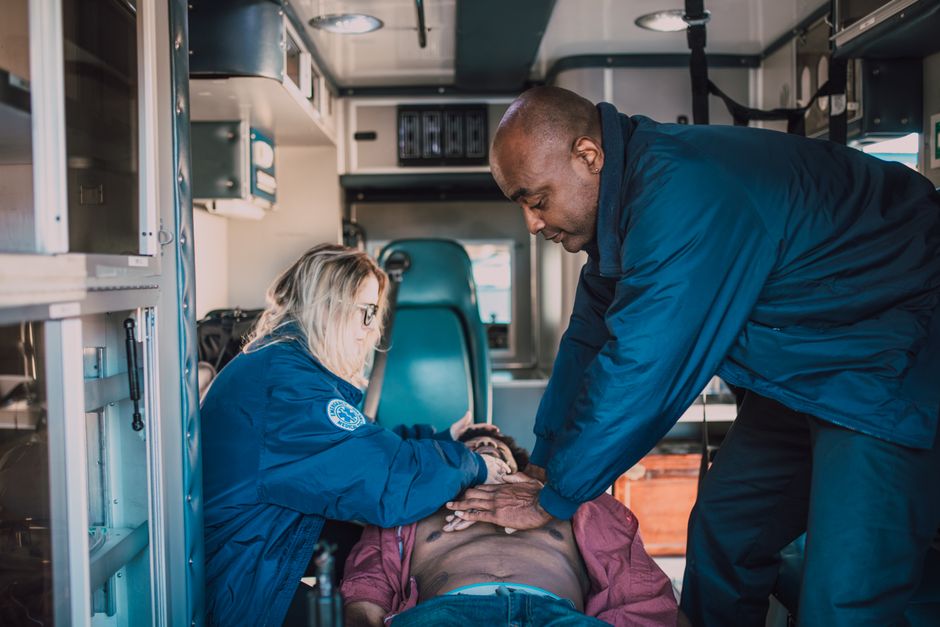
Cardiac arrest is not painful. The moment the heart stops pumping effectively, blood flow to the brain falls to zero and consciousness is lost within seconds. A person in cardiac arrest cannot feel pain because the brain is no longer receiving oxygen or processing signals. Whatever pain or discomfort may have come before — chest pressure, shortness of breath, a racing heart — ends when consciousness does.
That is the single most important thing to understand about this question. The fear of pain during cardiac arrest is understandable, but the physiology does not support it. What happens in the minutes and hours after cardiac arrest is a different story, and that is where pain becomes very real.
What Actually Happens During Cardiac Arrest?
Cardiac arrest means the heart stops beating effectively. Not a heart attack — those are different events. A heart attack is a blockage in a coronary artery that damages heart muscle. Cardiac arrest is an electrical or mechanical failure that stops the heart from pumping blood altogether.
When the heart stops, blood pressure drops to zero almost instantly. The brain is the most oxygen-sensitive organ in the body. Without blood flow, brain cells begin losing function within seconds. Consciousness is typically lost within 10 to 20 seconds. Clinical death follows within minutes if circulation is not restored.
This is why pain is not part of the experience. Pain requires a functioning brain to process it. During cardiac arrest, the brain is not functioning in any meaningful sense. There is no “person” present to feel anything.
Some people describe a brief moment of lightheadedness or a feeling that something is wrong right before they collapse. Others have no warning at all. Cardiac arrest often strikes without any preceding symptoms. That unpredictability is part of what makes it so dangerous.
Is Cardiac Arrest Painful? The Focus Keyphrase Explained
The question “Is cardiac arrest painful” comes up often, and the answer is clear: no, the arrest itself is not painful. Unconsciousness happens too fast.
What confuses people is the overlap between heart attack and cardiac arrest. A heart attack can be very painful. It often involves chest pain, pressure, or squeezing that radiates to the arm, jaw, or back. Some heart attacks cause shortness of breath, nausea, or a cold sweat. Women and people with diabetes may have subtler symptoms.
A heart attack can trigger cardiac arrest, but they are not the same event. If someone has a painful heart attack and then goes into cardiac arrest, the pain stops when they lose consciousness. The arrest itself adds no pain on top of that.
There is also the question of what bystanders see. Someone in cardiac arrest may gasp, twitch, or make jerking movements. These are not signs of pain. They are reflex movements from the brainstem as it loses oxygen. They can look distressing to watch, but the person is not experiencing them.
Can You Feel Anything Before You Go Unconscious?
Some people do report a brief warning. They might feel dizzy, weak, or notice their vision narrowing. A few describe a sense that something is very wrong. These sensations last only seconds.
Others have no warning at all. They simply collapse. This is more common than most people realize. Cardiac arrest often gives no time for the person to react or call for help.
For those who survive and are resuscitated, memories of the event itself are usually absent. Some report vague recollections from the period of resuscitation, but these are unreliable and vary widely. Research on near-death experiences during cardiac arrest has found that a minority of survivors report some form of awareness, but the findings are inconsistent and the mechanisms are not well understood. This is an area of active study, not settled science.
What is consistent is this: the arrest itself does not appear to involve pain. The brain is not in a state to produce that experience.





What About After Cardiac Arrest — Is Recovery Painful?
This is where pain becomes a genuine concern. Survivors of cardiac arrest often face significant physical and cognitive challenges during recovery.
Common issues after resuscitation include:
- Chest soreness from CPR compressions, which can crack ribs or cause bruising
- Pain from defibrillation, which can cause muscle contractions and skin burns
- Breathing tube discomfort if mechanical ventilation was needed
- Fatigue, weakness, and difficulty with daily tasks
- Memory problems, confusion, or difficulty concentrating
- Emotional distress, anxiety, or depression
The severity varies widely. Some people recover relatively quickly. Others face months of rehabilitation. The degree of brain injury during the period without oxygen is the biggest factor in long-term outcomes.
Post-cardiac arrest syndrome is a recognized condition. It involves brain injury, heart dysfunction, systemic inflammation, and the underlying cause of the arrest. This syndrome can produce a range of symptoms that persist well beyond the initial event.
Pain management during recovery is a legitimate medical concern. Survivors should discuss any pain or discomfort with their care team. There is no reason to push through pain silently.
Why the Confusion Between Heart Attack and Cardiac Arrest?
These two terms get used interchangeably in everyday conversation. They should not be.
| Feature | Heart Attack | Cardiac Arrest |
|---|---|---|
| What happens | Blocked blood flow to heart muscle | Heart stops pumping effectively |
| Consciousness | Usually maintained | Lost within seconds |
| Pain | Often severe chest pain | None during the event |
| Warning signs | Often present | Often absent |
| Immediate risk | Heart muscle damage | Death within minutes without CPR |
A heart attack can lead to cardiac arrest, but most heart attacks do not cause cardiac arrest. And cardiac arrest can happen without any heart attack at all — from an electrical problem, a structural issue, or an unknown cause.
This distinction matters for understanding pain. Heart attacks hurt. Cardiac arrest does not. If someone is having chest pain and then collapses, the pain was from the heart attack, not the arrest.
What Should You Do If Someone Collapses?
Act immediately. Every minute without CPR reduces survival chances. The brain can only go a few minutes without oxygen before permanent damage begins.
If someone collapses and is unresponsive and not breathing normally:
- Call 911 or have someone else call
- Start chest compressions immediately — push hard and fast in the center of the chest
- Use an AED if one is available — these devices are designed for public use and will guide you
- Continue CPR until emergency services arrive or the person shows signs of life
You do not need to worry about causing pain. The person is unconscious and cannot feel anything. Rib fractures from CPR are common and are not a reason to stop. Effective compressions save lives.
If you are unsure whether someone needs CPR, start anyway. The risk of doing nothing is far greater than the risk of doing something unnecessary.
Does Cardiac Arrest Always Cause Brain Damage?
Not always, but the risk is high. The brain needs a constant supply of oxygenated blood. When circulation stops, brain cells begin to die within minutes.
The outcome depends on several factors:
- How quickly CPR was started
- How quickly defibrillation was performed, if the rhythm was shockable
- How long the brain went without adequate blood flow
- The underlying cause of the arrest
- The person’s overall health before the event
Some people survive with full neurological function. Others have mild to severe cognitive impairments. Some never regain consciousness. There is no way to predict the outcome with certainty at the time of the event.
Therapeutic hypothermia — cooling the body after resuscitation — is used in many hospitals to protect the brain. The evidence for its benefit has been debated in recent years, and practice varies. Some studies suggest modest benefit; others have not confirmed a clear advantage. This is an area where clinical practice continues to evolve.
What Causes Cardiac Arrest?
The most common cause is an abnormal heart rhythm called ventricular fibrillation. This is an electrical chaos in the heart that stops effective pumping. It often occurs in people with underlying heart disease, but it can happen in people with no known heart problems.
Other causes include:
- Severe heart attack
- Cardiomyopathy (heart muscle disease)
- Electrolyte imbalances
- Drug overdose or poisoning
- Drowning, choking, or electrocution
- Congenital heart conditions
- Blunt trauma to the chest
In some cases, no cause is ever identified. This is called idiopathic cardiac arrest. It is more common in younger people.
Knowing the cause matters for prevention. If a specific rhythm problem is found, an implantable cardioverter-defibrillator may be recommended. If a blockage is found, stents or bypass surgery may help. If the cause remains unknown, the approach is less clear.
Can Cardiac Arrest Be Prevented?
Sometimes. Not always. Many cardiac arrests happen in people with no prior symptoms. That said, managing known risk factors can reduce the likelihood.
Established risk factors for cardiac arrest include:
- Coronary artery disease
- Previous heart attack
- Heart failure
- Family history of sudden cardiac death
- Smoking
- High blood pressure
- Diabetes
- Obesity
- Sedentary lifestyle
Controlling these factors does not guarantee prevention, but it lowers risk. Regular checkups, managing chronic conditions, and staying physically active all contribute.
For people at high risk, an implantable defibrillator can be life-saving. These devices monitor the heart rhythm and deliver a shock if a dangerous rhythm occurs. They do not prevent the rhythm from happening, but they can stop it before it becomes fatal.
What Does Survival Depend On?
Survival from cardiac arrest depends mostly on things that happen in the first few minutes. Bystander CPR and rapid defibrillation are the strongest predictors of survival.
Survival rates vary widely depending on where the arrest happens. In hospitals, survival is higher because help is immediately available. Outside hospitals, survival is lower, though rates have improved in communities with strong bystander response programs.
The time from collapse to CPR matters enormously. Every minute without compressions reduces the chance of survival. This is why public education about CPR and widespread availability of AEDs are so important.
For survivors, the recovery journey can be long. Physical rehabilitation, cognitive support, and emotional care are often needed. The experience of surviving cardiac arrest can be traumatic, and many survivors benefit from mental health support.
Frequently Asked Questions
Is cardiac arrest painful?
No. Cardiac arrest is not painful because consciousness is lost within seconds when blood flow to the brain stops. The person cannot feel anything during the event itself.
Can you feel a cardiac arrest coming?
Some people experience brief warning signs like dizziness or a sense of doom just before collapsing, but many have no warning at all. Cardiac arrest often strikes without any preceding symptoms.
What does cardiac arrest feel like?
Nothing, once it begins. The brain loses consciousness too quickly to process any sensation. Any pain or discomfort someone felt before the arrest ends when they become unconscious.
Is CPR painful for the person receiving it?
No. CPR is performed on people who are unconscious and in cardiac arrest. They cannot feel the compressions, though rib fractures and soreness are common afterward if they survive.
