
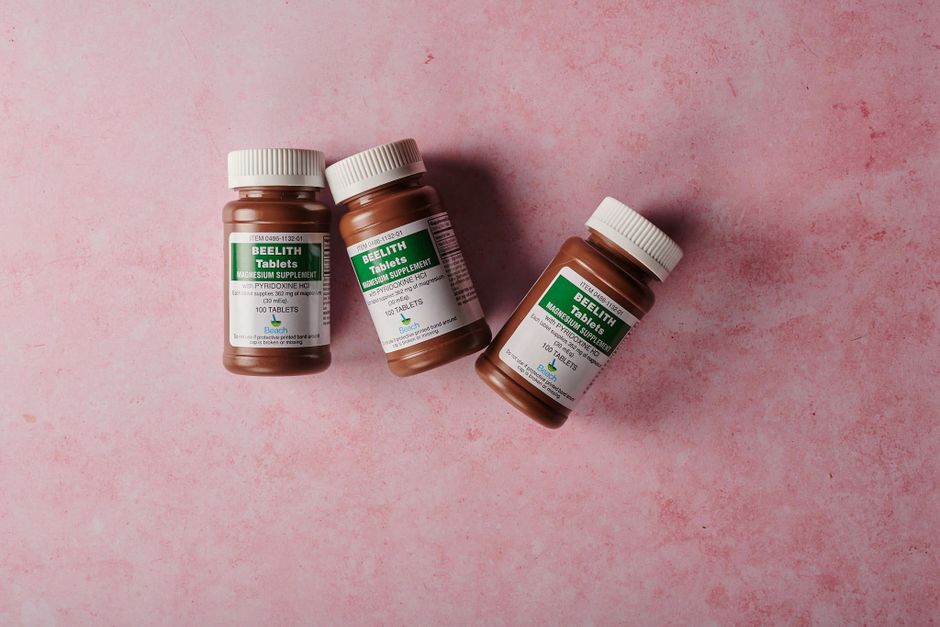
Magnesium is generally safe during pregnancy when taken at recommended doses, and many pregnant people do not get enough of it from food alone. It plays a real role in muscle function, nerve signaling, and blood pressure regulation. Most prenatal vitamins include magnesium, but the amount varies widely. The key is knowing how much you need, what forms are considered safe, and when higher doses are used for specific medical reasons.
Why Magnesium Matters During Pregnancy
Magnesium is a mineral that supports hundreds of chemical reactions in the body. During pregnancy, your blood volume increases, and your kidneys filter more fluid. That means magnesium levels can drop faster than usual.
Research consistently shows that magnesium helps with muscle relaxation. That matters because the uterus is a muscle. Low magnesium has been linked to leg cramps, though the evidence for magnesium supplements fixing cramps is mixed. Some studies show benefit, others do not.
Magnesium also plays a role in blood pressure regulation. This is why magnesium sulfate — a specific medical form — is given intravenously in hospitals to prevent seizures in severe preeclampsia. That is a very different situation from taking an oral supplement, but it shows the mineral is taken seriously in obstetric care.
How Much Magnesium Do You Need in Pregnancy?
The recommended daily allowance for magnesium during pregnancy is 350 to 360 milligrams per day for most adults. That figure comes from the National Academies of Sciences, Engineering, and Medicine, which sets the dietary reference intakes used across the United States.
For comparison, non-pregnant women are recommended to get about 310 to 320 milligrams daily. So pregnancy raises the target by roughly 30 to 40 milligrams.
Food sources include almonds, spinach, black beans, pumpkin seeds, and whole grains. A cup of cooked spinach has about 157 milligrams. A quarter cup of pumpkin seeds has roughly 190 milligrams. It is possible to hit the target with food alone, but many people do not.
One large survey found that a significant portion of pregnant women in the U.S. consume less magnesium than recommended. That does not mean every low intake causes problems. It does mean the mineral deserves attention.
Is Magnesium Safe During Pregnancy in Supplement Form?
Oral magnesium supplements are generally recognized as safe during pregnancy when taken at appropriate doses. Most prenatal vitamins contain between 25 and 100 milligrams of magnesium. That is well below the upper limit.
The tolerable upper intake level for supplemental magnesium is 350 milligrams per day for pregnant women. That limit applies only to supplements and fortified foods — not to magnesium naturally present in food. Going above that level from supplements can cause diarrhea, nausea, and abdominal cramping.
Do not confuse this with magnesium from food. You can eat more than 350 milligrams from diet alone without concern. The body regulates food-based magnesium differently and does not absorb it all at once.
One important note: magnesium supplements can interfere with certain medications. They can reduce absorption of some antibiotics and thyroid medications. If you take prescription medication, ask your pharmacist about timing or interactions.





When Doctors Recommend Magnesium During Pregnancy
There are specific situations where magnesium is recommended beyond general nutrition.
Leg cramps are the most common reason pregnant women ask about magnesium. Some clinicians recommend magnesium glycinate or magnesium citrate for nighttime leg cramps. The evidence is mixed. A few small trials show modest benefit, while others show no difference from placebo. It is reasonable to try, but do not expect guaranteed relief.
Constipation is another reason. Magnesium citrate draws water into the intestines and can soften stool. It is often used as a gentle laxative. Pregnant women commonly experience constipation due to hormonal changes and iron supplements. A low-dose magnesium citrate supplement may help, but it can also cause loose stools if the dose is too high.
Blood pressure concerns are managed differently. Oral magnesium is not a treatment for high blood pressure in pregnancy. If you have gestational hypertension or preeclampsia, your doctor will manage that with specific medications and monitoring. Do not attempt to treat blood pressure with magnesium supplements on your own.
Preterm labor is sometimes treated with intravenous magnesium sulfate in a hospital setting. This is not something you do at home. It is a medical intervention with specific protocols and monitoring.
Which Form of Magnesium Is Best for Pregnancy?
Magnesium comes in several forms, and they are not interchangeable.
Magnesium glycinate is bound to the amino acid glycine. It tends to be gentle on the stomach and is well absorbed. Many clinicians prefer it for general supplementation.
Magnesium citrate is bound to citric acid. It has a mild laxative effect. It works well for constipation but can cause loose stools at higher doses.
Magnesium oxide is common in cheap supplements but poorly absorbed. It has the lowest bioavailability of the common forms. It may still help with constipation because it pulls water into the gut, but it does not raise blood magnesium levels effectively.
Magnesium chloride is reasonably well absorbed and is sometimes used in topical products. Oral forms are fine, though the taste can be unpleasant.
Magnesium sulfate is the form used intravenously in hospitals. Oral magnesium sulfate is used as a laxative in some products but is not recommended for general supplementation during pregnancy.
When choosing a supplement, look at the label for the elemental magnesium content, not just the total compound weight. A product might list “magnesium glycinate 500 mg” but only contain 50 to 100 milligrams of actual elemental magnesium. The label should state this clearly.
Risks and Side Effects of Magnesium in Pregnancy
Side effects from oral magnesium are usually mild and digestive in nature. The most common are diarrhea, nausea, and stomach cramping. These are more likely at higher doses.
Serious toxicity from oral magnesium is rare in healthy people because the kidneys excrete excess amounts. However, people with kidney disease cannot clear magnesium efficiently. If you have chronic kidney disease, do not take magnesium supplements without your doctor’s approval.
Very high blood magnesium levels can cause low blood pressure, confusion, muscle weakness, and irregular heartbeat. This is extremely unlikely from oral supplements at recommended doses. It is a real concern with intravenous magnesium sulfate, which is why hospital protocols include close monitoring.
Magnesium can also lower blood pressure slightly. If you already have low blood pressure, talk to your doctor before supplementing.
Can You Get Too Much Magnesium in Pregnancy?
Yes, but only from supplements. The upper limit of 350 milligrams per day from supplements applies to pregnancy. Food sources do not count toward this limit.
Exceeding 350 milligrams from supplements regularly can cause persistent diarrhea. That can lead to dehydration and electrolyte imbalances, which are not good for you or your baby.
There is no evidence that moderate magnesium supplementation harms fetal development. The mineral is essential for fetal bone formation and enzyme function. The concern is entirely about maternal side effects at excessive doses.
What About Magnesium and Morning Sickness?
Some people ask whether magnesium helps with nausea in early pregnancy. There is no strong clinical evidence that magnesium supplements reduce morning sickness. The nausea of early pregnancy is driven by hormonal changes, particularly hCG and estrogen. Magnesium does not directly address those pathways.
However, if you are vomiting frequently, you may lose electrolytes including magnesium. Replacing them through food or a supplement may help you feel better overall. But do not expect magnesium to stop the nausea itself.
Should You Take Magnesium If You Are Already Taking a Prenatal Vitamin?
Check your prenatal vitamin label first. Many contain magnesium, but the amount varies from 25 to 100 milligrams. If your prenatal already provides a meaningful amount, adding more may push you toward the upper limit.
If your prenatal vitamin does not list magnesium, you may still be getting enough from food. Track your intake for a few days using a food diary or nutrition app. If you consistently fall short of 350 milligrams, a supplement of 100 to 200 milligrams is reasonable.
The safest approach is to mention it to your obstetrician or midwife at your next visit. They can check your diet and decide whether supplementation makes sense for your situation.
Magnesium and Breastfeeding
Magnesium needs remain elevated while breastfeeding. The recommended intake is 310 to 320 milligrams per day for lactating women. That is slightly lower than the pregnancy target.
Magnesium passes into breast milk in small amounts. This is not a concern. In fact, it helps ensure your baby gets adequate magnesium from your milk. Your body prioritizes milk composition, so your own stores may be drawn down if your intake is low.
Continue eating magnesium-rich foods while nursing. If you supplemented during pregnancy, you can often continue at the same dose, but confirm with your doctor.
Frequently Asked Questions
Can I take magnesium while pregnant?
Yes, oral magnesium is generally safe during pregnancy at recommended doses up to 350 milligrams per day from supplements. Check your prenatal vitamin first to see how much it already contains.
What is the safe dose of magnesium during pregnancy?
The recommended daily intake is 350 to 360 milligrams total from food and supplements combined. The upper limit from supplements alone is 350 milligrams per day.
Can magnesium cause a miscarriage?
No evidence links magnesium supplements at recommended doses to miscarriage. Magnesium is an essential mineral, and deficiency is far more common than toxicity in pregnancy.
Is magnesium glycinate safe in pregnancy?
Magnesium glycinate is generally considered safe during pregnancy and is often preferred because it is gentle on the stomach. Stay within the 350 milligram supplemental upper limit.
