
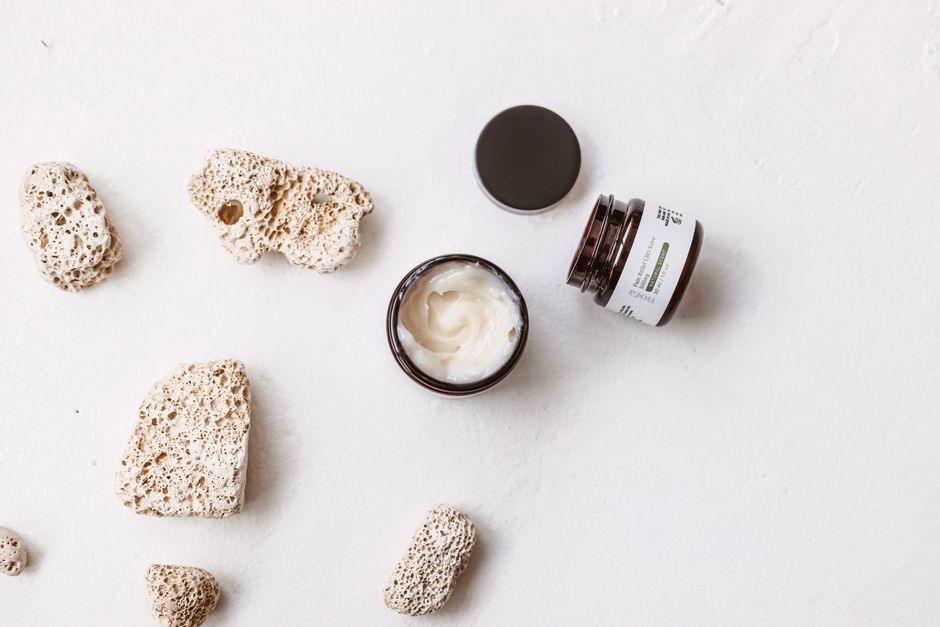
Hemorrhoids are a common and uncomfortable part of pregnancy, and finding a safe treatment is a top concern for many expectant mothers. The short answer is that certain over-the-counter hemorrhoid creams containing specific active ingredients, like topical protectants and local anesthetics, are generally considered safe for use during pregnancy. However, you must always check the label and consult your obstetrician or midwife before starting any new medication, even an over-the-counter cream.
Why Do Hemorrhoids Happen During Pregnancy?
Hemorrhoids are swollen veins in the lower rectum and anus. They are incredibly common during pregnancy, especially in the third trimester. The main reason is the growing uterus, which puts direct pressure on the pelvic veins and the inferior vena cava, a large vein that carries blood from the lower body back to the heart. This pressure slows blood return, causing the veins below the uterus to swell.
Hormonal changes also play a role. Progesterone, a key pregnancy hormone, relaxes the walls of your blood vessels. This relaxation, combined with increased blood volume, makes the veins more prone to swelling. Constipation, another frequent pregnancy complaint, adds further strain when you are on the toilet, making hemorrhoids worse or causing them to appear in the first place.
Which Active Ingredients Are Considered Safe?
When you look at a hemorrhoid cream label, you will see a list of active ingredients. For pregnancy, the safest choices are typically topical protectants and local anesthetics. These ingredients work on the surface of the skin and are minimally absorbed into your bloodstream.
Topical protectants like mineral oil, cocoa butter, and zinc oxide create a physical barrier on the skin. They help soothe irritation and protect the area from further friction, which is especially helpful when wiping. These are generally considered safe because they do not enter the body in significant amounts.
Local anesthetics such as pramoxine are also commonly found in hemorrhoid creams. Pramoxine works by temporarily numbing the nerve endings in the skin, providing quick relief from pain and itching. Like protectants, its absorption is minimal, making it a preferred choice for pregnancy over other anesthetics.
Avoid products that contain phenylephrine, a vasoconstrictor that shrinks blood vessels. While it is effective for reducing swelling, its safety during pregnancy is less clear. There is a theoretical concern that it could affect blood flow, so most healthcare providers recommend avoiding it until more data is available. Always read the full ingredient list and choose a product that only contains the safer, surface-level ingredients.
What About Hydrocortisone Cream?
Hydrocortisone is a topical steroid that reduces inflammation and itching. It is a very effective treatment for hemorrhoids. However, its use during pregnancy requires more caution than protectants or pramoxine.
Low-strength hydrocortisone (0.5% or 1%) is often considered acceptable for short-term use on small areas of the body, but you must get explicit approval from your doctor first. The concern is that stronger steroids or prolonged use could be absorbed into the bloodstream and potentially affect the baby. Because of this, hydrocortisone is usually not the first-line recommendation for pregnant women. If your hemorrhoids are severe, your doctor might recommend a specific product or treatment plan that is tailored to your situation. Do not self-treat with hydrocortisone without that conversation.




Safe Ingredients vs. Ingredients to Avoid
Knowing what to look for is half the battle. The other half is knowing what to steer clear of. Here is a simple breakdown to help you read labels with confidence.
| Ingredient Type | Examples | Pregnancy Status |
|---|---|---|
| Protectants | Zinc oxide, mineral oil, cocoa butter | Generally considered safe |
| Local Anesthetics | Pramoxine | Generally considered safe |
| Corticosteroids | Hydrocortisone | Use only with doctor’s approval |
| Vasoconstrictors | Phenylephrine | Usually avoided during pregnancy |
This table is a general guide. Always confirm with your healthcare provider. They know your specific medical history and can give you the most personalized advice. Remember that “natural” or “herbal” creams are not automatically safe. Some herbal ingredients have not been studied in pregnancy, and their effects on a developing baby are unknown.
Non-Medical Ways to Find Relief First
Before you reach for a cream, consider non-medical strategies. These are completely safe and often very effective. They address the root cause of the problem, which is pressure and constipation.
Soak in a warm bath. A sitz bath, where you sit in a few inches of warm water, can soothe the area and reduce swelling. Do this for 10 to 15 minutes a few times a day. Make sure the water is warm, not hot.
Prevent constipation. This is the most important step. Drink plenty of water throughout the day. Increase your fiber intake with foods like fruits, vegetables, and whole grains. If you need a little extra help, ask your doctor about a stool softener like docusate sodium, which is generally considered safe during pregnancy.
Avoid straining. Do not sit on the toilet for long periods. Go when you feel the urge, and do not push. Straining increases pressure on the veins and makes hemorrhoids worse. Use witch hazel pads, which are alcohol-free, to gently clean the area instead of dry toilet paper, which can be abrasive.
When Should You Call Your Doctor?
Hemorrhoids are painful, but they are rarely a medical emergency. However, you should contact your healthcare provider if you notice certain warning signs. Bleeding is the most important one to watch for. While hemorrhoids can bleed, bleeding during pregnancy should always be evaluated by a professional to rule out other causes.
Also, call your doctor if the pain is severe, if the hemorrhoid feels hard and tender, or if you notice a change in your bowel habits. These symptoms could indicate a thrombosed hemorrhoid, which is a blood clot inside the hemorrhoid, or another condition entirely. Your doctor can examine you and determine the best course of action. Do not try to push a hemorrhoid back inside yourself. If it is prolapsed, or sticking out, let a medical professional handle it.
What to Expect After Delivery
The good news is that for most women, pregnancy-related hemorrhoids improve significantly after childbirth. The pressure from the uterus is gone, and your hormone levels return to normal. This allows the swollen veins to shrink and heal on their own.
It may take a few weeks or even a couple of months for the area to feel completely normal. Continue to drink fluids, eat high-fiber foods, and avoid constipation during this time. If your hemorrhoids do not improve after a few months, or if they get worse, talk to your doctor about other treatment options. There are procedures available that are safe for non-pregnant women, but these are rarely needed for pregnancy-related hemorrhoids.
Frequently Asked Questions
Can I use Preparation H while pregnant?
Some Preparation H products are safer than others, depending on their active ingredients. You should check the label for phenylephrine and avoid that specific product, but a product with only pramoxine or a protectant like zinc oxide may be acceptable after consulting your doctor.
Is witch hazel safe to use for hemorrhoids during pregnancy?
Yes, alcohol-free witch hazel pads are generally considered safe for topical use during pregnancy. They can help soothe itching and discomfort without introducing significant amounts of medication into your system.
Can hemorrhoids harm my baby?
No, hemorrhoids themselves will not harm your baby. They are a painful and uncomfortable condition for you, but they do not pose a direct risk to your pregnancy or your developing child.
How long do hemorrhoids last after giving birth?
Most women notice significant improvement within a few weeks after delivery. Complete healing can take a couple of months as your body recovers and your hormone levels stabilize.
