
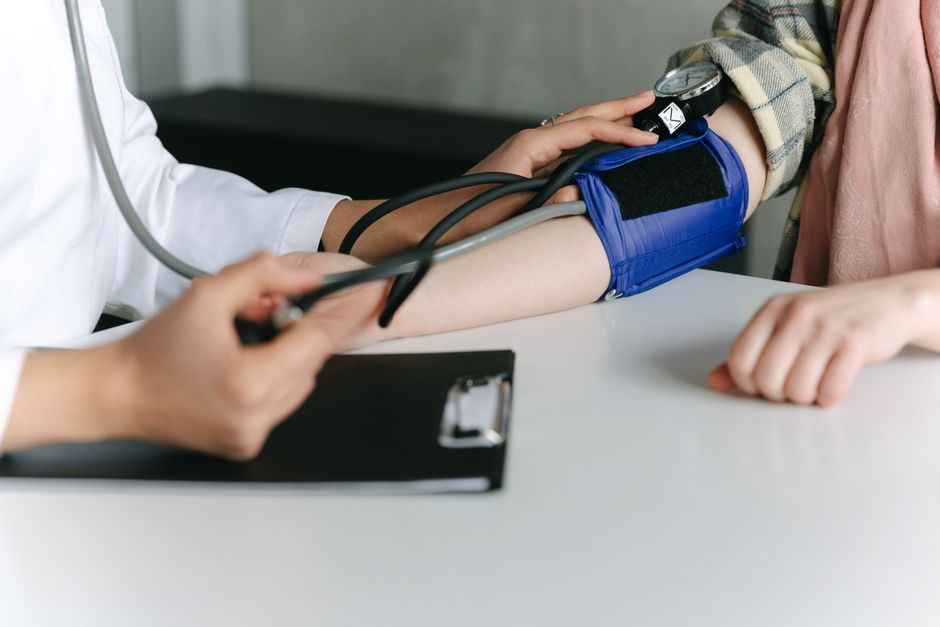
Yes. A blood pressure reading of 188/122 mm Hg is a medical emergency. It falls into what clinicians call a hypertensive crisis, and it needs immediate evaluation — not a wait-and-see approach, not a recheck next week. Call 911 or go to the nearest emergency department now, especially if you have chest pain, trouble breathing, weakness, confusion, or a severe headache.
One important detail: a single high number is not always the whole story. How you feel right now matters as much as the reading itself, and that distinction shapes what happens next.
What Makes 188/122 an Emergency?
Blood pressure is measured in millimeters of mercury, written as mm Hg. A normal reading is generally below 120/80. A hypertensive crisis is defined as a systolic pressure (the top number) above 180 or a diastolic pressure (the bottom number) above 120.
At 188/122, both numbers are over that line. The diastolic reading of 122 is the more concerning of the two. Diastolic pressure reflects the pressure inside your arteries between heartbeats, when the heart is resting. When that resting pressure stays very high, your blood vessels never get a break.
That constant pressure can damage the lining of blood vessels and put strain on the heart, brain, kidneys, and eyes. The risk is not theoretical. Extremely high pressures are linked to stroke, heart attack, aortic dissection (a tear in the body’s main artery), and organ damage.
The key word is crisis. This is a threshold the medical community treats as a red line, not a gray area.
Why the Symptoms Matter So Much
Doctors split hypertensive crisis into two categories, and the difference comes down to whether organs are being harmed right now.
Hypertensive urgency means the pressure is dangerously high but there is no evidence of active organ damage. People in this group often feel fine or have only mild symptoms. It still needs prompt medical attention, but it is usually managed without a hospital stay.
Hypertensive emergency means the high pressure is actively damaging an organ. This is the more serious category and requires treatment in a hospital, often with intravenous medication to bring the pressure down in a controlled way.
Signs that point toward an emergency include:
- Chest pain or pressure
- Shortness of breath
- Severe headache, especially one that comes on suddenly
- Blurred vision or vision loss
- Weakness or numbness on one side of the body
- Difficulty speaking
- Confusion or trouble staying alert
- Nausea and vomiting
- Severe back or belly pain
If any of these are happening alongside a reading of 188/122, that is an emergency without question. Call 911. Do not drive yourself.
What Should You Do Right Now?
If your reading is 188/122, act. Do not lie down and hope it passes.
Call 911 or have someone take you to an emergency department. If you have symptoms like chest pain, breathing trouble, or signs of a stroke, call 911 rather than driving.
Sit quietly for a few minutes and take the reading again if you can. Make sure the cuff is the right size and positioned correctly on your bare upper arm. A cuff that is too small or placed over clothing can read high. But do not spend a long time repeating measurements. One confirmed reading at this level is enough to seek care.
Do not take extra doses of your blood pressure medication to try to force the number down. Rapid drops can be dangerous and can reduce blood flow to the brain, heart, and kidneys. This is a real risk, and it is why doctors lower severely high pressure carefully and gradually rather than all at once.
If you have a prescription blood pressure medicine you missed, tell the emergency team. Do not self-correct with a double dose.

How Is a Hypertensive Crisis Treated?
Treatment depends on which category you fall into.
For hypertensive urgency without organ damage, clinicians typically aim to lower blood pressure over hours to days using oral medications. The goal is not to bring it to normal immediately. Guidelines generally call for a gradual reduction, often aiming to bring the pressure down by a set amount over the first hours rather than normalizing it fast.
For hypertensive emergency with organ damage, treatment happens in a hospital, usually in an intensive care setting. Medication is given intravenously, and the care team lowers the pressure in controlled steps while monitoring the heart, kidneys, and brain.
Both approaches share the same logic: bring the pressure down, but do it in a way the body can tolerate. Going too fast can starve organs of the blood flow they have adapted to.
What Causes Blood Pressure to Spike This High?
Several things can push blood pressure into crisis range.
The most common situation is chronic high blood pressure that has gone untreated or undertreated. Over time, the vessels stiffen and the pressure creeps up. A spike can then tip it over the edge.
Other triggers include:
- Stopping blood pressure medication suddenly
- Kidney disease
- Certain hormonal conditions, such as a tumor of the adrenal gland
- Pregnancy-related high blood pressure, including preeclampsia
- Illegal stimulant drugs such as cocaine or amphetamines
- Some over-the-counter and prescription medicines, including certain cold remedies and pain relievers
- Severe pain, anxiety, or a panic attack
- Alcohol withdrawal
Sometimes no clear trigger is found. The spike happens, and the priority is treating it rather than explaining it in the moment.
Can a Reading This High Be a False Alarm?
It can be inaccurate, but you should not assume it is. Measurement errors are real, and they usually push numbers up rather than down.
Common causes of a falsely high reading include a cuff that is too small, an arm that is not supported, talking during the measurement, a full bladder, or a cuff placed over clothing. Anxiety about the reading itself can also raise pressure in the moment.
That said, a reading of 188/122 is far above the range where measurement error alone is a comfortable explanation. Even if the true number is somewhat lower, it is still likely in a range that needs medical attention. The safe move is to have it checked by a professional rather than talk yourself out of it.
One clarification worth knowing: a high reading at the doctor’s office does not always mean your pressure is high at home. Some people have what is called white coat hypertension, where pressure rises in a clinical setting. But this pattern is about mild to moderate elevations. It does not apply to a crisis-level reading with symptoms.
How Do You Prevent a Crisis Like This?
Prevention comes down to keeping blood pressure controlled before it ever reaches crisis range.
Take your medication as prescribed. Skipping doses or stopping suddenly is one of the most common reasons pressure climbs. If a medication causes side effects, talk to your doctor about switching rather than stopping on your own.
Check your pressure at home if you have a monitor. Home readings give a fuller picture than occasional office visits. Bring your monitor to a checkup so it can be compared against the office device.
Lifestyle factors matter too. Reducing sodium, staying physically active, limiting alcohol, not smoking, and maintaining a healthy weight all help lower blood pressure. These steps support treatment. They do not replace medication for someone whose pressure is already high.
Know your numbers. A person who checks regularly is far more likely to catch a rising trend before it becomes a crisis.
When to Call 911 vs. When to Call Your Doctor
This distinction is simple and worth remembering.
Call 911 or go to an emergency department if your reading is above 180/120 and you have any symptoms such as chest pain, shortness of breath, weakness, vision changes, confusion, or severe headache.
Contact your doctor promptly if your reading is above 180/120 but you feel completely normal. You still need to be seen, but this can often be handled through an urgent call or visit rather than an ambulance.
If your pressure is high but below that threshold and you feel fine, a call to your doctor is still reasonable, especially if the number is new for you.
Frequently Asked Questions
Is blood pressure 188 over 122 dangerous?
Yes, it is dangerous and counts as a hypertensive crisis. It requires immediate medical evaluation, and if you have symptoms like chest pain or shortness of breath, call 911 right away.
What should I do if my blood pressure is 188 over 122?
Seek emergency care now, either by calling 911 or going to the nearest emergency department. Do not take extra medication to force the number down on your own.
Can I wait until morning if my blood pressure is 188 over 122?
No, do not wait. A reading this high needs prompt care, and delaying raises the risk of stroke, heart attack, or organ damage.
Why is it dangerous to lower blood pressure too fast?
Dropping pressure too quickly can reduce blood flow to the brain, heart, and kidneys, which have adapted to the higher pressure. That is why doctors lower it carefully and in controlled steps.
