
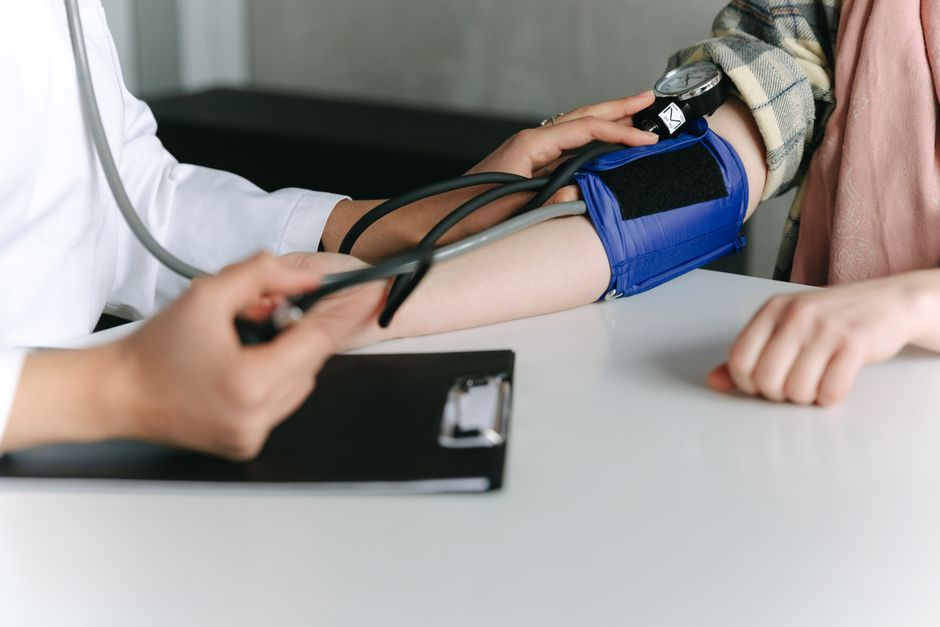
Low blood pressure rarely needs a cure. For most people, it is not a disease at all. The medical term is hypotension, and it only becomes a problem when it causes symptoms or when a drop in pressure reduces blood flow to the brain and other organs.
When treatment is needed, the approach depends on the cause. If a medication is responsible, adjusting it usually solves the problem. If the cause is dehydration, replacing fluids helps quickly. For people with chronic symptomatic hypotension, treatment combines more salt and fluid, compression stockings, slow position changes, and sometimes prescription medication. There is no single cure because low blood pressure is a measurement, not one condition.
What Counts as Low Blood Pressure?
A reading below 90/60 mm Hg is generally considered low. That number comes from standard clinical definitions used across medical practice.
Here is the part many people miss. A reading of 85/55 mm Hg can be perfectly normal for a healthy young person or a trained athlete. Blood pressure is only a concern when it produces symptoms or when it drops suddenly.
Doctors think about two different situations:
- Chronic low blood pressure without symptoms — usually harmless, no treatment needed
- Low blood pressure with symptoms or a sudden drop — needs evaluation and often treatment
The distinction matters because treating a number that causes no problems can do more harm than good. Blood pressure that runs on the lower side is associated with better cardiovascular outcomes in many healthy adults. The goal is never to push a number up for its own sake.
What Are the Symptoms of Low Blood Pressure?
Symptoms appear when blood flow to the brain or other organs drops below what they need. The most common signs are dizziness, lightheadedness, and fainting.
Other symptoms include:
- Blurred or fading vision, especially when standing up
- Fatigue and trouble concentrating
- Nausea
- Cold, clammy, pale skin
- Rapid or shallow breathing
- Feeling weak or unsteady
The pattern of symptoms can point to the cause. Dizziness that hits within seconds of standing suggests a specific type called orthostatic hypotension. Symptoms that appear after eating point to postprandial hypotension. Symptoms after prolonged standing in a warm room suggest neurally mediated hypotension, which is more common in younger people.
One symptom deserves special attention. Fainting, also called syncope, always warrants a medical evaluation. It can result from low blood pressure, but it can also come from heart rhythm problems, seizures, or other causes. A doctor needs to sort out which one is happening.
What Causes Low Blood Pressure?
Blood pressure depends on how hard the heart pumps, how much blood is in the vessels, and how wide or narrow those vessels are. Anything that affects one of those three factors can lower pressure.
Common causes include:
- Dehydration — less fluid means less blood volume and lower pressure
- Medications — diuretics, some blood pressure drugs, certain antidepressants, and drugs for Parkinson’s disease are frequent culprits
- Heart problems — very slow heart rate, heart valve disease, and heart failure can all reduce output
- Endocrine conditions — thyroid disease, adrenal insufficiency, and low blood sugar can lower pressure
- Severe infection — sepsis causes dangerous drops in pressure
- Blood loss — from injury or internal bleeding
- Prolonged bed rest — deconditioning weakens normal pressure regulation
- Pregnancy — pressure often runs lower because blood vessels widen
- Nutritional problems — severe vitamin B12 deficiency or folate deficiency can contribute
Age changes the picture too. In older adults, the reflexes that keep pressure steady when standing become less reliable. That makes orthostatic hypotension far more common after age 65.
Sorting out the cause is the entire game. Treating the cause is the closest thing to a cure that exists.

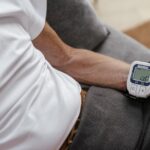
How Is Low Blood Pressure Treated?
Treatment starts with the cause, not the number. If a medication is responsible, a doctor may lower the dose or switch to a different drug. If dehydration is the issue, drinking fluids and replacing electrolytes usually corrects it within hours to days.
For ongoing symptomatic low blood pressure, doctors typically combine several approaches:
- More fluids. Drinking more water each day increases blood volume. This is the first step for most people.
- More salt. Sodium helps the body hold onto fluid and raises pressure. This is often recommended for people with chronic hypotension, but it should only be increased under medical guidance, especially for anyone with heart or kidney disease.
- Compression stockings. These squeeze the legs and help push blood back toward the heart. They are a standard non-drug option for orthostatic hypotension.
- Slow position changes. Standing up in stages — sitting on the edge of the bed before rising — reduces dizziness and fainting episodes.
- Smaller, more frequent meals. This helps with postprandial hypotension, the drop that happens after eating.
- Elevating the head of the bed. Some clinicians recommend this for people with orthostatic hypotension to reduce overnight fluid shifts.
When these steps are not enough, medication may be prescribed. The main drugs used are fludrocortisone, which helps the body retain sodium and fluid, and midodrine, which narrows blood vessels. Both require a prescription and monitoring. They are not first-line options, and they are not appropriate for everyone.
No medication cures low blood pressure in the sense of eliminating the underlying tendency. These drugs manage symptoms. That distinction is worth understanding clearly.
Can You Raise Low Blood Pressure Naturally?
Some lifestyle steps can help, and the evidence for them is reasonably solid for certain types of hypotension. Others are widely repeated but not well supported.
What tends to help:
- Drinking more water throughout the day, not all at once
- Getting up slowly from sitting or lying positions
- Avoiding long periods of standing still
- Avoiding very hot showers, saunas, and prolonged heat exposure, which widen blood vessels
- Eating smaller meals if symptoms follow eating
- Wearing compression stockings if recommended by a doctor
- Moderate exercise, which can improve how the body regulates pressure over time
What has weaker or mixed evidence:
- Caffeine as a treatment. It can raise pressure briefly, but the effect is short-lived and not a reliable strategy.
- Specific supplements marketed for blood pressure. No large human trials confirm that these reliably raise blood pressure in people with chronic hypotension.
- Crossing your legs and tensing your muscles when you feel dizzy. This physical counter-maneuver is used in some clinical settings, and some studies suggest it can help, but it is not a substitute for medical evaluation.
One clarification worth making. Drinking water rapidly can raise blood pressure within about 15 to 30 minutes in some people with autonomic problems. This is sometimes called the water pressor effect. It is real but modest and temporary. It is not a treatment on its own.
When Should You See a Doctor?
See a doctor if low blood pressure comes with fainting, chest pain, shortness of breath, or confusion. Those signs suggest blood flow to a vital organ may be compromised, and they need prompt evaluation.
Also seek care if:
- Dizziness or lightheadedness happens often or interferes with daily life
- Symptoms appear after starting a new medication
- You have a condition like diabetes, heart disease, or Parkinson’s disease and notice new symptoms
- You have signs of shock — cold, clammy skin, rapid breathing, weak pulse, or confusion
Shock is a medical emergency. It means organs are not getting enough blood, and it can result from severe infection, blood loss, allergic reaction, or heart problems. Call emergency services if you see these signs in yourself or someone else.
For everyone else, the message is simple. Low blood pressure without symptoms is usually not a problem. Low blood pressure with symptoms is a signal to find the cause.
Frequently Asked Questions
Can low blood pressure be cured?
There is no single cure because low blood pressure is a measurement, not one disease. When it is caused by something reversible — like a medication or dehydration — correcting that cause often resolves it.
What is the fastest way to raise low blood pressure?
Drinking fluids is the fastest self-directed step for most people, since it increases blood volume. If symptoms are severe or you have fainted, seek medical care rather than trying to fix it at home.
Is low blood pressure dangerous?
For most healthy people, low blood pressure without symptoms is not dangerous. It becomes a concern when it causes fainting, falls, or signs that organs are not getting enough blood.
Should I eat more salt to raise my blood pressure?
Extra sodium helps some people with chronic symptomatic hypotension, but it should only be increased with medical guidance. For anyone with heart or kidney disease, added salt can cause harm.
