
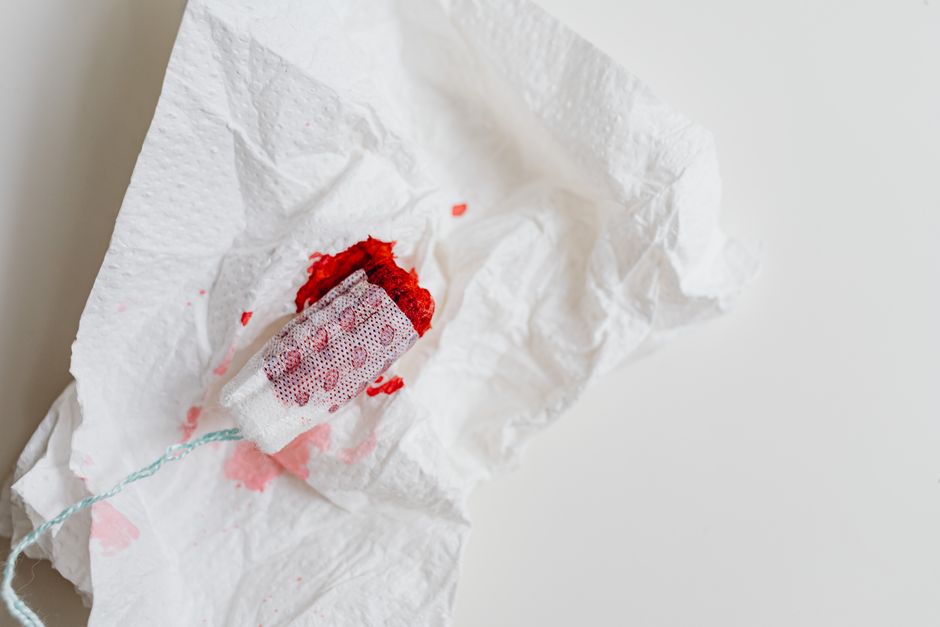
Internal bleeding can cause low blood pressure, but not always. When a significant amount of blood escapes from the circulatory system into body tissues or cavities, the volume of blood circulating through your vessels drops. Less volume means less pressure. That said, low blood pressure from internal bleeding usually signals a serious, advanced situation — not an early one. The body compensates aggressively at first, keeping blood pressure near normal even as bleeding continues.
How Does Internal Bleeding Cause Low Blood Pressure?
Blood pressure depends on two main things: how much blood your heart pumps per minute and how much resistance your blood vessels provide. When you lose blood internally, the “how much blood” part drops.
Your body responds with a coordinated compensation system. Blood vessels throughout your body narrow to maintain pressure. Your heart beats faster. Hormones like epinephrine and norepinephrine flood your system. These mechanisms can keep your blood pressure looking normal for a while, even during significant internal blood loss.
This is why early internal bleeding is so dangerous. A person can be bleeding into their abdomen or chest and still have a normal blood pressure reading. The compensation eventually fails. When it does, blood pressure drops — sometimes suddenly.
There is a common misconception worth clearing up. Many people assume that low blood pressure is the first sign of internal bleeding. It is not. It is often a late sign. Tachycardia — a heart rate above 100 beats per minute — typically appears earlier, along with pale skin, cool extremities, and increasing weakness.
What Types of Internal Bleeding Are Most Likely to Drop Blood Pressure?
The risk depends on how fast blood is lost and how much is lost. Not all internal bleeding is equal.
Bleeding into the abdominal cavity from a ruptured organ or blood vessel can be massive and rapid. The liver, spleen, and major arteries in the abdomen can bleed heavily after trauma. Gastrointestinal bleeding from ulcers or varices can also be severe, though it often produces visible signs like vomiting blood or black stools.
Bleeding into the chest cavity — from a torn aorta, rib fractures, or lung injury — can compress the heart and lungs while also reducing circulating volume. This is a particularly dangerous combination.
Bleeding into muscle compartments, like a thigh after a fracture, can also be significant. A fractured femur can bleed more than a liter into the surrounding tissue. That is enough to affect blood pressure in many adults.
Slower bleeds, such as from a small ulcer or a mild kidney injury, may not affect blood pressure at all until they have been ongoing for hours or days. Chronic slow blood loss more often causes anemia than acute low blood pressure.
What Are the Warning Signs of Internal Bleeding Before Blood Pressure Drops?
The body’s compensation mechanisms create a window where blood pressure is still normal but the person is already in trouble. Recognizing this window matters.
- Rapid heart rate: A pulse above 100 beats per minute at rest, especially if it keeps climbing
- Pale or gray skin: Particularly around the lips, gums, and nail beds
- Cool, clammy skin: Especially on the hands, feet, and forearms
- Confusion or agitation: The brain is sensitive to reduced blood flow
- Weakness or lightheadedness: Especially when standing up
- Pain or swelling: In the abdomen, chest, or a limb after injury
- Shortness of breath: From blood compressing the lungs or from anemia
These signs can appear before any measurable drop in blood pressure. In some cases, a person may feel relatively normal and then deteriorate quickly. This is why anyone with significant trauma or unexplained symptoms should be evaluated by a medical professional — not monitored at home.
How Much Blood Loss Does It Take to Lower Blood Pressure?
In a healthy adult, the body can typically compensate for moderate blood loss without a major drop in blood pressure. Clinical estimates suggest that losing up to about 15% of total blood volume may produce few or no changes in blood pressure at rest. For an average adult, that is roughly 750 milliliters or less.
Beyond that, compensation becomes harder. Heart rate climbs, blood vessels constrict further, and blood pressure may start to fall. With larger losses — often cited as more than 30% of blood volume — blood pressure drops significantly and the situation becomes immediately life-threatening.
These percentages are general estimates from trauma and emergency medicine. Individual responses vary based on age, baseline health, medications, and how quickly the bleeding occurs. A young, healthy person may compensate longer than an older adult or someone taking blood pressure medications. A rapid bleed of 500 milliliters can be more dangerous than a slow bleed of 1,000 milliliters over several days.
Why Do Some People Have Normal Blood Pressure Despite Internal Bleeding?
Compensation is the main reason. The body treats blood pressure as a priority. When volume drops, the sympathetic nervous system activates. Blood vessels narrow. The heart pumps faster and harder. Hormones signal the kidneys to retain sodium and water. These responses can maintain blood pressure at the cost of other functions.
Certain medications can also mask the picture. Beta-blockers, for example, slow the heart rate. A person on a beta-blocker might not show the expected rapid pulse even with significant bleeding. Blood pressure medications can blunt the compensatory rise in pressure. This makes internal bleeding harder to detect in people taking these drugs.
Age matters too. Children and young adults often compensate very well — sometimes until they crash suddenly. Older adults may decompensate earlier because their cardiovascular reserve is lower.
When Should You Seek Emergency Care?
Call 911 or go to an emergency room immediately if you have signs of internal bleeding. Do not wait to see if blood pressure drops. Do not try to monitor at home.
Seek emergency care for:
- Severe abdominal pain, especially after injury
- Vomiting blood or material that looks like coffee grounds
- Black, tarry stools or large amounts of red blood in stool
- Sudden severe chest or back pain
- Rapid heartbeat with pale, cool skin
- Confusion, fainting, or loss of consciousness
- Any significant trauma — car accident, fall, blunt force — with worsening symptoms
In the emergency department, doctors use physical exams, ultrasound, CT scans, and blood tests to find the source and assess severity. Treatment may include intravenous fluids, blood transfusions, medications to support blood pressure, and procedures to stop the bleeding. The specific approach depends on the location and cause.
Low blood pressure from internal bleeding is a medical emergency. It means compensation has failed or is failing. Outcomes are better when bleeding is controlled early, before blood pressure drops.
Does Low Blood Pressure Always Mean Internal Bleeding?
No. Low blood pressure has many causes, and internal bleeding is only one of them. Dehydration, severe infection, heart problems, endocrine disorders, and certain medications can all lower blood pressure. Some people naturally have lower blood pressure without any underlying problem.
What matters is context. Low blood pressure that comes on suddenly, especially after trauma or with other symptoms like rapid heart rate, confusion, or abdominal pain, is far more concerning than a chronically low reading in someone who feels well.
Doctors do not diagnose internal bleeding from a blood pressure reading alone. They look at the whole picture — history, physical exam, lab results, and imaging. Blood pressure is one piece of information, not the whole answer.
Frequently Asked Questions
Can you have internal bleeding with normal blood pressure?
Yes. The body compensates by narrowing blood vessels and speeding up the heart, which can keep blood pressure normal even during significant blood loss. This is why normal blood pressure does not rule out internal bleeding.
How quickly does blood pressure drop with internal bleeding?
It varies widely depending on the speed and volume of blood loss. A massive bleed can drop blood pressure within minutes, while a slow bleed may take hours or days to affect it — or may never lower it at all.
What is the first sign of internal bleeding?
Often it is a rapid heart rate, pale or cool skin, or increasing weakness — not low blood pressure. Blood pressure typically falls later, after compensation starts to fail.
Can internal bleeding cause low blood pressure days later?
Yes, a slow or intermittent bleed can gradually reduce circulating volume and eventually lower blood pressure. This is more common with chronic gastrointestinal bleeding than with acute trauma.
