
A standard 15-ounce can of black beans contains about 3.5 servings, and each half-cup serving delivers roughly 7 to 8 grams of protein and 6 to 8 grams of fiber. That makes a single can one of the most affordable sources of both nutrients in the grocery store. What varies far more than the nutrition is the sodium — some cans pack over 900 milligrams per serving, while no-salt-added versions can drop below 10 milligrams.
What Is Actually In a Can of Black Beans?
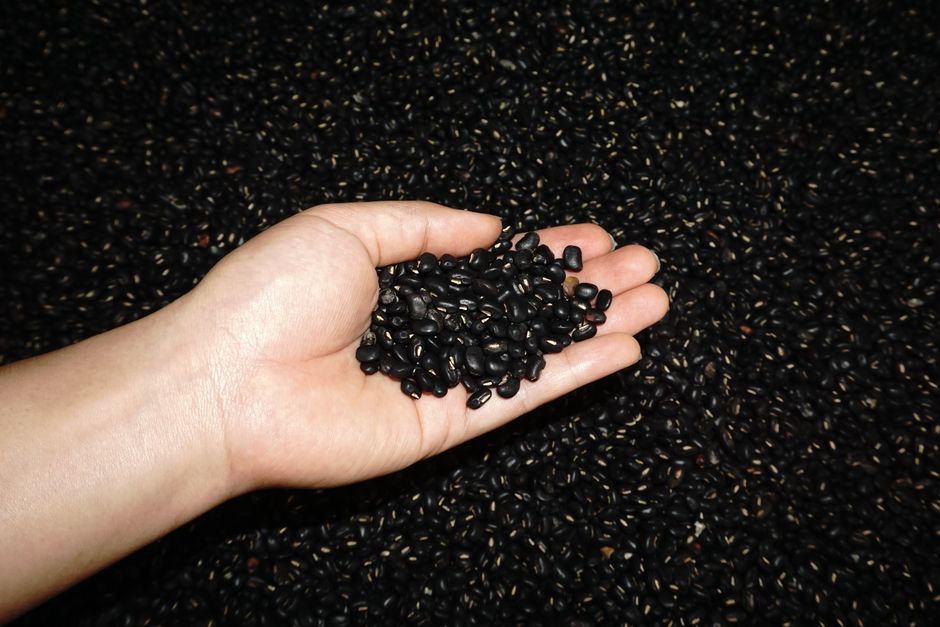
Black beans are the dried seeds of the common bean plant, Phaseolus vulgaris. A can holds cooked beans, water, and usually salt. Some brands add calcium chloride or calcium disodium EDTA to keep the beans firm during processing. That is the entire ingredient list in most cases.
The nutrition profile is where black beans earn their reputation. A half-cup serving of canned black beans, drained, provides approximately:
- About 110 to 130 calories
- 7 to 8 grams of protein
- 6 to 8 grams of fiber
- Around 20 grams of carbohydrate
- Significant amounts of folate, iron, magnesium, and potassium
These figures come from USDA nutrient data for canned black beans. The exact numbers shift a little between brands because of differences in bean size, water content, and processing.
One detail people often miss: the liquid in the can — sometimes called aquafaba when it comes from chickpeas — contains some of the starch and minerals that leach out of the beans during cooking. If you drain and rinse, you lose a small amount of those nutrients along with a large amount of sodium. That trade-off usually favors rinsing.
How Much Sodium Is in a Can of Black Beans?
Sodium is the single biggest difference between one can of black beans and another. Regular canned black beans commonly contain 400 to 500 milligrams of sodium per half-cup serving. Some brands push past 900 milligrams. No-salt-added versions typically contain less than 10 milligrams per serving.
For context, US dietary guidelines generally recommend keeping sodium under 2,300 milligrams per day for most adults. A single half-cup of a high-sodium canned bean could account for a meaningful share of that. A no-salt-added can barely registers.
Rinsing matters here. Draining and rinsing canned beans in a colander under running water removes a substantial portion of the surface sodium — research suggests rinsing can reduce sodium content by roughly 40 percent or more, though the exact amount depends on the brand and how thoroughly you rinse. It does not remove all of it, because some sodium is absorbed into the bean itself.
If you are watching blood pressure or following a low-sodium diet, buying no-salt-added cans and seasoning them yourself gives you the most control. If you only have regular cans on hand, rinsing well is a reasonable middle ground.
Are Canned Black Beans as Healthy as Dried?
For most practical purposes, yes. The nutrient differences between canned and dried beans are smaller than people assume.
Canned beans are cooked during processing, which means some water-soluble vitamins — particularly folate and certain B vitamins — leach into the canning liquid and are lost when you drain. Dried beans cooked at home retain somewhat more of these. But the protein, fiber, and mineral content is largely comparable.
The bigger variable is what you add. A bowl of home-cooked dried beans seasoned with garlic, cumin, and olive oil is not automatically healthier than a rinsed can of black beans. And a can of beans is ready in two minutes, which matters for whether you actually eat them.
One point in favor of dried: you control the sodium completely. One point in favor of canned: the convenience makes it far more likely you will use them regularly. Both are legitimate reasons to choose one over the other.





What Are the Health Benefits of Black Beans?
The fiber and protein in black beans are the main reasons they show up in nutrition guidance. A half-cup serving provides roughly a quarter of the daily fiber recommendation for adults, which is generally cited as 25 to 38 grams depending on age and sex.
Diets high in legumes — including beans — are consistently associated with lower risk of heart disease and type 2 diabetes in large population studies. The evidence for this association is strong and repeated across many populations. What is harder to pin down is how much of the benefit comes from beans specifically versus the overall dietary pattern they tend to be part of.
Black beans have a low glycemic index, meaning they raise blood sugar slowly compared to refined carbohydrates. This is well established and makes them a common recommendation for people managing blood sugar. The fiber content slows digestion and blunts the glucose spike from a meal.
The protein content — 7 to 8 grams per half-cup — is modest compared to meat or eggs, but it adds up. For people eating plant-based diets, beans are a primary protein source. For everyone else, they are a useful supplement to whatever else is on the plate.
One clarification worth making: black beans contain iron and zinc, but these are in plant forms that the body absorbs less efficiently than the forms found in meat. Eating beans with a source of vitamin C — tomatoes, peppers, citrus — improves absorption. This is well-established nutrition science, not a fringe claim.
Do Black Beans Cause Gas?
Yes, commonly. Black beans contain oligosaccharides — specific types of carbohydrates that human digestive enzymes cannot break down. They pass undigested into the large intestine, where gut bacteria ferment them. That fermentation produces gas.
This is normal digestion, not a sign of a problem. The amount of gas varies widely between people depending on their gut bacteria and how accustomed they are to eating beans.
Several approaches can reduce the effect. Rinsing canned beans well removes some of the oligosaccharides that have leached into the liquid. Starting with small portions and increasing gradually over weeks gives gut bacteria time to adapt — this is a well-documented phenomenon. Some people find that taking an over-the-counter alpha-galactosidase enzyme supplement with bean-containing meals reduces symptoms, though results vary and the evidence for how well it works in practice is mixed.
If beans cause persistent, severe bloating or pain, that is worth discussing with a doctor. It could point to a digestive condition rather than ordinary bean-related gas.
How Should You Store and Use Canned Black Beans?
Unopened cans keep for years past their printed date if stored in a cool, dry place. Once opened, transfer any unused beans and liquid to a covered container and refrigerate. Use them within three to four days.
Draining and rinsing is the default for most recipes — soups, salads, tacos, dips. But the liquid has uses. It adds body to soups and can be blended into sauces. If you are using a no-salt-added can, the liquid is a reasonable addition to a dish. If the can is high in sodium, leaving the liquid out is the better move.
Black beans work in a wide range of dishes without needing to be cooked again. They can be mashed into burgers, folded into quesadillas, added cold to salads, or simmered into stews. They hold their shape reasonably well, which is why they show up in dishes where you want to see the bean rather than have it dissolve.
One practical note: canned beans are already fully cooked. Recipes that call for simmering them for a long time are usually trying to build flavor, not to cook the beans through. Overcooking will make them mushy.
Are There Any Downsides to Canned Black Beans?
The main concern is sodium, already covered. Beyond that, the bisphenol A (BPA) story deserves a straight answer. Many can linings historically contained BPA, a chemical that can migrate into food. The FDA has stated that BPA at current levels in food is safe, but the science has been debated and some research has raised concerns about endocrine effects. In response, many manufacturers have switched to BPA-free linings or other alternatives.
Whether BPA-free linings are meaningfully safer is not fully settled. Some research suggests replacement chemicals may have similar properties. The evidence here is genuinely incomplete. If this is a concern for you, beans sold in cartons, pouches, or glass jars avoid the issue entirely, as do dried beans.
For most people, the nutritional benefits of eating beans regularly outweigh concerns about can linings. But that is a judgment call, not a settled scientific conclusion.
Frequently Asked Questions
How much protein is in a can of black beans?
A 15-ounce can contains about 3.5 half-cup servings, each with roughly 7 to 8 grams of protein, for about 25 to 28 grams total. The exact amount varies slightly by brand.
Should you rinse canned black beans?
Rinsing removes a substantial portion of the surface sodium — often around 40 percent or more — along with some of the liquid that causes gas. It also washes away a small amount of water-soluble vitamins.
Are canned black beans already cooked?
Yes. All canned beans are fully cooked during processing. You can eat them straight from the can or add them to dishes without further cooking.
How long do canned black beans last after opening?
Once opened, transfer unused beans and liquid to a covered container and refrigerate. Use them within three to four days.
