
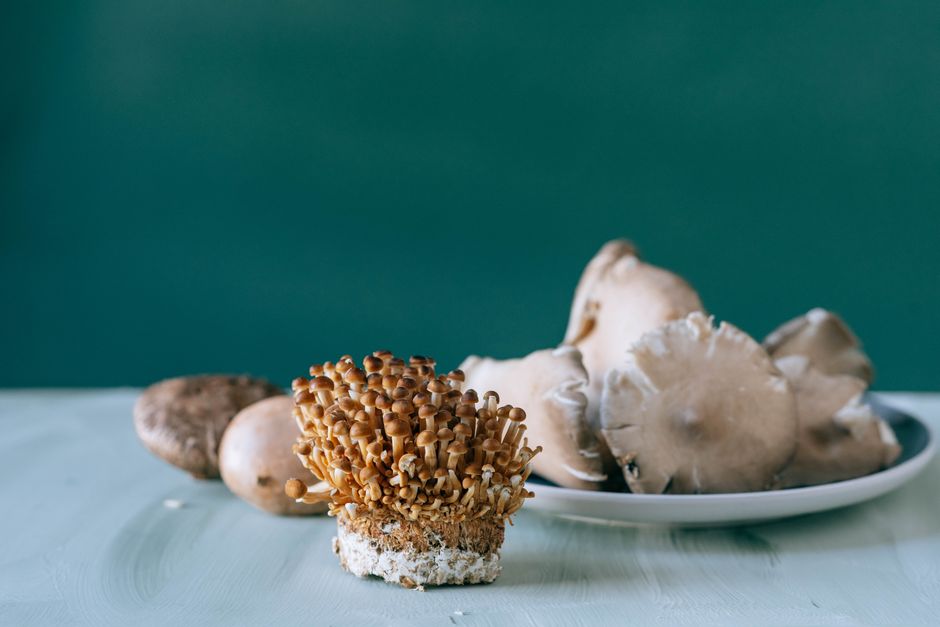
Ashwagandha is not a mushroom. It is a small evergreen shrub that grows in dry parts of India, the Middle East, and North Africa. Its roots and leaves have been used for thousands of years in Ayurvedic medicine. People often confuse it with mushrooms because of its name or because some supplements mix it with medicinal mushrooms. But botanically, ashwagandha is a plant in the nightshade family — the same family as tomatoes and peppers. It is an adaptogenic herb, meaning it is thought to help the body manage stress.
Is Ashwagandha A Mushroom What It Actually Is
No. Ashwagandha is not a mushroom. It is a plant with the scientific name Withania somnifera. Mushrooms belong to the kingdom Fungi. Ashwagandha belongs to the kingdom Plantae. The confusion likely comes from two places. First, many adaptogenic supplements pair ashwagandha with functional mushrooms like reishi or lion’s mane. Second, the name ashwagandha sounds unfamiliar to some people, and they may assume it is a fungus. But it is a flowering shrub. The part used medicinally is the root, sometimes the leaves. So if you are looking for a mushroom, you will not find one here. Ashwagandha is a herb, plain and simple.
What Is Ashwagandha?
Ashwagandha is a plant that has been part of Ayurvedic medicine for over 3,000 years. It is classified as an adaptogen — a substance that is thought to help the body resist physical and mental stress. The active compounds in ashwagandha are called withanolides. These are naturally occurring steroids that researchers believe contribute to its effects. The plant grows as a small shrub with yellow flowers and red fruit. But the root is what most supplements use. Unlike mushrooms, which are fungi that grow from spores, ashwagandha grows from seeds and requires soil, sunlight, and water like any other vegetable or herb.
How Does Ashwagandha Work?
The science behind ashwagandha is still emerging, but several mechanisms have been studied. Withanolides are thought to lower cortisol levels. Cortisol is a hormone the body releases in response to stress. Chronically high cortisol can disrupt sleep, increase anxiety, and affect metabolism. Some studies show that daily ashwagandha supplementation may reduce cortisol by 10 to 30 percent in stressed adults. That drop may help improve mood and energy. Ashwagandha also appears to have mild anti-inflammatory and antioxidant effects. However, not all studies agree. Some do not find a significant cortisol reduction. The evidence is strongest for stress and anxiety, but it is not conclusive for everyone. Biological plausibility exists, but clinical results vary.



What Are the Proven Benefits of Ashwagandha?
Research has focused mainly on stress, anxiety, sleep, and physical performance. Here is what the evidence currently shows, based on multiple small trials.
Stress and anxiety. Several randomized controlled trials report that ashwagandha supplements reduce perceived stress and anxiety scores compared to placebo. The effects appear modest but consistent. Most studies use standardized extracts providing 300–600 mg of withanolides per day. The typical duration is 8 to 12 weeks. The quality of these studies is moderate. Larger, longer trials are still needed.
Sleep. Some studies suggest ashwagandha improves sleep quality, especially in people with insomnia. Improvements are seen in how long it takes to fall asleep and total sleep time. The effect is not large, but it may help some people.
Physical performance. A few trials in healthy adults show small gains in muscle strength, endurance, and recovery when ashwagandha is taken alongside resistance training. The benefits are not dramatic and may not apply to everyone.
Male fertility. Some research indicates ashwagandha may increase sperm count and motility in men with low fertility. The evidence is limited but promising. More studies are needed.
Other claimed benefits — memory, thyroid function, blood sugar control — are based on weaker evidence. Some animal studies show promise. Human studies are either mixed or too small to draw firm conclusions. No large clinical trial has proven ashwagandha prevents or treats any disease.
What Are the Side Effects and Risks?
Ashwagandha is generally safe for most adults when taken for up to three months. But it is not risk-free. Common side effects include upset stomach, diarrhea, and drowsiness. Rarely, it may cause liver injury, though this is extremely uncommon and not clearly linked to ashwagandha alone. Higher doses increase the risk of side effects.
Who should avoid ashwagandha?
Ashwagandha can also interact with medications, including sedatives, thyroid hormone, blood pressure drugs, and diabetes medications. Always consult a healthcare provider before starting any new supplement.
How to Take Ashwagandha Safely
If you decide to try ashwagandha, there are some practical points to keep in mind. First, choose a reputable brand that tests for purity and potency. Look for a product that lists the withanolide content on the label. Many experts recommend starting with a low dose, such as 300 mg once daily, and increasing slowly if needed. Doses of 600 mg per day are common in studies, but there is no official recommendation from health authorities. The U.S. Food and Drug Administration does not regulate supplements as strictly as drugs. Quality, dosage, and safety can vary between brands.
Do not take ashwagandha for longer than three months without a break. Some experts suggest cycling it — for example, taking it for 8 weeks, then stopping for 1 to 2 weeks. There is no strong evidence that this is necessary, but it may reduce the risk of side effects. As with any supplement, pay attention to how your body responds. If you notice any concerning symptoms, stop taking it and talk to a healthcare provider.
How Is Ashwagandha Different From Medicinal Mushrooms?
Both ashwagandha and medicinal mushrooms are often grouped together as adaptogens. But they come from completely different kingdoms. Medicinal mushrooms such as reishi, chaga, lion’s mane, and cordyceps are fungi. They grow from mycelium, not seeds. Their active compounds are beta-glucans and triterpenes, not withanolides. Mushrooms are also typically cooked or dried before use, while ashwagandha root is often powdered raw. Some supplement blends combine them, which can confuse consumers. If a product lists both mushroom powder and ashwagandha, read the label carefully. You are getting two different things, both with distinct effects and risks.
Frequently Asked Questions
Is ashwagandha a mushroom or a plant?
Ashwagandha is a plant, specifically a small shrub in the nightshade family. It is not a mushroom.
What is ashwagandha actually made of?
Ashwagandha supplements are made from the dried root of the Withania somnifera plant. The root is ground into a powder or extracted into a liquid.
Can ashwagandha be taken with mushrooms like reishi?
Yes, but there is no established evidence that combining them provides extra benefit. Each has its own effects, and interactions are not well studied.
Does ashwagandha have caffeine?
No. Ashwagandha does not contain caffeine. It is not a stimulant. Some people report feeling more energetic, but that is likely due to reduced stress rather than a direct stimulant effect.
