
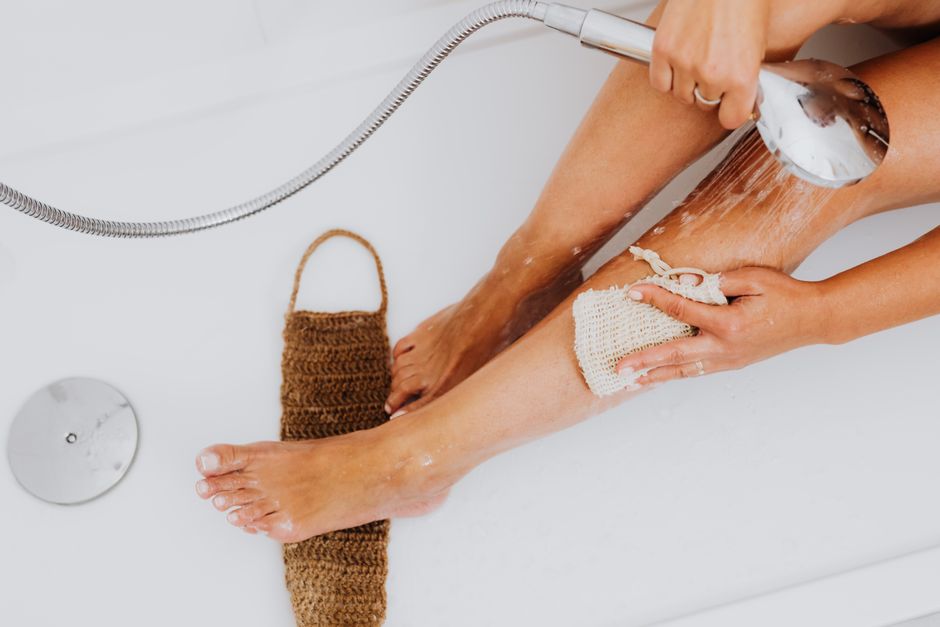
Dry legs are one of the most common skin complaints dermatologists hear about, and the fix is usually simpler than the shelf of products at the drugstore suggests. The short answer: apply a thick moisturizer within three minutes of getting out of the shower, while your skin is still damp, and choose a product built around petrolatum, glycerin, or ceramides rather than a thin lotion. Do that consistently, and most cases of ordinary dry skin improve within a few weeks. What follows is how to tell ordinary dryness apart from a skin condition that needs a doctor, which ingredients actually hold water in the skin, and why timing matters more than price.
How To Moisturize Dry Legs What Actually Works?
Timing and ingredient choice do most of the work. Everything else — fancy packaging, exotic botanicals, twelve-step routines — is secondary.
Skin on the lower legs is prone to dryness for structural reasons. The legs have fewer oil glands than the face and torso, and the skin there is thinner and more exposed to friction from clothing, heat, and shaving. That combination means the outer layer of skin, called the stratum corneum, loses water more easily than it does elsewhere on the body.
Moisturizers do not add water to your skin from the outside in the way a glass of water hydrates you. They work in two ways. Humectants like glycerin and hyaluronic acid pull water toward the skin’s surface. Occlusives like petrolatum and mineral oil sit on top and slow water from escaping. Emollients like fatty acids and ceramides fill the gaps between skin cells so the barrier feels smoother.
Most effective moisturizers combine all three. A product that is only a humectant can actually make dryness worse in a dry climate, because it pulls water from deeper skin layers to the surface, where it then evaporates.
The practical rule that dermatologists have taught for decades is the “soak and seal” method. Pat your legs dry after a shower, leave them slightly damp, and apply moisturizer immediately. The dampness gives humectants water to trap, and the occlusive layer keeps it in. Waiting until your legs are fully dry and cool misses most of the benefit.
Which Ingredients Actually Help Dry Legs?
The ingredients with the strongest evidence behind them are not the ones with the most marketing. Here is how the main categories compare.
| Ingredient type | Examples | How it works |
|---|---|---|
| Occlusive | Petrolatum, mineral oil, lanolin, dimethicone | Forms a barrier that slows water loss from skin |
| Humectant | Glycerin, hyaluronic acid, urea, lactic acid | Draws water into the outer skin layer |
| Emollient | Ceramides, fatty acids, cholesterol, squalane | Fills spaces between skin cells and softens the surface |
Petrolatum remains the single most effective occlusive available. It reduces water loss through the skin by a very large margin compared to most other ingredients, which is why it is a standard reference in dermatology research. It is also heavy and can feel greasy, which is why many people prefer it at night or only on the driest patches.
Glycerin is the workhorse humectant in most drugstore moisturizers. It is well studied, inexpensive, and generally well tolerated. Urea deserves more attention than it usually gets. At lower concentrations it is a humectant; at higher concentrations it also softens thick, scaly skin. Some people find urea stings on cracked skin, so it is worth testing on a small area first.
Ceramides are lipids that occur naturally in the skin barrier. Moisturizers containing ceramides are widely used in eczema care, and some studies suggest they help restore barrier function. The evidence for ceramide creams in ordinary dry skin is less extensive than for petrolatum, but they are reasonable options, particularly for people who dislike the feel of heavy ointments.
Fragrance is the ingredient most likely to cause a reaction. If your legs are dry and itchy, or if you have eczema or psoriasis, a fragrance-free product is usually the safer choice.
How Often Should You Moisturize Dry Legs?
Twice a day is enough for most people. Once after showering and once before bed covers the two moments when skin barrier repair is most active.
More frequent application does not necessarily speed things up. What matters more is consistency. A single heavy application once a week will not do what a moderate application twice a day does over the same period.
If your legs are very dry or you live in a low-humidity climate, a third application in the middle of the day may help. There is no established upper limit on how often you can moisturize; the practical constraint is whether it interferes with your day or causes irritation.
One point that gets overlooked: moisturizing right after shaving or exfoliating matters more than usual. Both strip the outer layer of skin and temporarily weaken the barrier. Applying moisturizer within a few minutes helps offset that.





What Makes Dry Legs Worse?
Several everyday habits make dry legs harder to fix, and changing them is often as effective as switching products.
- Long hot showers strip lipids from the skin barrier. Shorter, lukewarm showers are gentler.
- Scented soaps and body washes remove more of the skin’s natural oils than fragrance-free cleansers.
- Rough exfoliation — scrubs, loofahs, dry brushing — can damage an already compromised barrier.
- Low indoor humidity in winter pulls water out of the skin. A humidifier in the bedroom can help.
- Tight synthetic clothing traps heat and rubs against dry skin, which can worsen itching.
Some medications, including diuretics and certain cholesterol-lowering drugs, are associated with dry skin in some people. If dryness started around the same time as a new prescription, that is worth mentioning to your doctor.
When Dry Legs Are More Than Dry Skin
Ordinary dry skin responds to moisturizer within a few weeks. If it does not, or if other symptoms are present, the cause may be something else.
Signs that point to a medical cause rather than simple dryness include:
- Red, scaly, or inflamed patches that do not improve with moisturizer
- Severe itching, especially at night
- Cracks that bleed or show signs of infection
- Dryness that spreads or worsens despite consistent care
- Swelling, warmth, or color changes in the legs
These can be signs of eczema, psoriasis, contact dermatitis, or in some cases a circulation or thyroid issue. A dermatologist can usually tell the difference with a physical exam. Self-treating a condition that needs prescription care can delay relief and, in the case of infection, allow it to get worse.
People with diabetes should pay particular attention to dry skin on the legs and feet. Poor circulation and reduced sensation can mean small cracks go unnoticed, which raises the risk of infection. Regular moisturizing is part of standard foot care for many people with diabetes, though moisturizer should not be applied between the toes, where excess moisture can encourage fungal growth.
Does Drinking More Water Help Dry Legs?
Not in any meaningful way for most people. The skin is not a priority organ for water distribution, and the body maintains skin hydration through internal regulation regardless of how much extra water you drink.
Severe dehydration can affect the skin, but that is a medical situation, not a reason to drink more water for cosmetic purposes. If you are otherwise healthy and well hydrated, adding more water will not fix dry legs. Moisturizer applied to the outside of the skin does far more.
Do Expensive Moisturizers Work Better?
No. Price and effectiveness are not closely linked for dry legs.
Some of the most studied and effective ingredients — petrolatum, glycerin, mineral oil, urea — appear in inexpensive drugstore products. What you often pay more for is texture, scent, packaging, and botanical extracts that have far less evidence behind them.
The best moisturizer for your legs is the one you will actually use consistently. A thick, greasy product that sits unused in a cabinet does nothing. A basic, fragrance-free cream applied twice a day does more than a luxury product applied once a week.
Frequently Asked Questions
How long does it take for dry legs to get better with moisturizer?
Most people see noticeable improvement within one to three weeks of consistent twice-daily moisturizing. If there is no change after a month, the cause may be something other than simple dryness.
Is petroleum jelly good for dry legs?
Yes. Petrolatum is one of the most effective ingredients for reducing water loss from the skin, and it is widely used in dermatology. It feels heavy, so many people use it at night or only on the driest areas.
Should I moisturize before or after shaving my legs?
After. Shaving removes part of the outer skin layer and temporarily weakens the barrier, so applying moisturizer within a few minutes helps offset that. Moisturizing before shaving does not offer the same benefit.
Can dry legs be a sign of a health problem?
Sometimes. Dryness that does not respond to moisturizer, or that comes with redness, severe itching, or cracked skin, can be a sign of eczema, psoriasis, or another condition that needs medical care.
