
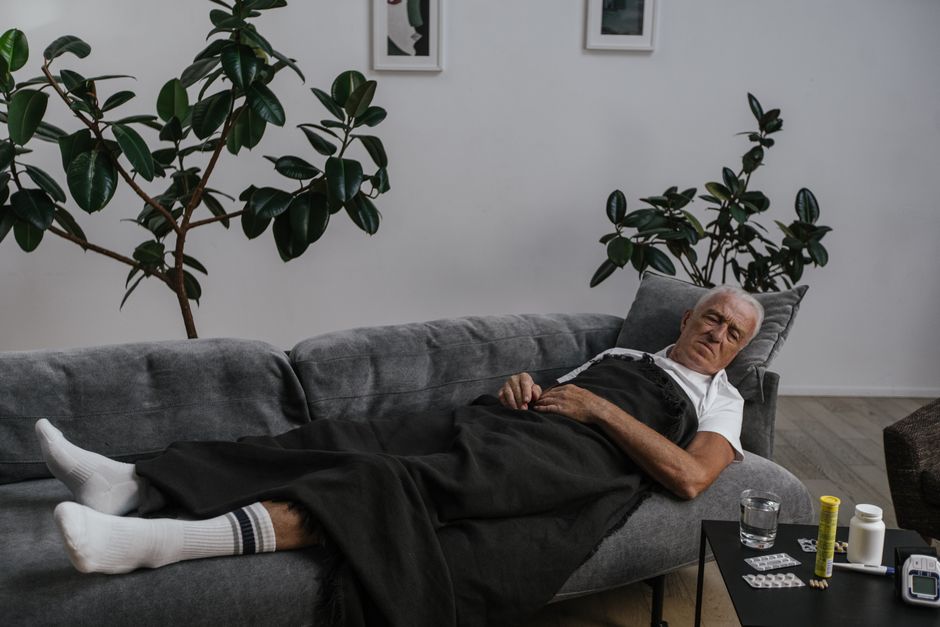
Severe burnout recovery is not a vacation, a weekend reset, or a mindset shift. It is a staged process of restoring physical capacity, reducing the load that caused the collapse, and rebuilding demands gradually enough that your nervous system can tolerate them. The timeline is measured in months, not days, and the single most common mistake is returning to full intensity before your body has actually recovered.
What Is Severe Burnout, Exactly?
Burnout is a state of exhaustion caused by prolonged, unresolved stress — usually tied to work, caregiving, or both. The World Health Organization classifies burnout in the International Classification of Diseases as an occupational phenomenon, not a medical condition. That distinction matters. It means burnout is not diagnosed the way depression or an anxiety disorder is, and it is not treated with a standard prescription.
Severe burnout is the point where the usual coping strategies stop working. Sleep does not restore you. Days off do not help. You may feel detached from work, cynical about things you used to care about, and doubtful that your effort accomplishes anything. The three dimensions clinicians and researchers typically describe are exhaustion, mental distance or cynicism, and reduced sense of professional efficacy.
An important clarification: burnout and clinical depression overlap but are not the same thing. Burnout is generally tied to a specific context — usually work — and lifts when that context changes. Depression is broader and persists across areas of life. If you cannot tell the difference, that is a reason to see a clinician, not a reason to self-diagnose. The two can also occur together, and one can mask the other.
Why Rest Alone Does Not Fix Severe Burnout
Rest helps, but it is not sufficient. This is where most recovery attempts fail.
Prolonged stress keeps the body’s stress-response systems activated. When that activation continues without adequate recovery, it affects sleep quality, mood regulation, immune function, digestion, and the ability to concentrate. A person in that state often cannot rest effectively even when given the chance. Sleep becomes fragmented. Quiet time feels agitated rather than restorative.
There is also a load problem. If you rest for two weeks and then return to the exact conditions that produced the burnout, the same stressors reapply and the same result follows. Recovery requires changing something about the load, not just pausing it.
What recovery actually requires:
- Reducing or restructuring the demands that caused the collapse
- Restoring sleep and basic physical rhythms
- Rebuilding tolerance for activity in small, graded steps
- Addressing any co-occurring condition, such as depression, anxiety, or a sleep disorder
None of these is optional, and none works well in isolation.
How To Actually Recover From Severe Burnout: The Stages
Recovery from severe burnout generally moves through phases. The pace varies widely between people, and there is no single correct schedule. What follows describes the general direction rather than a fixed protocol.
Step 1: Reduce the load
This usually means time away from the source of stress. For some people that is medical leave or a leave of absence. For others it is a temporary reduction in hours or a renegotiation of responsibilities. The specific arrangement depends on your situation, your employer, and what your clinician recommends.
This step is not about willpower. A person in severe burnout often cannot simply push through, and trying to do so tends to prolong the problem.
Step 2: Restore the basics
Sleep comes first. Consistent sleep and wake times, daylight exposure in the morning, and reduced stimulation in the evening all support the body’s sleep system. For people whose sleep is significantly disrupted, a clinician may recommend evaluation for a sleep disorder — obstructive sleep apnea, for example, is common and frequently missed.
Eating regularly, moving your body gently, and getting outside are not motivational slogans. They are inputs the body needs to regulate itself. Gentle movement — walking, light stretching — is generally better tolerated early on than intense exercise, which can feel like one more demand.
Step 3: Rebuild tolerance gradually
Once rest stops feeling like recovery and starts feeling like avoidance, that is often a signal to begin adding activity back. The key word is gradually. Adding too much too fast tends to trigger a relapse into exhaustion.
A common approach is to add one demand at a time and observe how you respond over several days before adding another. This is similar in principle to how rehabilitation after injury works — the tissue needs load to rebuild, but more load than it can handle causes harm.
Step 4: Address the underlying conditions
Returning to the same job with the same structure and the same unsustainable demands usually leads back to the same place. Sustainable recovery often involves changing something concrete: workload, hours, role, boundaries, or in some cases the job itself.
This is the part people resist most, because it requires decisions rather than rest. It is also the part most associated with lasting recovery.





How Long Does Severe Burnout Recovery Take?
There is no standard timeline, and anyone who gives you a fixed number is guessing. What is clear is that severe burnout does not resolve in a week or two. Recovery is generally measured in months, and for some people it takes considerably longer.
Several factors influence the pace:
- How long the burnout lasted before you addressed it
- Whether the underlying stressors can actually be changed
- Whether depression, anxiety, or a sleep disorder is also present
- How much support you have — practical, financial, and social
- Whether you have recovered from burnout before
Recovery is also rarely a straight line. It is common to have better weeks followed by worse ones. That pattern is normal and does not mean you are failing.
What Actually Helps and What Does Not
Some interventions have reasonable support. Others are widely marketed and largely unproven.
What tends to help, based on clinical practice and the available evidence:
- Time away from the stressor, when it can be arranged
- Sleep restoration, with evaluation for sleep disorders when sleep does not improve
- Psychological support, including approaches focused on stress, boundaries, and unhelpful thought patterns
- Structured return to activity rather than an abrupt return
- Changing the conditions that caused the burnout
What has weak or absent evidence for treating severe burnout specifically:
- Supplement protocols marketed for “adrenal fatigue” — a term not recognized as a diagnosis by major medical bodies
- Wellness retreats presented as standalone cures
- Apps and wearables marketed as burnout solutions
- Any product claiming to “reset” your nervous system
That does not mean every supplement or retreat is worthless. It means the evidence that they treat severe burnout is limited, and they should not replace the steps that do have support.
When to Get Professional Help
Severe burnout overlaps heavily with conditions that do have established treatment. If you have persistent low mood, loss of interest in things you used to enjoy, changes in appetite or sleep that last for weeks, or thoughts of harming yourself, that warrants prompt evaluation by a clinician.
Burnout itself is not treated with medication. But co-occurring depression, anxiety, and sleep disorders often are, and treating them can make burnout recovery significantly more achievable.
If you are having thoughts of suicide, contact the 988 Suicide and Crisis Lifeline by calling or texting 988 in the US. This is a crisis resource, not a substitute for ongoing care.
Preventing Another Collapse
The strongest predictor of burnout returning is returning to the same conditions without change. Prevention is less about resilience and more about structure.
Practical anchors that tend to matter:
- Protected recovery time that is not the first thing sacrificed when work gets busy
- Clear limits on availability, including after hours
- Regular sleep and wake times, even on difficult weeks
- Honest monitoring of early warning signs — disrupted sleep, creeping cynicism, and declining motivation
- Acting on those signs early rather than waiting for a crisis
The idea that burnout is a personal failing is not supported. Research on burnout consistently points to workplace and structural factors — workload, control, reward, fairness, community, and values — as central drivers. Individual coping helps, but it does not compensate for a system that is genuinely unsustainable.
Frequently Asked Questions
Can you recover from severe burnout on your own?
Some people recover with rest, sleep restoration, and concrete changes to their workload, but severe burnout often benefits from professional support. If depression, anxiety, or a sleep disorder is also present, self-management alone is usually not enough.
How long does it take to recover from severe burnout?
Recovery is generally measured in months rather than weeks, and the exact timeline varies widely between people. Anyone offering a fixed number of days or weeks is not describing evidence-based expectations.
Is burnout the same as depression?
No. Burnout is tied to a specific context — usually work — while depression is broader and affects most areas of life. The two can occur together, and only a clinician can tell them apart.
Does taking a vacation fix severe burnout?
A vacation can provide temporary relief, but it does not resolve burnout on its own. Lasting recovery usually requires changing the conditions that caused it, not just pausing them.
