
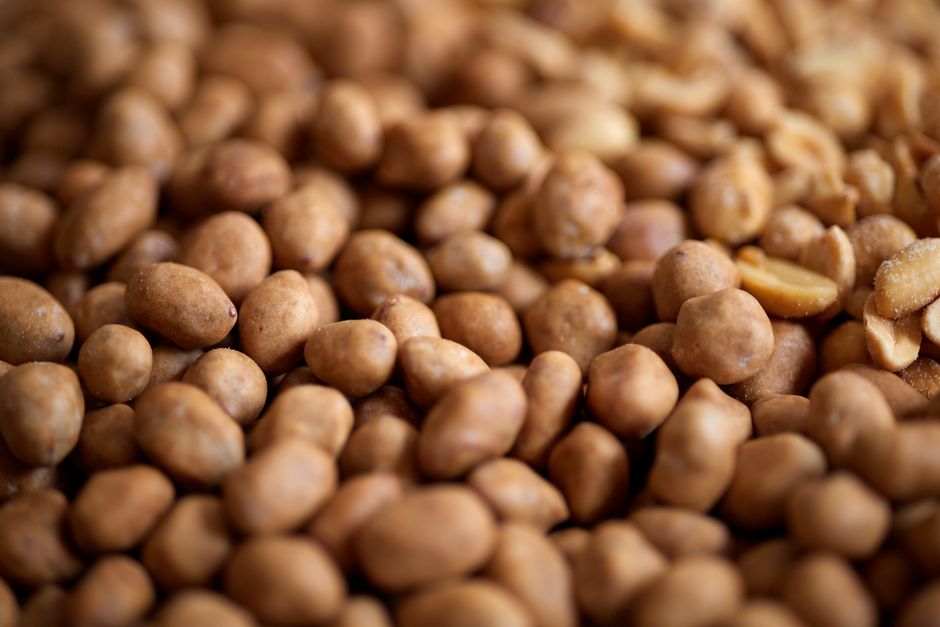
Salt sticks to roasted nuts when there is something on the surface for it to cling to. Dry salt sprinkled on dry nuts mostly bounces off. The fix is to create a thin layer of oil, moisture, or a sticky coating on the nuts first, then apply fine salt while that layer is still wet. Timing matters as much as the salt itself. Salt applied after the nuts have cooled and dried out will not adhere well, no matter how much you use.
Why Does Salt Fall Off Roasted Nuts?
Salt is a crystal. Nuts are covered in natural oils and, once roasted, a dry, slightly porous surface. Two dry surfaces do not bond. The salt grains simply sit on top until gravity or a jostle sends them to the bottom of the bowl.
For salt to stay put, it needs to partially dissolve into a liquid layer on the nut’s surface, then dry in place. As the water or oil evaporates or settles, the salt recrystallizes directly against the nut. That is the entire mechanism. Nothing complicated is happening — it is basic adhesion.
This is why commercially salted nuts often look evenly coated. Manufacturers typically apply oil and salt in a controlled process while the nuts are still warm, which helps the salt dissolve and stick. You can replicate the principle at home without special equipment.
One thing worth knowing: the finer the salt, the better it adheres. Fine salt dissolves faster and covers more surface area per gram. Coarse flakes like kosher or flaky sea salt create a different texture but stick less reliably unless the surface is quite wet.
How To Salt Roasted Nuts So The Salt Actually Sticks
The most reliable method is to toss the nuts with a small amount of oil or a light moisture coating immediately after roasting, while they are still hot, then sprinkle fine salt and toss again. Heat helps the salt dissolve into the oil or moisture, and the tossing distributes it evenly.
Here is the sequence that works:
- Roast the nuts until they are done, then remove them from the oven.
- While still hot, transfer to a bowl and add a small amount of oil — a neutral oil like canola or a flavorful one like walnut oil both work.
- Toss to coat every nut thinly. You want a sheen, not a pool.
- Sprinkle fine salt over the nuts while they are still glistening.
- Toss again and let them cool in a single layer.
The salt dissolves slightly in the warm oil and moisture, then stays on as the nuts cool. This is the same principle behind salting popcorn with butter — the fat carries the salt.
If you want to skip oil entirely, a light mist of water works too. Spray the hot nuts with a fine mist, salt them, and toss. The water evaporates quickly, leaving the salt behind. This method adds no fat but can make nuts slightly less crisp if you use too much water.
Does Egg White Help Salt Stick To Nuts?
Yes. A thin coating of lightly beaten egg white is one of the most effective ways to get salt and seasonings to adhere to nuts. It creates a protein film that dries firm and holds onto salt, spices, and sugar.
This technique is common in candied nut recipes and spiced nut mixes. You whisk an egg white until frothy, toss the raw nuts in it, add your salt and seasonings, then roast. The egg white sets during roasting and acts like glue.
The trade-off is texture. Egg-white-coated nuts come out with a slightly lacquered, candied shell rather than a clean roasted surface. That is desirable for some recipes and not for others. If you want plain salted nuts with a clean bite, oil or water is a better choice. If you want a seasoned coating that stays put, egg white is hard to beat.
One safety note: when working with raw egg, follow standard food safety practices. Wash your hands and any surfaces the raw egg touches. The nuts themselves are roasted at a temperature that cooks the egg white, but cross-contamination before roasting is still a concern.





What Kind Of Salt Sticks Best?
Fine salt sticks best. The smaller the crystal, the more easily it dissolves into the oil or moisture layer and the more evenly it distributes.
Table salt and fine sea salt are the most practical choices. They dissolve quickly and coat evenly. Kosher salt and flaky sea salt are coarser and tend to fall off unless the nut surface is quite wet. They can work as a finishing salt if you apply them to nuts that are still glossy with oil, but the coverage will be less uniform.
If you are watching sodium, keep in mind that fine salt covers more surface area per pinch, so a little goes further than you might expect. You can also use a salt substitute, though these vary in how well they adhere. Some potassium-based salt substitutes behave similarly to fine salt; others have a different crystal structure and may not stick as well.
Another option some people use is popcorn salt, which is finely ground table salt. It is designed to stick to popped corn and works well on nuts for the same reason.
Should You Salt Nuts Before Or After Roasting?
Salting after roasting gives you more control and better adhesion. Salt added before roasting can burn, and it does not stick any better than salt added to hot nuts right out of the oven.
There is one exception. If you are using a wet coating like egg white or a sugar syrup, you salt before roasting because the coating needs to set around the salt. In that case, the salt is embedded in the coating, not sitting on top of it.
For plain roasted nuts, the order is simple: roast first, then salt while hot. The residual heat and the oil or moisture you add create the conditions for salt to stick.
If you salt before roasting without a wet coating, most of the salt will slide off during tossing or burn in the oven. It is not dangerous, just wasteful and uneven.
Can You Salt Nuts Without Oil?
Yes. Water works. So does the nuts’ own residual oil if they are still warm from roasting.
Some nuts release enough natural oil during roasting that salt will stick if applied immediately. This is more reliable with higher-fat nuts like macadamia or pecan. Lower-fat nuts like almonds or pistachios may need a little help.
A light mist of water is the simplest oil-free option. Spray the hot nuts, salt them, and toss. The water dissolves a bit of the salt and then evaporates, leaving the salt behind. The result is a cleaner, less rich coating than oil provides.
If you use water, work quickly. The longer the nuts sit before salting, the more the water evaporates and the less the salt will stick. Have your salt ready before you spray.
How Do You Keep Salted Nuts From Getting Soggy?
Store them in an airtight container once they are completely cool. Any moisture left on the nuts will steam inside the container and soften them.
Let the nuts cool in a single layer on a baking sheet or a plate. Do not pile them up while warm. Piling traps moisture and steam, which defeats the crisp texture you just created.
If your nuts do get soft, you can re-crisp them in a low oven for a few minutes. Spread them in a single layer and warm them until they dry out. Let them cool again before storing.
Humidity is the enemy here. In humid climates, nuts can soften faster even in a sealed container. A brief re-crisp in the oven restores them.
Frequently Asked Questions
Why does salt not stick to roasted nuts?
Salt is a dry crystal and roasted nuts have a dry surface, so there is nothing for the salt to bond to. Salt needs oil, moisture, or a sticky coating to dissolve into and then dry in place.
What can I use to make salt stick to nuts?
Oil, a light mist of water, or lightly beaten egg white all work. Oil and water give a cleaner finish, while egg white creates a firmer coating that holds heavier seasonings.
Should I salt nuts before or after roasting?
Salt after roasting for plain nuts, while they are still hot and glossy. Salt before roasting only if you are using a wet coating like egg white that needs to set around the salt.
What kind of salt sticks to nuts best?
Fine salt sticks best because it dissolves quickly and covers more surface area. Coarse salts like kosher or flaky sea salt tend to fall off unless the nuts are quite wet.
