
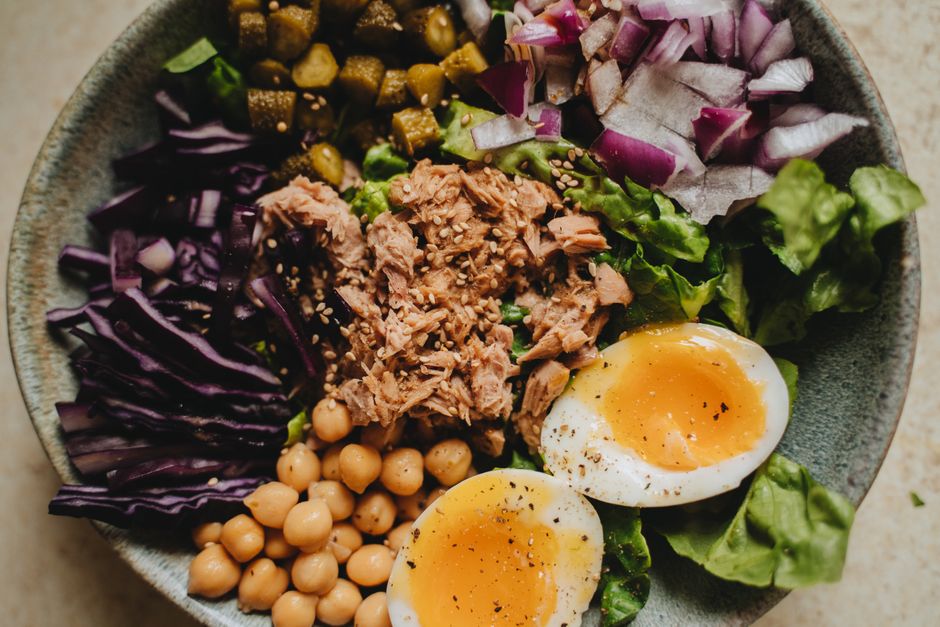
Ahi tuna is not fattening. A standard 3-ounce serving of grilled ahi tuna has about 130 calories and less than 2 grams of fat. It is a lean source of protein that can fit into almost any diet. The real question is how you prepare it and what you eat with it. That is where most people get into trouble.
How Many Calories and Fat Does Ahi Tuna Actually Have?
A 3-ounce portion of raw ahi tuna contains roughly 130 calories. The same amount of cooked ahi has around 150 calories. Fat content is very low at about 1 to 2 grams per serving. Almost none of that fat is saturated.
For comparison, a 3-ounce beef steak has about 250 calories and 15 grams of fat. Chicken breast without skin has about 140 calories and 3 grams of fat. Ahi tuna is similar to chicken in calorie density but lower in total fat.
The protein content is what makes ahi filling. A 3-ounce serving provides about 25 grams of protein. Protein takes more energy to digest than carbs or fat. This means your body burns more calories processing protein than it does processing other nutrients.
Research published in the American Journal of Clinical Nutrition has shown that high-protein meals increase satiety and reduce overall calorie intake later in the day. Ahi tuna is one of the leanest protein sources available. It is hard to call any food with this nutritional profile fattening.
Does the Way You Prepare Ahi Tuna Change Its Calories?
Yes. Preparation method is the single biggest factor that determines whether ahi tuna becomes fattening or stays lean.
Grilled, seared, or raw ahi tuna retains its low calorie and fat profile. A seared ahi steak with minimal oil stays under 200 calories per serving. Sashimi or poke bowls made with lean ahi are similarly low in calories.
Frying changes everything. Ahi tuna that is battered and deep-fried absorbs significant oil. A 3-ounce piece of fried ahi can have 300 to 400 calories and 20 grams of fat or more. That is more than double the calories of grilled ahi.
Sauces and dressings are another hidden source of calories. A typical spicy mayo sauce adds about 100 calories per tablespoon. Soy sauce based marinades add minimal calories. Creamy sauces with oil or mayonnaise add substantial calories.
The cooking method matters more than the fish itself. Ahi tuna is not fattening. Fried ahi with creamy sauce can be.
What About Mercury and Other Health Concerns?
Mercury content is a legitimate concern with ahi tuna. Ahi is a large predatory fish. Larger fish accumulate more mercury in their tissues over time.
The FDA categorizes ahi tuna as a “high mercury” fish. They recommend limiting consumption to one serving per week for most adults. Pregnant women and young children should avoid it entirely or eat it very rarely.
Mercury exposure is not a weight gain issue. It is a neurological health issue. High mercury levels can cause problems with memory, coordination, and nerve function. This is separate from whether ahi tuna is fattening.
Some people worry about omega-3 fatty acids in ahi. Ahi tuna does contain omega-3s, but less than smaller fatty fish like salmon or sardines. A 3-ounce serving of ahi provides about 200 to 300 milligrams of omega-3s. The American Heart Association recommends 1,000 milligrams per day. Ahi contributes to that goal but is not the best source.
The bottom line on health concerns is portion control and frequency. Eating ahi once a week is fine for most people. Eating it daily is not recommended due to mercury, not calories.





How Does Ahi Tuna Compare to Other Protein Sources?
| Protein Source (3 oz cooked) | Calories | Fat (g) | Protein (g) |
|---|---|---|---|
| Ahi tuna (grilled) | 150 | 2 | 25 |
| Chicken breast (skinless) | 140 | 3 | 26 |
| Salmon (Atlantic) | 175 | 10 | 22 |
| Beef sirloin steak | 250 | 15 | 26 |
| Pork chop (lean) | 180 | 8 | 24 |
| Tofu (firm) | 70 | 4 | 8 |
Ahi tuna is one of the leanest animal protein options available. It has fewer calories than salmon, beef, and pork. It is nearly identical to skinless chicken breast in calorie and fat content.
The difference in fat between ahi and salmon is substantial. Salmon has five times more fat per serving. That fat is mostly healthy unsaturated fat, but it still adds calories. If you are trying to reduce calorie density, ahi is a better choice than salmon.
Tofu is lower in calories but also much lower in protein per serving. You would need to eat twice as much tofu to get the same protein as ahi. That matters for satiety and muscle maintenance.
Is Ahi Tuna Fattening in Poke Bowls and Sushi?
Poke bowls and sushi rolls can be healthy or fattening depending entirely on what else is in the bowl or roll.
A basic poke bowl with ahi tuna, rice, vegetables, and a light soy based dressing is a balanced meal. It provides protein, carbohydrates, and vegetables. The calorie count for a standard poke bowl is around 500 to 600 calories. That is reasonable for a meal.
Problems arise when poke bowls include fried toppings like tempura flakes or crispy onions. These add significant calories and fat without much nutritional value. A single tablespoon of tempura flakes adds about 30 calories and 2 grams of fat.
Creamy sauces are the biggest calorie trap in poke bowls. Spicy mayo, eel sauce, and sesame oil based dressings can add 200 to 400 calories to a bowl. Many restaurant poke bowls have 800 to 1,000 calories because of these additions.
Sushi rolls with ahi tuna vary widely. A simple tuna roll with rice and seaweed has about 200 calories for six pieces. A spicy tuna roll with mayo has about 300 calories. A tempura fried tuna roll can have 400 to 500 calories.
The ahi tuna itself is never the problem. The added ingredients are what make the dish fattening.
Common Misconceptions About Ahi Tuna and Weight Gain
One common myth is that ahi tuna causes water retention due to its sodium content. Fresh ahi tuna is naturally low in sodium with about 40 milligrams per serving. Canned tuna is higher in sodium because salt is added during processing. Fresh ahi does not cause water retention.
Another misconception is that eating fish makes you gain weight because of fish oil. Fish oil supplements are high in calories, but whole fish is not. The small amount of fat in ahi tuna is negligible in the context of a full diet.
Some people believe that raw fish is harder to digest and causes bloating. There is no evidence that raw ahi tuna is harder to digest than cooked tuna. Properly handled raw fish is safe and digestible for most people.
A third misconception is that ahi tuna is “too high in protein” and that excess protein turns into fat. Protein can be converted to fat if you eat far more calories than you burn. But this is true of any macronutrient. Protein is actually the least likely macronutrient to be stored as fat because it has the highest thermic effect.
The calorie density of ahi tuna is low. You would have to eat a very large amount to get enough calories to cause weight gain. A typical serving is 3 to 4 ounces. Most people eat less than that in a single meal.
What to Avoid When Eating Ahi Tuna for Weight Management
Avoid heavy sauces and fried preparations. These add calories faster than almost anything else. A simple seared ahi steak with a squeeze of lemon is under 200 calories. The same piece of fish battered and fried with tartar sauce can exceed 500 calories.
Avoid oversized portions. Restaurant servings of ahi tuna can be 6 to 8 ounces or more. That doubles the calories of a standard serving. Stick to 3 to 4 ounces per meal.
Avoid pairing ahi with high calorie sides. French fries, creamy coleslaw, and buttery rice add significant calories. Choose vegetables, a small portion of rice, or a side salad with light dressing instead.
Avoid canned ahi packed in oil. Canned ahi packed in water has about 120 calories per 3-ounce serving. Canned ahi packed in oil has about 180 calories. The difference is small but adds up if you eat it regularly.
Avoid eating ahi tuna daily. The mercury concern limits frequency to once per week for most people. This naturally limits how much you can eat, which helps with calorie control.
Frequently Asked Questions
Is ahi tuna good for weight loss?
Yes. Ahi tuna is low in calories and high in protein, which helps you feel full longer. It can support weight loss when prepared without heavy sauces or frying.
How many calories are in ahi tuna sushi?
A standard six-piece tuna roll has about 200 calories. A spicy tuna roll has about 300 calories due to the mayonnaise in the filling.
Can you eat ahi tuna every day?
No. Ahi tuna is high in mercury, and the FDA recommends limiting it to one serving per week for most adults. Daily consumption could lead to mercury buildup.
Does ahi tuna have more protein than chicken?
Ahi tuna and skinless chicken breast have nearly identical protein content at about 25 grams per 3-ounce serving. Both are excellent lean protein sources.
