
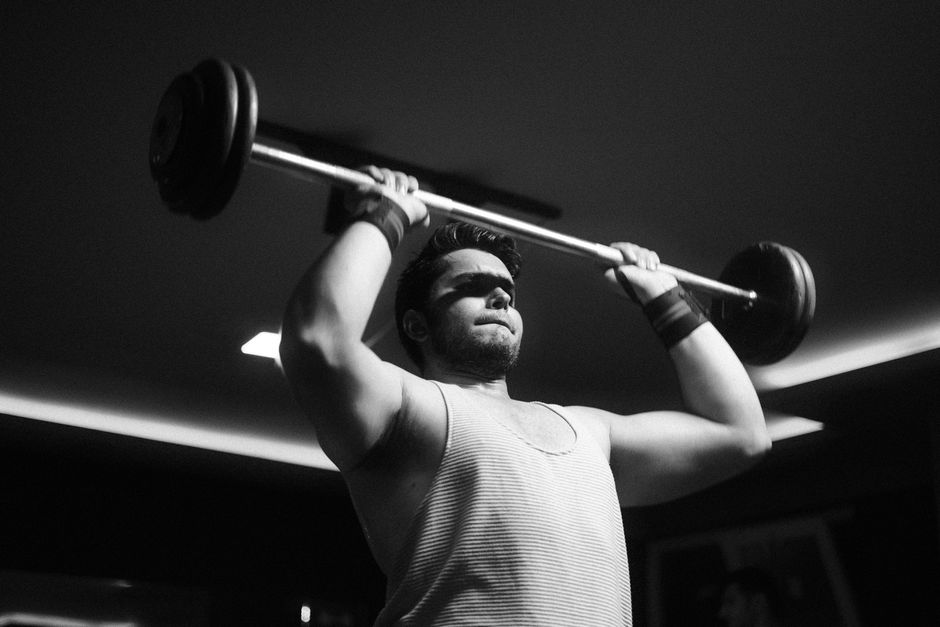
Ashwagandha is an adaptogenic herb that some research suggests may support strength gains, muscle growth, and recovery in people who lift weights. The evidence is promising but not overwhelming, and the effects are modest compared to the fundamentals of training and nutrition. It appears to work primarily by reducing stress and supporting healthy testosterone levels, though the research on this is not definitive.
What Does Ashwagandha Do For Lifting And Gains?
Ashwagandha, also known as Withania somnifera, has been used in Ayurvedic medicine for centuries. In recent years, it has become one of the most popular supplements in the fitness world. The question is whether the science backs up the hype.
Research published in the Journal of the International Society of Sports Nutrition found that men who took ashwagandha for eight weeks while doing resistance training gained significantly more muscle strength and size compared to a placebo group. The study also reported greater increases in testosterone and decreases in body fat percentage in the ashwagandha group.
Other studies have shown similar results. A separate trial found that ashwagandha supplementation improved bench press and leg extension strength in recreationally trained men. These findings are encouraging, but they come from relatively small studies. Larger, more rigorous trials are needed to confirm the effects.
The key takeaway is that ashwagandha may support your lifting goals, but it is not a magic pill. It will not replace consistent training, adequate protein, or proper sleep.
How Does Ashwagandha Work in the Body?
Ashwagandha is classified as an adaptogen. Adaptogens are substances that are thought to help the body resist physical and mental stress. The proposed mechanisms behind ashwagandha’s effects on lifting are tied to this stress response.
When you train hard, your body releases cortisol, a stress hormone. Chronically elevated cortisol can interfere with muscle recovery and may contribute to muscle breakdown. Some research suggests that ashwagandha can lower cortisol levels, which may create a better environment for muscle repair and growth.
The herb also appears to influence testosterone. Several studies have reported modest increases in testosterone levels in men taking ashwagandha. Testosterone is a primary hormone involved in muscle protein synthesis, so even a small increase could theoretically support gains over time.
However, the exact mechanisms are not fully understood. Most of the research has been done on men, and it is unclear whether women experience the same benefits. The studies are also short-term, so the long-term effects remain unknown.
What Does the Research Actually Show?
It is important to separate what the research shows from what supplement companies claim. The evidence base for ashwagandha and lifting is real but limited.
One of the most cited studies involved 57 men between the ages of 18 and 50 who had some resistance training experience. They took either 600 mg of ashwagandha daily or a placebo for eight weeks. By the end of the study, the ashwagandha group showed significantly greater gains in muscle strength on the bench press and leg extension exercises. They also had greater increases in arm and chest muscle size, and their testosterone levels were higher than the placebo group.
Another study focused on body composition. Researchers found that men taking ashwagandha lost more body fat and gained more lean muscle mass compared to those taking a placebo. The effect was modest but statistically significant.
Some studies have also looked at recovery. Ashwagandha has been shown to reduce markers of muscle damage and perceived soreness after exercise. This could allow lifters to train more frequently or at higher intensity.
That said, not all studies show benefits. Some research has found no significant difference between ashwagandha and placebo for strength or body composition. The evidence is mixed, and the positive results have not been consistently replicated across all trials.





What Dose of Ashwagandha Is Used in Studies?
Most of the research on ashwagandha and lifting has used a dose of 600 mg per day. This is typically divided into two doses of 300 mg taken with meals. The studies have generally used a standardized extract, which means the amount of active compounds is consistent from batch to batch.
The active compounds in ashwagandha are called withanolides. Most standardized extracts contain about 5 percent withanolides. This standardization is important because the concentration of withanolides can vary widely between different products.
It is worth noting that ashwagandha can take several weeks to build up in your system. The studies that showed positive results typically ran for eight to twelve weeks. Do not expect immediate effects from a single dose.
There is no official clinical guideline for ashwagandha dosing. The 600 mg dose used in studies is a reasonable reference point, but individual responses can vary. It is always wise to start with a lower dose to see how your body responds.
Are There Any Side Effects or Risks?
Ashwagandha is generally considered safe for healthy adults when taken at the doses used in research. The most commonly reported side effects are mild and include stomach upset, nausea, and drowsiness.
However, there are some important precautions. Ashwagandha can interact with certain medications, including thyroid hormone replacement, immunosuppressants, and medications for diabetes or high blood pressure. If you take any prescription medication, talk to your doctor before adding ashwagandha.
The herb is not recommended for pregnant women because it may cause uterine contractions. There is no reliable safety data for breastfeeding mothers, so it is best to avoid it during that time as well.
People with autoimmune conditions should also be cautious. Ashwagandha may stimulate the immune system, which could worsen conditions like rheumatoid arthritis or lupus. The evidence here is limited, but the theoretical risk is worth considering.
Is Ashwagandha Better Than Other Supplements for Lifting?
Ashwagandha is often compared to creatine, which is the most researched supplement for strength and muscle gain. The comparison is not really fair because they work through completely different mechanisms.
Creatine has decades of research behind it and consistently shows benefits for strength, power, and muscle mass. The evidence for creatine is far stronger than the evidence for ashwagandha. If you are looking for a supplement with proven effects on lifting performance, creatine is the better choice.
Ashwagandha is different. Its primary value may be in managing stress and supporting recovery rather than directly enhancing performance in the gym. A lifter who is chronically stressed and not sleeping well might benefit more from ashwagandha than a well-rested lifter with good recovery habits.
These two supplements are not mutually exclusive. Some lifters take both, and there is no known interaction between them. But if you are choosing between the two, the research clearly favors creatine for direct performance benefits.
Who Should Consider Taking Ashwagandha?
Ashwagandha may be worth considering if you are a lifter who struggles with stress, poor sleep, or slow recovery. The research on stress reduction is actually stronger than the research on muscle gain. Several studies have found that ashwagandha can lower cortisol levels and improve perceived stress and anxiety.
If your training is going well and you recover easily, ashwagandha is unlikely to provide a noticeable boost. The benefits appear to be most pronounced in people who are under significant stress or who have elevated cortisol levels.
It is also worth considering your training status. The studies on ashwagandha and lifting have mostly involved men with some training experience, not complete beginners. Beginners tend to make rapid gains regardless of supplementation, so the effects of ashwagandha may be harder to detect in this population.
Ultimately, ashwagandha is a supplement, not a solution. It should be viewed as a small piece of the puzzle, not the foundation of your program.
What Should You Look For When Buying Ashwagandha?
If you decide to try ashwagandha, product quality matters. The supplement industry is not tightly regulated, and the amount of active ingredients can vary significantly between brands.
Look for a product that specifies the withanolide content on the label. A standardized extract with around 5 percent withanolides is consistent with what has been used in research. Avoid products that do not disclose this information.
Third-party testing is another sign of quality. Brands that have their products tested by independent laboratories are more likely to deliver what is on the label. Look for certifications from organizations like NSF International or USP.
Be wary of products that make bold claims or promise rapid muscle growth. No supplement can do that, and ashwagandha is no exception. A reputable product will make modest claims and provide transparent labeling.
Frequently Asked Questions
How long does it take for ashwagandha to work for lifting?
Most studies show noticeable effects after eight to twelve weeks of daily use. Some people report improved sleep and reduced stress within a few weeks, but muscle and strength changes take longer.
Can ashwagandha increase testosterone?
Some studies have found modest increases in testosterone levels in men taking ashwagandha. The effect appears to be small and may be related to reductions in cortisol and stress.
Should I take ashwagandha before or after my workout?
Timing does not appear to be critical. The studies that showed benefits used a daily dose of 600 mg split into two servings, usually taken with meals. Consistency matters more than timing around your workout.
Is ashwagandha safe to take every day?
Ashwagandha is generally considered safe for healthy adults when taken daily at the doses used in research. If you take prescription medications or have an underlying health condition, talk to your doctor first.
