
Rabies is a viral infection that attacks the brain and spinal cord. Once symptoms appear, it is almost always fatal. The disease moves through distinct stages, from a flu-like illness to neurological symptoms like confusion and agitation, then to coma and death. Death typically occurs within days of severe symptoms starting, often from respiratory failure.
What Happens After A Rabies Bite?
The rabies virus enters the body through a bite or scratch from an infected animal. It does not cause immediate illness. The virus travels slowly through nerves toward the brain, which is why the incubation period can last weeks or even months.
The time between exposure and first symptoms depends on where the bite is. Bites on the head or neck reach the brain faster than bites on the hands or feet. Deeper bites with more saliva exposure also shorten the incubation period. On average, symptoms appear within 1 to 3 months after exposure.
During this incubation phase, the person feels completely normal. The wound may heal without any sign of infection. This silent period is dangerous because people may not seek medical care in time. Once the virus reaches the brain, treatment is no longer effective.
What Are The First Symptoms Of Rabies?
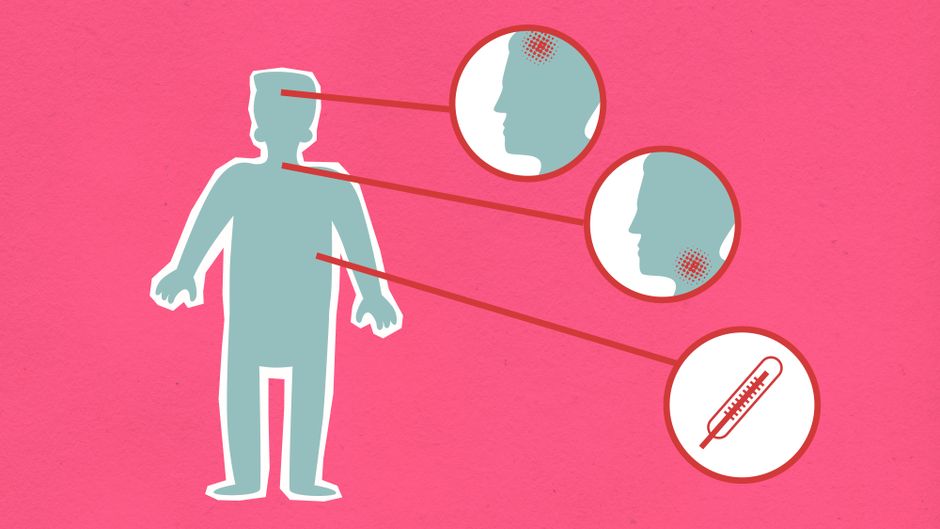
The first symptoms of rabies are vague and easy to mistake for other illnesses. Most people experience fever, headache, fatigue, and a general feeling of being unwell. These symptoms can last for 2 to 10 days.
There is one early sign that is more specific to rabies. Many people feel tingling, itching, or pain at the site of the bite wound, even after the wound has healed. This happens because the virus is multiplying in the nerves near the bite. Not everyone experiences this, but when it appears alongside flu-like symptoms and a known animal bite, it is a strong warning sign.
At this stage, the person may also feel anxious or restless without knowing why. These early symptoms are often dismissed as stress or a common cold. That is why any animal bite from a wild or unvaccinated animal requires immediate medical attention, even if the person feels fine.
What Rabies Does To A Person Symptoms To Death
Once the virus reaches the brain, it causes encephalitis, which is inflammation of the brain. This is the point of no return. The neurological phase of rabies brings dramatic and frightening symptoms.
The person becomes confused, agitated, and may hallucinate. They often experience hydrophobia, an intense fear of water. Attempting to drink causes painful spasms in the throat and diaphragm. Even the sight or sound of water can trigger these spasms. Aerophobia, fear of drafts or fresh air, is also common and can be one of the earliest neurological signs.
As the disease progresses, the person develops excessive salivation and frothing at the mouth. The throat muscles spasm, making swallowing impossible. The person may become aggressive or combative, though some become paralyzed and withdrawn instead. This furious form of rabies is more common, but a paralytic form also exists where the person gradually loses muscle function without the classic agitation.
Within days of these neurological symptoms starting, the person slips into a coma. The brain loses the ability to regulate breathing, heart rate, and blood pressure. Death usually occurs from respiratory failure or cardiac arrest, typically within 7 to 14 days of the first neurological symptoms.




How Is Rabies Transmitted?
Rabies is transmitted through the saliva of an infected animal. The most common route is a bite that breaks the skin. Less commonly, the virus can enter through a scratch, an open wound, or contact between infected saliva and mucous membranes like the eyes, nose, or mouth.
In the United States, bats are the leading source of rabies infections in humans. Many people do not realize they were bitten because bat bites are tiny and may not be noticed. Raccoons, skunks, and foxes are also common carriers. In other parts of the world, dog bites cause the vast majority of human rabies cases.
Rabies is not transmitted through blood, urine, or feces. It is not spread through casual contact like touching or being near an infected person. The virus does not survive long outside the body and is easily destroyed by soap, sunlight, and drying.
Can Rabies Be Treated Before Symptoms Start?
Yes. Rabies is nearly 100% preventable if treatment begins promptly after exposure. The treatment is called post-exposure prophylaxis, or PEP. It consists of a dose of rabies immune globulin and a series of rabies vaccine shots.
The immune globulin provides immediate antibodies at the wound site. The vaccine trains the body to produce its own antibodies. Together, they stop the virus before it reaches the brain. The vaccine is given as a series of injections over 14 days. It is safe for pregnant women and people with weakened immune systems.
PEP is highly effective when given before symptoms appear. The key is timing. The sooner treatment begins after a bite, the better the outcome. Even if days or weeks have passed, PEP is still recommended as long as the person has no symptoms. Once neurological symptoms begin, PEP is no longer effective.
There is a rare treatment protocol called the Milwaukee protocol that has saved a few patients who developed symptoms. It involves induced coma and antiviral drugs. However, the survival rate is extremely low, and the protocol is not considered a reliable treatment. The overwhelming majority of people who develop rabies symptoms die.
How Long After A Bite Do Rabies Symptoms Appear?
The incubation period for rabies ranges from a few weeks to over a year. Most cases show symptoms within 1 to 3 months. The average is about 2 months.
Several factors influence this timeline. Bites closer to the brain, such as on the face or neck, progress faster. Bites on the extremities, like hands or feet, take longer because the virus must travel farther along the nerves. The amount of virus introduced into the wound also matters. A deep bite from an animal with high saliva viral load shortens the incubation period.
Children are at higher risk for faster progression because their shorter height means bites are more often on the head and neck. The severity of the wound and the species of animal also play a role. There is no reliable way to predict the exact incubation period for any individual case.
How Is Rabies Diagnosed?
Diagnosis is difficult before symptoms appear. During the incubation period, the virus is not detectable in blood tests. Doctors rely on the history of exposure and the animal’s risk status.
If the biting animal can be captured, it is tested for rabies. The animal is euthanized and its brain tissue is examined under a microscope. This is the most reliable diagnostic method. If the animal tests negative, no treatment is needed. If it tests positive, PEP is started immediately.
Once symptoms develop, diagnosis is based on clinical signs. The combination of neurological symptoms and a history of animal exposure is enough for a presumptive diagnosis. Laboratory confirmation is possible through saliva samples, skin biopsies, or spinal fluid tests, but treatment decisions cannot wait for results.
How Can Rabies Be Prevented?
Prevention starts with avoiding exposure. Do not approach or handle wild animals, especially bats, raccoons, skunks, and foxes. Keep pets vaccinated against rabies and do not allow them to roam freely. Secure trash cans and eliminate food sources that attract wildlife to your property.
If you are bitten by any animal, wash the wound immediately with soap and water for at least 15 minutes. This simple step significantly reduces the amount of virus in the wound. Then seek medical care right away, even if the wound seems minor. A doctor will assess the risk and decide whether PEP is needed.
People at high risk of exposure, such as veterinarians, animal handlers, and travelers to high-risk regions, may receive pre-exposure vaccination. This does not eliminate the need for PEP after a bite, but it simplifies the treatment and provides an extra layer of protection.
Rabies is a terrifying disease because of its near-certain fatality once symptoms appear. But it is also one of the most preventable infections known to medicine. The difference between life and death is acting quickly after a bite.
Frequently Asked Questions
How long does it take for rabies to kill a person?
Death typically occurs within 7 to 14 days after neurological symptoms begin. The total time from bite to death usually ranges from 1 to 3 months, depending on the bite location and virus dose.
Can a person survive rabies without treatment?
Survival without treatment is extremely rare and almost never occurs. Once symptoms appear, the disease is nearly always fatal regardless of treatment.
What does rabies do to the brain?
Rabies causes severe inflammation of the brain called encephalitis. This inflammation disrupts normal brain function, leading to confusion, agitation, hallucinations, and eventually coma and death.
How soon after a dog bite should you get a rabies shot?
You should seek medical care immediately after any animal bite. Post-exposure prophylaxis is most effective when started within 24 to 48 hours, but it is still recommended even if days or weeks have passed.
