
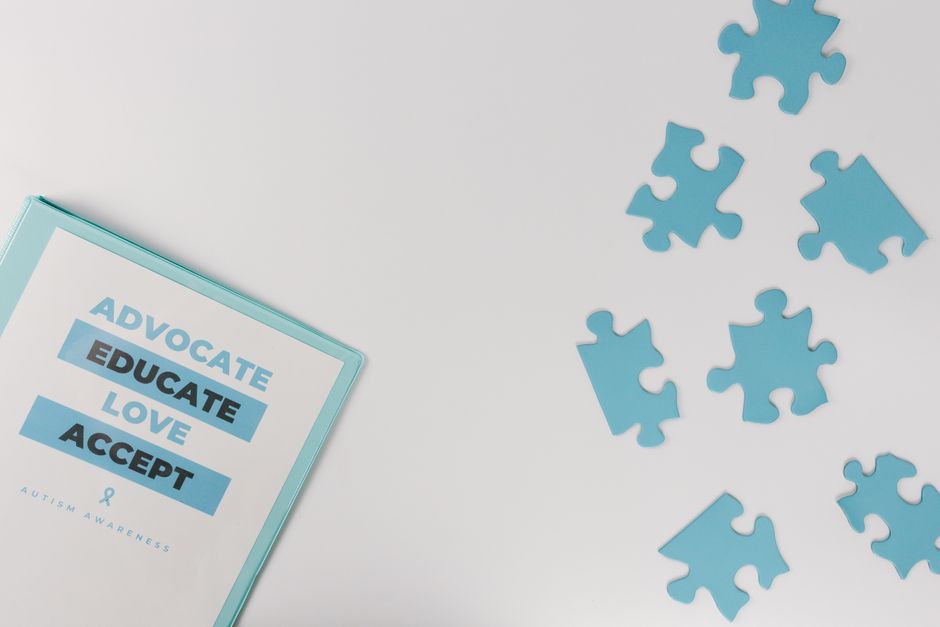
Autism is a neurodevelopmental condition, and the question of whether it can appear after birth is one that causes a lot of confusion. The short answer is that autism is present from early brain development, but it is often not diagnosed until later. The condition itself does not develop in a child who previously had a typical developmental trajectory; rather, the signs become recognizable as a child grows and fails to meet certain social and communication milestones. This article explains what science shows about when autism begins and why it can seem to appear later in life.
What Does Science Say About When Autism Begins?
Autism is considered a condition of brain development that starts before birth. Research consistently shows that the biological foundations of autism are established during prenatal development. This means the brain develops differently from a very early stage, often before a child is even born.
However, the behavioral signs of this different brain development usually do not become obvious until a child is between 12 and 24 months old. This is the period when social communication skills, like pointing, gesturing, and using single words, typically emerge. When these skills are delayed or absent, it is often the first clear signal that a child may be autistic.
Some children appear to develop typically for the first year or so and then experience a loss of already acquired skills, such as words or social babbling. This is sometimes called regression. But even in these cases, the underlying brain difference was likely present from the start, even if the signs only became apparent after the developmental setback.
Is It Possible to “Catch” Autism From the Environment?
No. Autism is not contagious, and it cannot be caught from the environment, a vaccine, an illness, or a parenting style. The scientific consensus is clear on this point. Decades of research have ruled out vaccines as a cause of autism, and no study has ever found a link between a specific environmental exposure after birth and the onset of autism.
Genetics play a major role. Hundreds of genes have been associated with autism, and in many cases, the condition runs in families. In other cases, spontaneous genetic mutations that occur during conception or early fetal development can contribute. These are not caused by anything a parent did or did not do.
Some environmental factors during pregnancy, such as certain infections or exposure to specific medications, have been linked to a higher likelihood of autism. But these are prenatal factors. They do not explain the condition appearing after birth.
Why Does Autism Seem to Appear Suddenly?
Autism can seem to appear suddenly because the diagnosis is based on observable behaviors, not on a blood test or brain scan. The brain difference is present from early on, but the behavioral evidence of that difference takes time to become visible.
Think of it like a child’s height. A child is not tall or short only at a specific age. The growth pattern is established early, but it becomes measurable over time. Similarly, the social and communication differences in an autistic child become measurable as those skills are expected to develop.
A child who is diagnosed at age 3 or 4 was not “normal” at age 1 and then “autistic” at age 3. The developmental trajectory was different all along. The diagnosis simply becomes possible when the gap between expected skills and actual skills is wide enough to be recognized.





Can Autism Develop in a Teenager or Adult?
Autism does not develop in a teenager or an adult who had no signs of it earlier in life. However, many adults are diagnosed with autism for the first time in their 30s, 40s, or later. This is not because the condition appeared late. It is because the signs were missed or misinterpreted earlier.
This happens more often in people who are verbal and have average or above-average intelligence. Their early social difficulties may have been attributed to shyness, anxiety, or personality traits. The diagnosis is delayed, but the condition itself was always there.
Some research suggests that a small number of people who were diagnosed with autism in childhood no longer meet the diagnostic criteria as adults. This is a debated area. Some individuals learn to mask their traits so effectively that they do not appear autistic on standard assessments. Others may have had a different condition entirely. The evidence does not support the idea that autism goes away or that it appears anew.
What Are the First Signs Parents Should Watch For?
Parents often wonder what early signs look like. Missing developmental milestones is the most reliable early indicator. These milestones include social smiling, making eye contact, responding to one’s name, and using gestures like pointing.
Specific concerns include a lack of babbling by 12 months, no single words by 16 months, no two-word phrases by 24 months, and a loss of any language or social skills at any age. A child who does not show interest in other children or who does not engage in pretend play may also be showing early signs.
It is important to note that every child develops at their own pace. A single missed milestone does not mean a child has autism. But a consistent pattern of delays across multiple areas of development warrants a conversation with a pediatrician.
How Is Autism Diagnosed?
Autism is diagnosed through a comprehensive developmental evaluation. This is typically done by a team that may include a pediatrician, a child psychologist, a speech-language pathologist, and an occupational therapist. The evaluation involves observing the child’s behavior, interviewing the parents about the child’s developmental history, and using standardized assessment tools.
There is no medical test for autism. Blood tests, genetic tests, and brain scans cannot diagnose the condition. They may be used to rule out other conditions, but the diagnosis is made based on behavior and development.
Early diagnosis matters. Early intervention services, such as speech therapy and behavioral support, are most effective when started as young as possible. If a parent has concerns, they should not wait. A developmental screening can be done at any well-child visit.
Frequently Asked Questions
Can a child suddenly become autistic at age 3?
No. The brain differences that cause autism are present from early development, but the signs may only become noticeable around age 3 when social and communication demands increase.
Can autism be caused by bad parenting or neglect?
No. Research has firmly ruled out parenting style as a cause of autism. Autism is a neurodevelopmental condition with strong genetic and biological roots.
Do vaccines cause autism?
No. Extensive research has found no link between vaccines and autism. The original study that suggested a link was retracted due to serious scientific misconduct.
Can autism appear in adulthood after a traumatic event?
No. Trauma does not cause autism. A person may receive a first diagnosis in adulthood after recognizing lifelong traits, but the condition was present from early childhood.
