
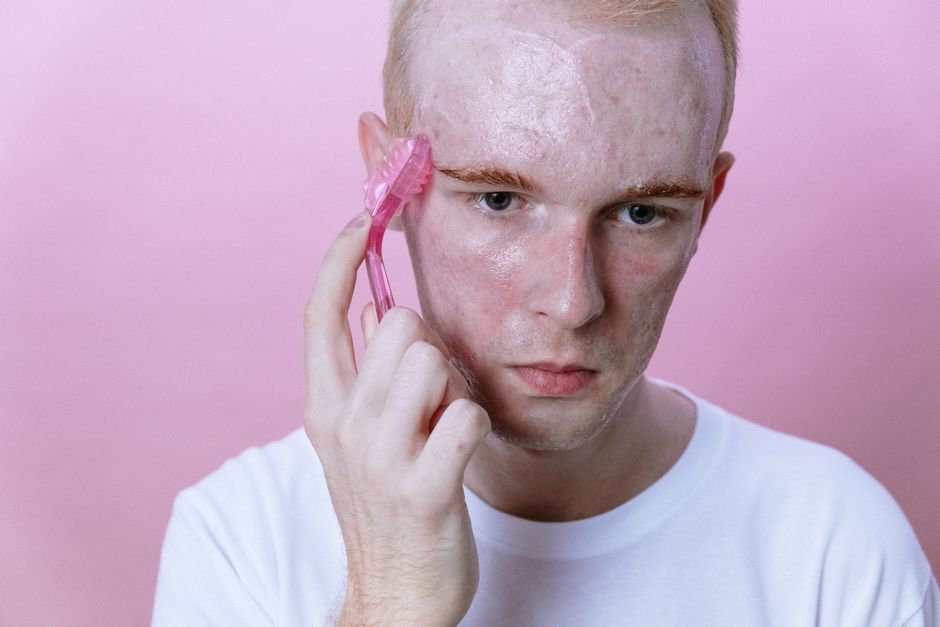
Acne is a chronic inflammatory skin condition, not a phase that everyone simply outgrows. For many people, it persists well into their 30s, 40s, and even 50s. The reason acne keeps coming back comes down to biology: your skin’s oil glands, hormones, and bacteria interact in ways that can stay active for decades. Understanding why it recurs is the first step to treating it like the long-term condition it actually is.
What Makes Acne a Chronic Condition?
Acne is classified as a chronic inflammatory disease of the pilosebaceous unit — the hair follicle and its attached oil gland. Chronic means it lasts for months or years and tends to flare and fade in cycles. This is not a temporary teenage problem for a large portion of the population.
Research consistently shows that acne can persist into adulthood. Some studies suggest that a significant percentage of women in their 30s and 40s continue to experience active breakouts. The condition is not just about clogged pores; it involves ongoing inflammation in the skin that can be triggered repeatedly by internal and external factors.
Treating acne like a temporary issue often leads to failure. If you stop treatment once your skin clears, the underlying process that causes acne is still there. The condition is managed, not cured, in most cases.
Why Does Acne Keep Coming Back After Treatment?
The most common reason acne returns is that the treatment was stopped too soon or the underlying cause was never fully addressed. Acne treatment works by suppressing the processes that cause breakouts — excess oil production, dead skin cell buildup, bacterial growth, and inflammation. When you stop, those processes resume.
Hormones play a central role. Androgens, which are present in both men and women, stimulate the sebaceous glands to produce more oil. This hormonal drive does not disappear after adolescence. For women, monthly menstrual cycles cause natural fluctuations in hormone levels that can trigger breakouts even when skin has been clear for weeks.
Another reason for recurrence is that many over-the-counter products only treat the surface of the skin. They may dry out existing pimples but do not address the deeper inflammation or hormonal signals that cause new ones to form. The result is a cycle where skin clears temporarily, then flares again.
How Hormones Drive Recurring Breakouts
Hormones are the primary driver of acne for most adults, especially women. Androgens cause the sebaceous glands to enlarge and produce more sebum. This extra oil mixes with dead skin cells and can block the follicle opening.
In women, the drop in estrogen and progesterone before menstruation can make the skin more sensitive to androgens. This is why many women notice breakouts appearing in the week before their period. This pattern can continue for decades, well past the teenage years.
Conditions like polycystic ovary syndrome (PCOS) cause higher-than-normal androgen levels, which leads to persistent, treatment-resistant acne. If your acne is severe, appears suddenly in adulthood, or comes with irregular periods, it is worth discussing hormonal testing with a doctor. This is a case where biological reasoning aligns with clinical practice — elevated androgens are a well-established cause of acne.





Is Acne Chronic Why It Keeps Coming Back — The Role of Bacteria and Inflammation
The bacteria Cutibacterium acnes (formerly Propionibacterium acnes) lives on everyone’s skin. It is not an infection you catch; it is part of your normal skin flora. The problem occurs when a pore becomes blocked. The bacteria multiply inside the blocked follicle and trigger an immune response.
That immune response is inflammation — the redness, swelling, and pain you see with pimples. Even after a pimple heals, the inflammatory process can leave behind marks and, in deeper cases, scars. The inflammation is not just a symptom; it is part of the disease process itself.
This explains why acne is not simply a hygiene issue. Washing your face more aggressively does not remove the bacteria from deep inside the follicle, and it can actually worsen inflammation by irritating the skin. The bacteria are always there. What changes is whether the follicle becomes blocked and whether your immune system overreacts.
What Actually Works for Long-Term Control
Long-term control requires treating the mechanisms that cause acne, not just the pimples you can see. This usually means using treatments consistently, even when your skin is clear.
Topical retinoids are the backbone of acne maintenance therapy. They work by normalizing the shedding of dead skin cells inside the follicle, preventing blockages before they form. Benzoyl peroxide reduces bacterial counts and helps prevent resistance when used alongside antibiotics. For women, certain birth control pills or spironolactone can reduce the hormonal drive behind breakouts.
Consistency matters more than intensity. Using a gentle cleanser, a non-comedogenic moisturizer, and your prescribed treatment every day is more effective than aggressive scrubbing or spot-treating only when pimples appear. The evidence for this approach is strong — dermatologists have used this combination strategy for decades with well-documented results.
It is important to note that most acne treatments take 8 to 12 weeks to show meaningful improvement. If you stop after a few weeks because you do not see results, you have not given the treatment a fair chance. Patience and consistency are not just advice; they are clinically necessary for the treatment to work.
When to See a Dermatologist
If over-the-counter products have not controlled your acne after several months, or if you have deep, painful nodules or scarring, a dermatologist can offer prescription options that are more effective.
Oral antibiotics can reduce inflammation and bacterial counts, but they are generally used for short periods, not as long-term therapy. Isotretinoin is the most effective treatment for severe, scarring acne, but it requires close medical monitoring due to potential side effects. For women with hormonal acne, spironolactone or combined oral contraceptives are common off-label or indicated treatments that target the hormonal root cause.
A dermatologist can also help you distinguish between acne and other skin conditions that look similar, such as folliculitis or rosacea. These conditions require different treatments, and using the wrong one can make things worse. If you are unsure what you are dealing with, professional diagnosis is the safest path.
Lifestyle Factors That Influence Recurrence
Diet and stress do not cause acne, but they can influence it in some people. The evidence on diet is mixed. Some studies suggest that high-glycemic foods and dairy may worsen acne in certain individuals, but the effect is not universal. If you notice a clear pattern between what you eat and your breakouts, adjusting your diet is reasonable. The evidence is not strong enough to recommend a specific anti-acne diet for everyone.
Stress is a known trigger. Stress hormones like cortisol can increase oil production and inflammation. Managing stress through sleep, exercise, or other methods may help reduce flare frequency, but it will not cure acne on its own.
Be cautious with skincare trends. Products that claim to “detoxify” the skin or remove impurities are not supported by clinical evidence. Your skin does not need detoxing. It needs consistent, evidence-based treatment that addresses the underlying biological processes.
What Happens if Acne Is Left Untreated?
Untreated acne does not necessarily get worse, but it can cause permanent damage. The most significant risk is scarring. Deep inflammatory lesions can destroy collagen in the skin, leaving pitted or raised scars that are difficult to treat later.
Post-inflammatory hyperpigmentation — dark spots left after a pimple heals — is another common result, particularly in people with darker skin tones. These marks can take months to fade and may persist if new breakouts keep occurring in the same area.
There is also a psychological impact that is often underestimated. Acne has been linked to anxiety, depression, and reduced quality of life in multiple studies. This is not vanity; it is a real consequence of a visible chronic condition. Treating acne is not just about appearance — it is about preventing physical scarring and protecting mental health.
Frequently Asked Questions
Can acne be cured permanently?
No, acne cannot be permanently cured in most people, but it can be effectively controlled with consistent treatment. The underlying tendency to develop acne remains, which is why maintenance therapy is often needed.
Why does my acne come back when I stop using products?
Acne treatments suppress the processes that cause breakouts, but they do not eliminate them. When you stop treatment, oil production, dead skin buildup, and inflammation resume, allowing acne to return.
Is adult acne different from teenage acne?
Adult acne is often more inflammatory and tends to appear on the lower face, jawline, and neck, especially in women. Hormonal fluctuations are a more significant driver in adult acne than in teenage acne.
How long should I use acne treatment before seeing results?
Most acne treatments take 8 to 12 weeks to show meaningful improvement. Consistency is essential, and stopping early is a common reason treatments appear to fail.
