
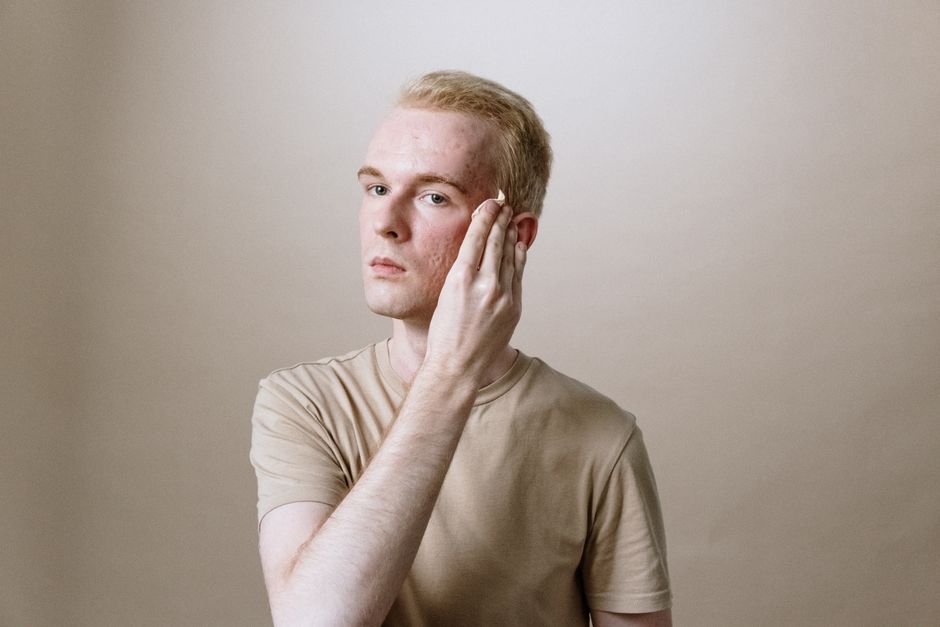
Fungal acne is not acne at all. It is a fungal infection of the hair follicles caused by yeast. The good news is that it can go away with the right treatment. The frustrating news is that it often comes back if the conditions that allowed the yeast to overgrow are not changed. Treating the infection is only half the battle; preventing the recurrence is the other half.
What Is Fungal Acne and Why Is It Different From Regular Acne?
Fungal acne is the common name for a condition doctors call pityrosporum folliculitis or Malassezia folliculitis. Despite the name, it has nothing to do with clogged pores or bacteria, which cause regular acne.
The culprit is a yeast called Malassezia. This yeast naturally lives on everyone’s skin. For most people, it causes no problems. But under certain conditions, it multiplies rapidly and moves down into the hair follicles. This causes tiny, itchy red bumps that look very similar to acne.
Regular acne forms when oil and dead skin cells clog a pore. Bacteria then grow in that blocked pore. Fungal acne forms when yeast grows inside the hair follicle itself. The treatment for one does not work for the other. In fact, using regular acne treatments on fungal acne often makes it worse because they disrupt the skin barrier further.
Why Does Fungal Acne Keep Coming Back?
The yeast that causes fungal acne thrives in warm, moist environments. It feeds on the natural oils your skin produces. If you keep providing those conditions, the yeast will keep coming back, even after successful treatment.
The most common reasons for recurrence include:
- Sweating: Exercise or hot weather leaves moisture on the skin, which encourages yeast growth.
- Tight clothing: Wearing tight, non-breathable fabrics traps sweat and heat against the skin.
- Oily skin: Malassezia feeds on sebum, the skin’s natural oil. Oily skin provides more food for the yeast.
- Antibiotic use: Antibiotics kill bacteria but do not affect yeast. They can actually allow yeast to overgrow because there is less competition from bacteria.
- Immunosuppression: People with weakened immune systems are more prone to fungal infections.
If you clear the infection but continue to exercise without showering promptly, or if you continue using heavy, oil-based skincare products, the yeast will likely return. The infection itself is treatable. The environment that caused it is the real problem.
How Long Does Fungal Acne Take to Clear?
With the correct treatment, most people see significant improvement within two to four weeks. Complete clearing may take longer, depending on how severe the infection is and how consistently you follow the treatment plan.
Treatment typically involves antifungal products. These are available over the counter or by prescription. Common options include ketoconazole shampoo, which you can use as a body wash, or topical creams containing clotrimazole or miconazole.
It is important to continue treatment for the full recommended duration, even if your skin looks better. Stopping early increases the chance that some yeast survives and the infection returns. If there is no improvement after several weeks of consistent treatment, see a dermatologist. You may need a prescription-strength antifungal or an oral medication.


How to Stop Fungal Acne From Coming Back
Preventing recurrence is about changing the conditions that allowed the yeast to overgrow in the first place. This requires consistent habits, not just a one-time treatment.
Shower promptly after exercise or any activity that makes you sweat. Do not sit in sweaty clothes. Change out of workout gear as soon as possible. When you shower, use an antifungal cleanser on the affected areas a few times per week to keep yeast levels in check.
Choose clothing that breathes. Natural fibers like cotton allow air to circulate and moisture to evaporate. Synthetic fabrics like polyester trap heat and sweat, creating the perfect environment for yeast.
Review your skincare and haircare products. Heavy creams, oils, and butters feed the yeast. Look for oil-free, non-comedogenic products, but be aware that even some non-comedogenic products contain ingredients that feed Malassezia. If you are prone to fungal acne, simpler is often better. A gentle cleanser and a light, oil-free moisturizer are usually enough.
If you need antibiotics for another condition, be aware that they may trigger a fungal acne flare. This does not mean you should avoid antibiotics when they are medically necessary. It just means you may need to be more diligent with antifungal washes during that time.
How to Tell If It Is Fungal Acne or Regular Acne
Distinguishing between fungal acne and regular acne is important because the treatments are completely different. Using the wrong treatment can delay healing and worsen the condition.
Fungal acne tends to look very uniform. The bumps are all roughly the same size and appear in clusters. They are often intensely itchy. Regular acne, on the other hand, has a mix of blackheads, whiteheads, and larger inflamed pimples. Blackheads are a sign of regular acne, not fungal acne.
Location matters too. Fungal acne commonly appears on the chest, upper back, and shoulders. It can also appear on the forehead and hairline. Regular acne can appear anywhere but is most common on the face.
If you have tried regular acne treatments like benzoyl peroxide or salicylic acid for several weeks with no improvement, fungal acne is a real possibility. These ingredients do not kill yeast. Salicylic acid can help exfoliate, but it does not address the underlying fungal overgrowth. Benzoyl peroxide can actually irritate the skin and make fungal acne worse.
When to See a Dermatologist
If over-the-counter antifungal products do not clear the infection within four to six weeks, see a dermatologist. A doctor can confirm the diagnosis by examining your skin under a microscope or by taking a skin scraping for a culture.
A dermatologist can also rule out other conditions that look similar. Folliculitis caused by bacteria, contact dermatitis, and even some types of eczema can mimic fungal acne. Getting an accurate diagnosis matters because the treatments are different.
For stubborn cases, a doctor may prescribe an oral antifungal medication. These medications work from the inside and can be very effective. They do require a prescription and monitoring because they can interact with other medications and affect the liver.
Some people mistake fungal acne for a skincare problem and keep changing products. This rarely helps. If the bumps are itchy, uniform, and not responding to regular acne treatments, a medical evaluation is the most direct path to resolution.
Do Home Remedies Work for Fungal Acne?
Some people try home remedies like tea tree oil, apple cider vinegar, or diluted bleach baths. The evidence for these is limited, and some can cause significant skin irritation.
Tea tree oil has some antifungal properties in laboratory studies. However, it is also a common cause of allergic contact dermatitis. Applying it to already irritated skin can make things worse. Apple cider vinegar is acidic and can burn or irritate the skin, especially if used undiluted. There is no good clinical evidence that it cures fungal acne.
The safest and most effective approach is to use products specifically formulated as antifungals. These are widely available and have been tested for safety and efficacy. Home remedies are not a reliable substitute. If you choose to try one, patch test it on a small area first and stop if you experience burning or increased redness.
Can Diet Affect Fungal Acne?
There is no strong evidence that diet directly causes or cures fungal acne. Malassezia feeds on skin oils, not directly on the foods you eat. However, some research suggests that diets high in sugar and refined carbohydrates may increase skin oil production, which could indirectly support yeast growth.
Some people report improvement when they reduce sugar or follow a low-glycemic diet. This is plausible but not well studied specifically for fungal acne. Eating a balanced diet is good for overall skin health, but do not expect dietary changes alone to clear an active fungal infection. You still need antifungal treatment.
Probiotics are sometimes mentioned as a prevention strategy. The idea is that healthy bacteria on the skin and gut can keep yeast in check. This is an area of active research, but there is no clinical evidence currently confirming that probiotics prevent or treat fungal acne.
Frequently Asked Questions
Does fungal acne go away on its own?
It can, but it often does not. Mild cases may clear if the triggering conditions are removed, but most people need antifungal treatment to fully resolve the infection.
What kills fungal acne fast?
Antifungal products containing ketoconazole, clotrimazole, or miconazole are the most effective options. Using an antifungal shampoo as a body wash is a common and effective approach.
Can regular acne face wash make fungal acne worse?
Yes. Regular acne washes contain ingredients that fight bacteria but do not kill yeast. Harsh ingredients can irritate the skin and disrupt the barrier, potentially making fungal acne worse.
Is fungal acne contagious?
No. Malassezia yeast lives on everyone’s skin naturally. Fungal acne is not spread from person to person through contact.
