
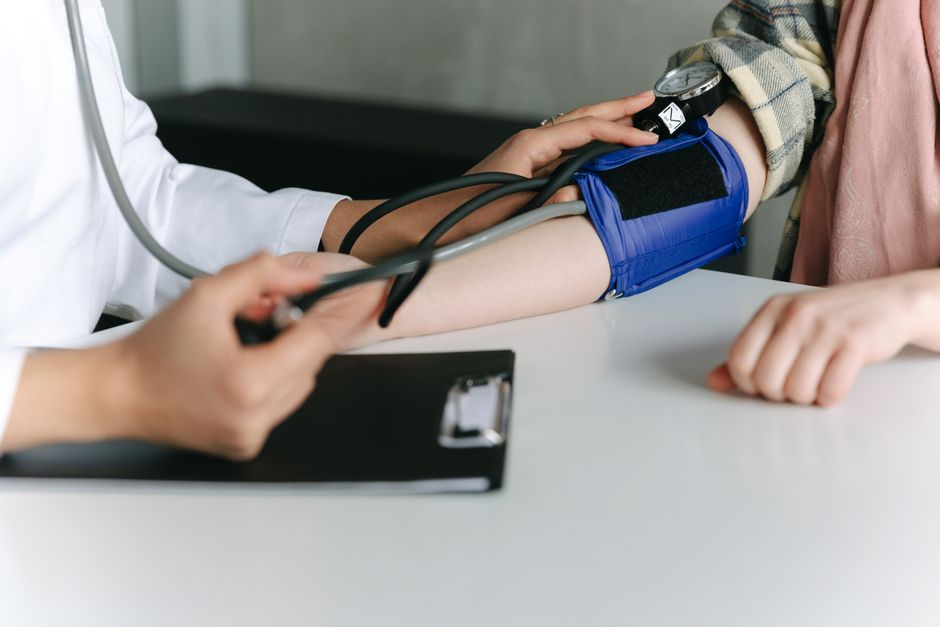
A blood pressure reading of 90/50 mmHg is considered low. For most healthy adults, this number is not a cause for concern unless it triggers symptoms. The medical term for this is hypotension, and whether it is a problem depends entirely on how your body responds to it.
Is 90/50 Low Blood Pressure Causes And Symptoms
Yes, 90/50 is low blood pressure. Normal blood pressure for most adults sits around 120/80 mmHg. The threshold for hypotension is generally considered to be a reading below 90/60 mmHg. A reading of 90/50 falls below that line.
However, the number alone does not tell the full story. Many people, especially young women and athletes, walk around with readings in the 90s over 50s and feel perfectly fine. For them, this is their normal baseline. The problem arises when this low pressure causes symptoms like dizziness, fainting, or fatigue.
Low blood pressure becomes a medical concern when it prevents enough oxygen-rich blood from reaching your brain and vital organs. This is when you experience symptoms. If you have no symptoms, doctors typically do not treat the number itself.
What Do the Numbers 90 and 50 Mean?
Blood pressure is recorded as two numbers. The top number, 90, is your systolic pressure. This measures the pressure in your arteries when your heart beats and pushes blood out. The bottom number, 50, is your diastolic pressure. This measures the pressure in your arteries when your heart rests between beats.
A diastolic reading of 50 is notably low. While the systolic number often gets more attention, a very low diastolic pressure can be a concern for some people, particularly older adults. Research has suggested that a diastolic pressure that drops too low—below 60 mmHg—may reduce blood flow to the heart muscle itself.
This is a specific area where context matters. A young, fit person with a diastolic of 50 is usually fine. An older person with heart disease and a diastolic of 50 may be at higher risk for heart issues. Your doctor evaluates these numbers in the context of your age, medications, and overall health.
Common Causes of Low Blood Pressure
Several everyday situations can cause your blood pressure to drop temporarily. Dehydration is one of the most common causes. When your body lacks sufficient water, your blood volume decreases, which lowers your blood pressure.
Other common causes include:
- Medications: Diuretics, beta-blockers, and some antidepressants can lower blood pressure.
- Pregnancy: Blood pressure often drops during the first 24 weeks of pregnancy due to hormonal changes and expanding circulation.
- Prolonged bed rest: Lying flat for long periods can reduce your body’s ability to regulate pressure when standing.
- Nutritional deficiencies: A lack of vitamin B12 or folate can cause anemia, which lowers blood pressure.
- Heat exposure: Hot weather or a hot bath causes blood vessels to dilate, which can drop pressure.
There are also medical conditions that cause chronic low blood pressure. These include endocrine disorders like adrenal insufficiency or thyroid disease, heart valve problems, and neurological conditions like Parkinson’s disease. A sudden drop in blood pressure when standing up is called orthostatic hypotension, and it is common in older adults.


When Low Blood Pressure Becomes Dangerous
Low blood pressure is dangerous when it produces symptoms that interfere with daily life or when it signals an underlying emergency. The key distinction is between asymptomatic low blood pressure and symptomatic low blood pressure.
Symptoms that warrant attention include dizziness, lightheadedness, fainting, blurred vision, nausea, cold clammy skin, rapid shallow breathing, and difficulty concentrating. If you experience these symptoms regularly, you should speak with a doctor.
Severe hypotension can be a medical emergency. This is called shock. Shock occurs when your blood pressure drops so low that your organs begin to fail from lack of oxygen. Signs of shock include confusion, weak rapid pulse, blue lips or fingertips, and loss of consciousness. This requires immediate emergency medical care.
If your reading of 90/50 is accompanied by any of these severe symptoms, do not wait to see if it passes. Seek emergency care right away.
How to Manage Low Blood Pressure at Home
If you have low blood pressure without symptoms, you generally do not need treatment. If you do have mild symptoms, some lifestyle adjustments can help. These are general strategies that many clinicians recommend, though individual responses vary.
Increase fluid intake: Drinking more water increases blood volume and can help raise blood pressure. This is especially helpful if dehydration is the cause.
Add more salt to your diet: This advice is specific to low blood pressure and should not be followed by everyone. For people with hypotension, a moderate increase in dietary salt can help. Check with your doctor first, especially if you have heart or kidney conditions.
Wear compression stockings: These tight-fitting socks help push blood from your legs back toward your heart. They are particularly useful for people who experience dizziness when standing.
Change positions slowly: When getting up from lying down, sit on the edge of the bed for a minute before standing. This gives your body time to adjust blood flow.
Eat smaller meals: Postprandial hypotension is a drop in blood pressure after eating. Smaller, lower-carbohydrate meals can reduce this effect in some people.
No clinical guidelines currently exist for treating asymptomatic low blood pressure with medication in otherwise healthy people. Treatment is typically reserved for those with significant symptoms or an identifiable underlying cause.
When to See a Doctor
You should see a doctor if you have a blood pressure reading of 90/50 that is accompanied by symptoms. This includes frequent dizziness, fainting, or persistent fatigue that affects your daily activities.
You should also seek medical advice if you have an underlying health condition that could be affected by low blood pressure. This includes heart disease, diabetes, kidney disease, or if you take blood pressure medication. Your doctor may need to adjust your medication dose.
Keep a log of your readings and symptoms before your appointment. Note the time of day, what you were doing, and how you felt. This information helps your doctor identify patterns and determine whether further testing is needed.
Diagnostic tests might include blood tests to check for anemia or thyroid issues, an electrocardiogram to evaluate heart rhythm, and a tilt table test to assess how your body responds to position changes. These tests help identify whether an underlying condition is causing your low blood pressure.
Frequently Asked Questions
Is 90/50 blood pressure dangerous?
It is only dangerous if you have symptoms like dizziness, fainting, or confusion. Without symptoms, many healthy people live normally with this reading.
What should I do if my blood pressure is 90/50?
If you feel fine, monitor it periodically and stay hydrated. If you feel dizzy or faint, sit or lie down immediately and seek medical advice.
Can low blood pressure cause a heart attack?
Low blood pressure itself does not cause a heart attack, but a sudden dangerous drop can be a sign of a heart problem. In older adults, a very low diastolic pressure may reduce blood flow to the heart.
How can I raise my blood pressure quickly?
Drinking water and eating something salty can temporarily raise blood pressure. Lying down with your legs elevated can also help blood flow back to your heart.
