

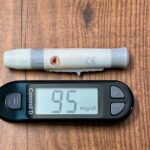
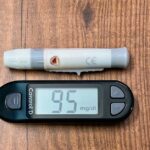
A blood sugar reading of 83 mg/dL is normal for most adults. It sits comfortably inside the standard fasting range of 70 to 99 mg/dL used to define normal blood glucose. For a person without diabetes, 83 mg/dL is not low blood sugar and does not require treatment.
That said, “normal” depends on context. The same number can mean different things depending on whether you just ate, whether you take diabetes medication, and whether you have symptoms. This article explains what 83 mg/dL means, when it might matter, and when it does not.
What Counts as Normal Blood Sugar?
Blood sugar is measured in milligrams per deciliter, written as mg/dL. The numbers come from established clinical ranges that doctors use to screen for and manage diabetes.
For a fasting blood glucose test, which means no food for at least eight hours, the standard ranges are:
- Normal: 70 to 99 mg/dL
- Prediabetes: 100 to 125 mg/dL
- Diabetes: 126 mg/dL or higher on two separate tests
At 83 mg/dL, you are in the normal range with room on both sides. You are 13 points above the low threshold of 70 mg/dL and 17 points below the prediabetes threshold of 100 mg/dL.
Blood sugar is not a fixed number. It moves throughout the day in response to food, activity, stress, hormones, and sleep. A fasting reading of 83 mg/dL in the morning might be 120 mg/dL an hour after lunch and back near 90 mg/dL two hours later. That rise and fall is normal physiology, not a problem.
Is 83 Mg Dl Low Blood Sugar Or Perfectly Normal?
For most people, 83 mg/dL is perfectly normal. The clinical definition of hypoglycemia, which is the medical term for low blood sugar, generally starts below 70 mg/dL. Some guidelines use 70 mg/dL as the threshold for what doctors call “level 1” hypoglycemia.
At 83 mg/dL, you are above that line. Your body has enough glucose circulating to fuel your brain and muscles. There is no medical reason to treat this number in a person who does not take glucose-lowering medication.
There is one important exception. If you have diabetes and take insulin or certain other medications, your personal target range may be different. Some clinicians aim for slightly higher blood sugar in people with a history of severe lows. In that case, 83 mg/dL might be lower than your individual target, even though it falls within the standard normal range. This is a conversation to have with your own doctor, not a conclusion to draw from a single number.
Outside of diabetes treatment, a reading of 83 mg/dL is not a cause for concern.
What Actually Happens When Blood Sugar Drops Too Low?
True hypoglycemia usually begins when blood sugar falls below 70 mg/dL. The brain depends on glucose for energy, and when supply drops, the body responds with a release of hormones like adrenaline and cortisol.
Early symptoms can include:
- Shakiness or trembling
- Sudden sweating
- Fast heartbeat
- Hunger
- Irritability or anxiety
- Pale skin
If blood sugar keeps falling, the brain itself starts to feel the shortage. Symptoms can shift to confusion, slurred speech, blurred vision, unusual behavior, and eventually loss of consciousness. This is why low blood sugar is taken seriously in people who are at risk of it.
At 83 mg/dL, none of this applies. The body’s normal regulatory systems keep blood sugar from drifting into that danger zone in people without diabetes. The liver releases stored glucose, and hormones signal the body to make more when needed.



Who Is Actually at Risk of Low Blood Sugar?
Hypoglycemia is uncommon in people who do not have diabetes. When it does happen, it usually has a specific cause.
The most common cause by far is diabetes medication. Insulin and drugs in the sulfonylurea class can push blood sugar down too far, especially if a dose is too high, a meal is skipped, or activity increases. This is the situation where a reading like 83 mg/dL might be relevant, because it could be a step on the way down.
Other causes are less common but real:
- Drinking heavily without eating
- Severe illness affecting the liver, kidneys, or adrenal glands
- Long periods without food, which is rare in otherwise healthy adults
- Certain rare hormone deficiencies
- Some medications unrelated to diabetes
For a healthy adult who eats regularly and does not take glucose-lowering drugs, low blood sugar is genuinely rare. When it does occur, it tends to have an identifiable medical cause rather than being a random event.
Can You Feel Low at 83 Mg Dl Even If It Is Normal?
Yes, and this is where things get interesting. Symptoms and numbers do not always match.
Some people feel shaky, anxious, or hungry at blood sugar levels that are technically normal. This can happen for a few reasons.
One is a condition sometimes called relative hypoglycemia. If your blood sugar normally runs high, say in the 140s or 150s, a drop to 83 mg/dL can feel low even though it is not. The body has adapted to a higher baseline and treats the drop as a stress signal. This is most often seen in people with poorly controlled diabetes whose levels are coming down with treatment.
Another factor is that symptoms like shakiness, sweating, and a racing heart are not specific to low blood sugar. Anxiety, caffeine, a panic response, and other conditions can produce the same feelings. A number of 83 mg/dL with those symptoms points away from hypoglycemia and toward another explanation.
The only reliable way to know whether symptoms are caused by low blood sugar is to check the number when symptoms occur. If the reading is normal, the symptoms have another source.
When Should You Check With a Doctor?
A single reading of 83 mg/dL is not a reason to call anyone. It is a normal number.
What matters more is a pattern. Talk to a doctor if you notice any of the following:
- Blood sugar readings below 70 mg/dL, especially more than once
- Symptoms of low blood sugar that improve when you eat
- Confusion, unusual behavior, or fainting that others notice
- Readings that swing widely without an obvious cause
- You take insulin or a sulfonylurea and have questions about your target range
If you have diabetes, your doctor can help you set a personal target range. What counts as “too low” for you may differ from the general population, based on your medications, your age, and how well you recognize symptoms.
For everyone else, the main takeaway is simple. A fasting blood sugar of 83 mg/dL is a healthy number. It is not low. It does not need treatment. And it does not mean anything is wrong.
Does 83 Mg Dl Mean Anything Different After Eating?
Context changes the meaning of the number. A reading of 83 mg/dL after an overnight fast is normal. The same reading two hours after a meal is also normal, but it tells a slightly different story.
After eating, blood sugar rises as the body absorbs glucose from food. In a person without diabetes, it typically peaks within an hour and returns toward baseline within two hours. A two-hour reading below 140 mg/dL is generally considered normal.
A reading of 83 mg/dL two hours after eating is on the lower end but still within normal limits. It suggests your body handled the meal efficiently. It is not a sign of a problem.
Timing matters most when you are tracking a trend or managing a condition. For a one-time check in a healthy person, the number is reassuring either way.
Frequently Asked Questions
Is 83 mg/dL blood sugar too low?
No. The clinical threshold for low blood sugar is generally below 70 mg/dL, so 83 mg/dL is within the normal fasting range of 70 to 99 mg/dL. It does not require treatment in a person who is not taking glucose-lowering medication.
What is a dangerous blood sugar level?
For low blood sugar, levels below 54 mg/dL are considered clinically significant and can impair brain function. For high blood sugar, fasting readings of 126 mg/dL or higher on two tests meet the criteria for diabetes.
Can blood sugar be normal but still cause symptoms?
Yes. Symptoms like shakiness or anxiety can occur at normal glucose levels, especially if your blood sugar usually runs higher. Checking your level when symptoms happen is the only way to know whether glucose is the cause.
Should I eat something if my blood sugar is 83 mg/dL?
Not for the number itself. If you feel hungry or it is mealtime, eating is fine, but 83 mg/dL does not require sugar or a snack to correct it. If you take diabetes medication and have a personal target above this level, follow your doctor’s guidance.
