
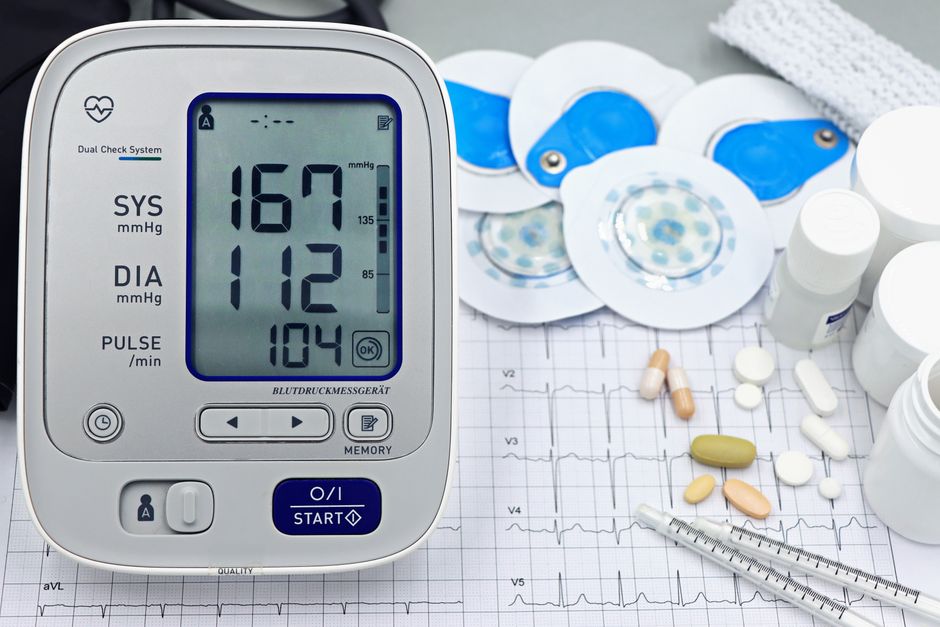
A total cholesterol reading of 218 mg/dL is considered borderline high. It sits above the desirable range of less than 200 mg/dL but below the high threshold of 240 mg/dL. The real story, however, is not just the total number—it is the breakdown of your LDL, HDL, and triglycerides that determines your actual risk.
What Does a Total Cholesterol of 218 Actually Mean?
A total cholesterol of 218 mg/dL is classified as borderline high by standard medical guidelines. This number represents all the cholesterol in your blood, combining both the “good” and “bad” types. But this single figure does not tell the full story about your heart health.
Think of total cholesterol as a summary score. It includes your LDL (low-density lipoprotein), HDL (high-density lipoprotein), and about one-fifth of your triglyceride level. Two people can both have 218 mg/dL but have completely different risk profiles—one might have high protective HDL and low LDL, while the other has the opposite.
The borderline range exists because risk is not a cliff edge. Heart disease risk increases gradually as cholesterol rises. A reading of 218 does not mean you are in immediate danger, but it does mean your cardiovascular risk deserves attention.
Why LDL and HDL Matter More Than the Total Number
Your LDL cholesterol is often called the “bad” cholesterol because it carries cholesterol to your arteries. When LDL particles accumulate in artery walls, they can trigger inflammation and plaque formation. This process is the foundation of atherosclerosis, which can lead to heart attacks and strokes.
Your HDL cholesterol works in the opposite direction. It transports cholesterol away from arteries and back to the liver for disposal. Higher HDL levels are generally associated with lower heart disease risk, though recent research has complicated this picture—raising HDL with medication does not automatically reduce risk.
For adults, the standard targets are an LDL below 100 mg/dL and an HDL above 40 mg/dL for men and above 50 mg/dL for women. These targets shift lower if you have diabetes, existing heart disease, or other risk factors.
Triglycerides: The Third Number You Should Not Ignore
Triglycerides are a type of fat in your blood that your body uses for energy. When you eat more calories than you need, your body converts the excess into triglycerides for storage. A normal fasting triglyceride level is below 150 mg/dL.
High triglycerides are often linked to lifestyle factors—excess weight, physical inactivity, smoking, and heavy alcohol use all raise them. They also tend to rise alongside blood sugar issues, which is why high triglycerides often appear with prediabetes or type 2 diabetes.
When your total cholesterol is elevated, checking your triglycerides matters because the combination of high triglycerides and low HDL is particularly associated with metabolic syndrome and increased cardiovascular risk.



What Your Doctor Looks at with a 218 Reading
Your doctor will not make decisions based on the total number alone. The clinical approach involves a full lipid panel, which measures total cholesterol, LDL, HDL, and triglycerides after a 9-12 hour fast. This complete picture guides the next steps.
Your doctor will also assess your overall cardiovascular risk. This includes your age, blood pressure, smoking status, diabetes status, and family history of early heart disease. These factors combine to estimate your 10-year risk of having a heart attack or stroke.
In some cases, your doctor may order additional testing. A coronary artery calcium score uses a CT scan to detect calcified plaque in your arteries. This test can help clarify risk when the decision to start medication is not clear-cut.
Lifestyle Changes That Can Lower Your Numbers
If your total cholesterol is 218 but your risk profile is otherwise low, lifestyle changes are typically the first step. These changes are not quick fixes—they require consistency over months, not days.
Dietary changes have the strongest evidence for lowering cholesterol. Replacing saturated fats with unsaturated fats—such as olive oil, nuts, and avocados—can reduce LDL. Increasing soluble fiber from oats, beans, and fruits also helps because fiber binds to cholesterol in the digestive tract and removes it from the body.
Physical activity raises HDL and lowers triglycerides, though its effect on LDL is modest. Aim for at least 150 minutes of moderate-intensity aerobic exercise per week. Weight loss of 5-10% of body weight, if you carry excess weight, can also produce meaningful improvements in your lipid profile.
When Medication Becomes Part of the Conversation
Statins are the most studied cholesterol-lowering medications. They reduce LDL by blocking an enzyme your liver needs to produce cholesterol. Large clinical trials have consistently shown that statins reduce heart attacks and strokes in people at elevated risk.
The decision to start a statin depends on your overall risk, not your total cholesterol alone. Someone with a total cholesterol of 218 who is 60 years old, has diabetes, and smokes will likely be offered medication. A 35-year-old with the same total cholesterol but no other risk factors may be advised to focus on lifestyle first.
If you cannot tolerate statins or they do not lower your LDL enough, other options exist. Ezetimibe reduces cholesterol absorption in the intestine, and PCSK9 inhibitors are injectable medications that dramatically lower LDL. These are typically reserved for people at very high risk or those with familial hypercholesterolemia.
How Often Should You Retest Your Cholesterol?
Adults should have their cholesterol checked every 4-6 years starting at age 20, according to standard preventive care guidelines. If your levels are borderline or elevated, your doctor may recommend more frequent testing—often annually—to monitor changes over time.
After starting a new medication or making significant lifestyle changes, retesting typically happens within 2-3 months. This allows enough time to see whether the intervention is working. Once your numbers stabilize, testing frequency can return to an annual schedule.
The key point is that cholesterol is not static. It changes with age, weight, diet, and hormonal status. Women often see cholesterol rise after menopause, which is one reason risk assessment is an ongoing conversation rather than a one-time event.
What a 218 Reading Does Not Tell You
A total cholesterol of 218 does not tell you whether you have existing plaque in your arteries. It does not tell you your genetic risk. It does not tell you whether you have inflammation in your blood vessels. These factors matter for overall cardiovascular risk, but they are separate from the lipid panel.
Cholesterol is also not the only driver of heart disease. Blood pressure, smoking, diabetes, and family history each contribute independently. You can have ideal cholesterol and still have a heart attack if other risk factors are uncontrolled.
This is why the total number alone should not cause panic. It is one piece of a larger picture, and it is a piece that responds well to attention and action.
Frequently Asked Questions
Is 218 mg/dL cholesterol dangerous?
It is borderline high, not immediately dangerous, but it warrants attention. Your actual risk depends on your LDL, HDL, triglycerides, and other cardiovascular risk factors.
Can I lower cholesterol from 218 without medication?
Many people can lower borderline levels through diet, exercise, and weight loss. If your overall risk is low, doctors typically recommend lifestyle changes before considering medication.
What is a normal total cholesterol level?
A desirable total cholesterol level is below 200 mg/dL. Levels between 200 and 239 mg/dL are borderline high, and 240 mg/dL or above is considered high.
How long does it take to lower cholesterol with diet?
Significant changes usually appear within 2-3 months of consistent dietary changes. Full effects may take up to 6 months, and the results vary by individual.
