
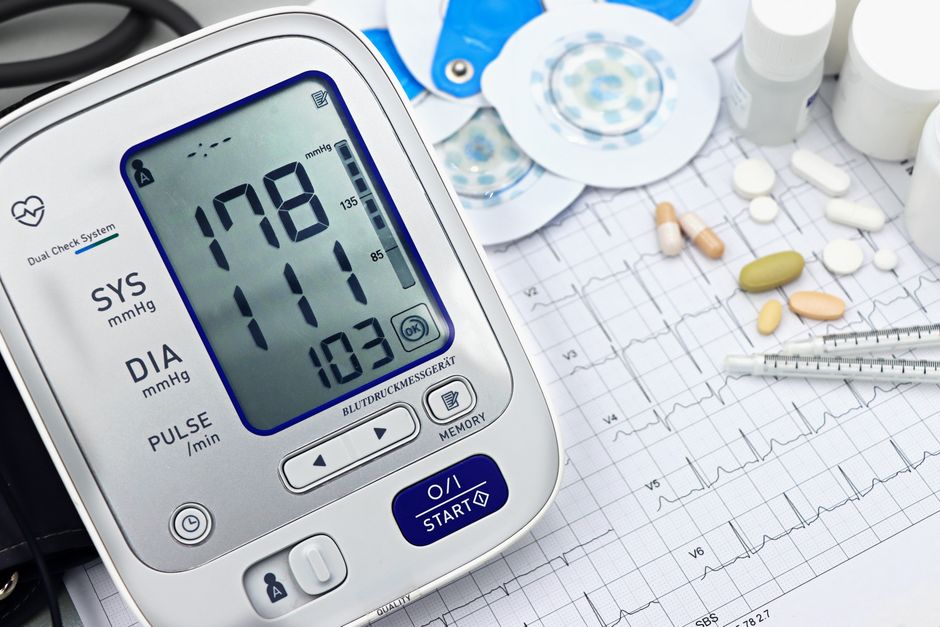
A total cholesterol reading of 217 mg/dL is considered borderline high. It is not an emergency, but it is a signal to pay attention. Your number is above the desirable level of 200 mg/dL, but it is below the high threshold of 240 mg/dL. The real story is not just the total number—it is what makes up that number.
What Does a Total Cholesterol of 217 Actually Mean?
Your total cholesterol is a sum of three things: LDL cholesterol, HDL cholesterol, and a fraction of your triglycerides. A reading of 217 tells you very little about your risk by itself. Two people can both have 217 and have completely different health outlooks.
One person might have high HDL (the good kind) and low triglycerides. Another might have high LDL (the bad kind) and low HDL. The total number is the same, but the risk is not. This is why doctors rarely focus on total cholesterol alone. They look at the breakdown.
The American Heart Association states that LDL cholesterol should ideally be under 100 mg/dL. HDL should be 60 mg/dL or higher for protection. Triglycerides should be under 150 mg/dL. If your 217 comes from high HDL, that is actually a good sign. If it comes from high LDL or triglycerides, that is a different conversation.
Is 217 Cholesterol Bad? What Your Reading Means Based on the Numbers
Let us be direct. A total cholesterol of 217 puts you in the borderline high category according to the CDC. That classification applies to readings between 200 and 239 mg/dL. It does not mean you will have a heart attack. It means your risk is higher than someone with a reading under 200.
What matters more is your LDL number. If your LDL is under 100, your 217 total is less concerning. If your LDL is over 130, that is where the risk increases. Research published in the Journal of the American College of Cardiology has shown that LDL is the primary driver of plaque buildup in arteries. Total cholesterol is a secondary marker.
Here is a simple way to think about it: total cholesterol is like the total number of cars on the road. LDL is the number of trucks carrying heavy loads. Too many trucks cause traffic jams and damage the road. A few extra cars do not matter much.
What Causes Total Cholesterol to Reach 217?
Several factors can push your total cholesterol into the borderline high range. Some are within your control. Some are not.
- Diet: Eating too much saturated fat and trans fat raises LDL. Saturated fat is found in red meat, butter, and full-fat dairy. Trans fat is found in fried foods and processed baked goods.
- Weight: Excess body weight, especially around the belly, can increase LDL and lower HDL.
- Physical activity: Being inactive lowers HDL, which makes your total cholesterol look worse even if LDL is fine.
- Genetics: Some people inherit a condition called familial hypercholesterolemia. This causes high LDL regardless of diet or exercise.
- Medical conditions: Hypothyroidism, kidney disease, and diabetes can raise cholesterol levels.
If your cholesterol is 217 and you are otherwise healthy, lifestyle factors are the most likely cause. But do not assume you can fix it by cutting out eggs alone. Dietary cholesterol from eggs has a much smaller effect on blood cholesterol than saturated fat does. That is a common myth.




How Does a Reading of 217 Compare to Other Numbers?
Seeing your number in context helps. Here is a comparison table based on guidelines from the National Institutes of Health.
| Total Cholesterol Level | Category |
|---|---|
| Under 200 mg/dL | Desirable |
| 200 to 239 mg/dL | Borderline High |
| 240 mg/dL and above | High |
Your 217 reading sits just inside the borderline high zone. It is not the worst number, but it is also not ideal. The difference between 200 and 217 is about the same as the difference between 217 and 234. Small changes can move you in either direction.
What matters more is your 10-year risk of heart disease. Doctors calculate this using your age, sex, blood pressure, smoking status, and cholesterol numbers. A 217 reading in a 35-year-old nonsmoking woman with normal blood pressure is less risky than the same number in a 60-year-old man who smokes. Do not compare your number to a stranger’s. Compare it to your own risk profile.
What Actually Works to Lower Cholesterol From 217?
If your doctor says your 217 reading needs attention, here is what the evidence supports. These are not guesses. These are findings from clinical trials and large population studies.
Reduce saturated fat. The strongest dietary change you can make is cutting back on foods high in saturated fat. That means less butter, fatty cuts of meat, and full-fat cheese. Replace them with unsaturated fats from olive oil, avocados, nuts, and fatty fish. A study in the journal Circulation found that replacing 5% of calories from saturated fat with unsaturated fat lowered LDL by about 10 points.
Increase soluble fiber. Soluble fiber binds to cholesterol in your digestive tract and helps remove it from your body. Good sources are oats, barley, beans, lentils, apples, and psyllium husk. Eating 5 to 10 grams of soluble fiber per day can lower LDL by 5 to 10 points.
Exercise regularly. Aerobic exercise like brisk walking, jogging, or cycling raises HDL. Higher HDL improves your total cholesterol ratio even if your total number stays the same. The American Heart Association recommends at least 150 minutes of moderate-intensity exercise per week.
Lose weight if needed. Losing even 5 to 10 percent of your body weight can lower LDL and triglycerides. It also raises HDL. This effect is well-documented in studies on overweight and obese adults.
Consider medication if lifestyle is not enough. Statins are the most studied and effective cholesterol-lowering drugs. They reduce LDL by 30 to 50 percent on average. If your LDL is high and lifestyle changes do not bring it down, statins are a safe and proven option. Do not fear them based on internet rumors. The evidence for their benefit is strong.
Common Misconceptions About Cholesterol Readings
There is a lot of bad information online. Let me clear up a few things directly.
Myth: Eating eggs raises cholesterol. Eggs contain dietary cholesterol, but for most people, dietary cholesterol has a small effect on blood cholesterol. Saturated fat is the bigger problem. A 2020 review in the journal Nutrients found that eating up to one egg per day does not increase heart disease risk in healthy people.
Myth: Total cholesterol is the only number that matters. It is not. Your LDL, HDL, and triglyceride levels give a much clearer picture. Some people with total cholesterol over 240 have high HDL and are at low risk. Some people with total cholesterol under 200 have high LDL and are at high risk.
Myth: You can feel high cholesterol. You cannot. High cholesterol has no symptoms. That is why regular blood tests are important. A reading of 217 does not cause headaches, chest pain, or fatigue. If you feel fine, that does not mean your cholesterol is fine.
Myth: Statins are dangerous. Statins have side effects like any medication, but serious side effects are rare. Muscle pain affects about 5 to 10 percent of people, and it often goes away with a different statin or a lower dose. The risk of a heart attack or stroke is much higher than the risk of a statin side effect for most people with elevated LDL.
Frequently Asked Questions
Is 217 cholesterol bad for a woman?
It depends on the breakdown. Women naturally have higher HDL, so a total of 217 may be less concerning if HDL is high. A doctor should evaluate the full lipid panel.
Is 217 cholesterol bad for a man?
Men tend to have lower HDL, so a total of 217 often means higher LDL. It is worth checking your LDL and triglyceride levels to assess risk accurately.
Can diet alone lower cholesterol from 217 to 200?
Yes, for many people. Reducing saturated fat and increasing soluble fiber can lower total cholesterol by 10 to 20 points within a few months. Results vary by individual.
Should I take medication for cholesterol of 217?
Not automatically. Medication is usually recommended if LDL is above 190 or if you have other risk factors like diabetes or heart disease. Discuss your full risk profile with your doctor.
