

A blood sugar reading of 162 mg/dL is considered high, but whether it is dangerous depends entirely on when you last ate. If you check your blood sugar two hours after a meal, 162 is above the normal target of under 140. If this is a fasting reading, meaning you have not eaten for at least eight hours, 162 is well above the healthy range of under 100. The timing of your test determines what this number means for your health. This article explains what a 162 reading indicates, what targets you should aim for, and what steps to take next.
What Does a Blood Sugar of 162 Mean?
A blood sugar level of 162 mg/dL is not normal for a healthy person. The American Diabetes Association (ADA) states that a normal fasting blood sugar is under 100 mg/dL. A fasting level of 100 to 125 is considered prediabetes. A reading of 126 or higher on two separate occasions means diabetes. So 162 as a fasting number clearly falls into the diabetes range.
If you tested 162 two hours after eating, it is still above the recommended target. The ADA advises that post-meal blood sugar should be under 180 mg/dL. A reading of 162 is therefore within the acceptable range for someone with diabetes, but it is not ideal. For someone without diabetes, a post-meal reading should stay under 140. From that perspective, 162 is high.
Context is everything. A single reading of 162 does not diagnose anything by itself. But it is a signal that something is off, especially if it repeats. The key is knowing when you tested and comparing it to the right target.
What Are the Right Blood Sugar Targets for Different Times?
Blood sugar targets are not the same for every person or every situation. Here are the general guidelines from the ADA for most non-pregnant adults with diabetes:
- Fasting (before breakfast): 80 to 130 mg/dL
- Before meals: 80 to 130 mg/dL
- Two hours after meals: Under 180 mg/dL
- Bedtime: 100 to 140 mg/dL
For people without diabetes, normal ranges are tighter. Fasting is usually between 70 and 100 mg/dL. Two hours after eating, it should be under 140. A reading of 162 would be abnormal for a non-diabetic at any time of day.
Your doctor may set different targets based on your age, how long you have had diabetes, and other health conditions. Older adults or those with other medical issues may have slightly higher targets to avoid dangerous low blood sugar. But 162 is still above most standard targets regardless of timing.
Is 162 Blood Sugar High Timing And Targets for Different People?
The answer changes depending on who you are. For a person with well-controlled diabetes, a post-meal reading of 162 may be a minor bump. It is not an emergency. It is a sign to check what you ate and adjust next time. For someone with no diabetes history, 162 is a clear warning. Research published in the journal Diabetes Care has shown that post-meal readings above 140 are linked to increased risk of cardiovascular disease, even in people without a diabetes diagnosis.
For pregnant women, the targets are stricter. Gestational diabetes guidelines from the American College of Obstetricians and Gynecologists recommend fasting under 95 and one-hour post-meal under 140. A reading of 162 would be too high for a pregnant woman at any point. This requires immediate discussion with a healthcare provider.
For older adults over 65, some guidelines allow slightly higher fasting targets, around 100 to 140. But 162 is still above even these relaxed targets. Age does not make a reading of 162 safe.
| Person Type | Fasting Target | Post-Meal Target | 162 mg/dL Meaning |
|---|---|---|---|
| No diabetes | Under 100 | Under 140 | High at any time |
| Diabetes (general) | 80-130 | Under 180 | High if fasting, borderline if post-meal |
| Gestational diabetes | Under 95 | Under 140 | High at any time |
| Older adult (65+) | 100-140 | Under 200 | High if fasting, acceptable if post-meal |


What Causes Blood Sugar to Spike to 162?
Several factors can push blood sugar to 162. The most common is food. Meals high in carbohydrates, especially refined carbs like white bread, pasta, sugary drinks, and desserts, cause rapid spikes. If you ate a large meal with little protein or fiber, a reading of 162 two hours later is not surprising.
Stress also raises blood sugar. When you are under physical or emotional stress, your body releases hormones like cortisol and adrenaline. These signal your liver to release stored glucose. This can push your blood sugar up even if you have not eaten. The same happens during illness or infection.
Physical activity normally lowers blood sugar, but intense exercise can temporarily raise it. A hard workout triggers a stress response similar to emotional stress. This effect usually fades within an hour. If you tested right after a sprint or heavy lifting session, 162 could be a temporary spike.
Missed or delayed medication is another cause. If you take insulin or oral diabetes medication and skip a dose, your blood sugar can climb. The same goes for taking less than prescribed. Some people also experience the dawn phenomenon, where the liver releases glucose in the early morning hours, causing a high fasting reading.
What Should You Do After a 162 Reading?
Do not panic. One high reading does not mean your diabetes is out of control. But do not ignore it either. The first step is to confirm the reading. Wash your hands and test again. Residue on your fingers from food or lotion can give a false high number. If the second reading is similar, then it is real.
Think about what you ate in the last few hours. If it was a carb-heavy meal, that is likely the cause. Make a mental note for next time. Consider walking for 10 to 15 minutes. Light activity helps your muscles use glucose and can bring your number down. Do not do intense exercise if your blood sugar is already high and you have ketones, as that can be dangerous.
If you take insulin, check if you need a correction dose. Follow your doctor’s plan. Do not guess. If you do not take medication and this is your first high reading, schedule an appointment with your doctor. Ask for an A1C test, which measures your average blood sugar over the past three months. This gives a clearer picture than a single reading.
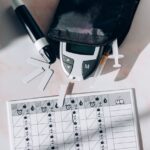
Keep a log of your readings, including the time, what you ate, and any activity. This pattern helps your doctor adjust your treatment plan. One reading of 162 is a data point, not a verdict. Repeated high readings are what matter.
Common Misconceptions About Blood Sugar Numbers
One common myth is that a single high reading means you have diabetes. It does not. Blood sugar fluctuates throughout the day based on food, activity, stress, and sleep. A random high reading can happen to anyone. A diagnosis requires repeated high readings or an abnormal A1C test. The CDC states that an A1C of 6.5% or higher on two separate tests confirms diabetes.
Another misconception is that you should aim for a blood sugar under 100 at all times. That is not realistic for most people with diabetes. The ADA targets allow for post-meal readings up to 180. Trying to keep every reading below 100 can lead to dangerous low blood sugar, called hypoglycemia. That is more immediately dangerous than a temporary high.
Some people believe that if they feel fine, their blood sugar must be okay. This is false. High blood sugar often has no symptoms until it is very high. You can feel perfectly normal with a reading of 162. Symptoms like frequent urination, thirst, and blurred vision usually appear above 200. Relying on how you feel instead of a meter is a mistake.
There is also confusion about the best time to test. Many people test only in the morning. That gives you one piece of the puzzle. Testing two hours after meals gives you critical information about how your body handles food. Without post-meal readings, you might miss spikes that are slowly damaging your blood vessels over time.
Frequently Asked Questions
Is 162 blood sugar high for a person without diabetes?
Yes, 162 is high for someone without diabetes. Normal fasting is under 100, and normal two hours after eating is under 140.
How can I lower my blood sugar from 162 quickly?
Drinking water and going for a short walk can help lower it. Do not take extra medication unless your doctor has instructed you to.
What should my blood sugar be 2 hours after eating?
For most people with diabetes, the target is under 180 mg/dL. For those without diabetes, it should be under 140.
Can stress cause a blood sugar reading of 162?
Yes, stress releases hormones that raise blood sugar. This can happen even if you have not eaten recently.
