
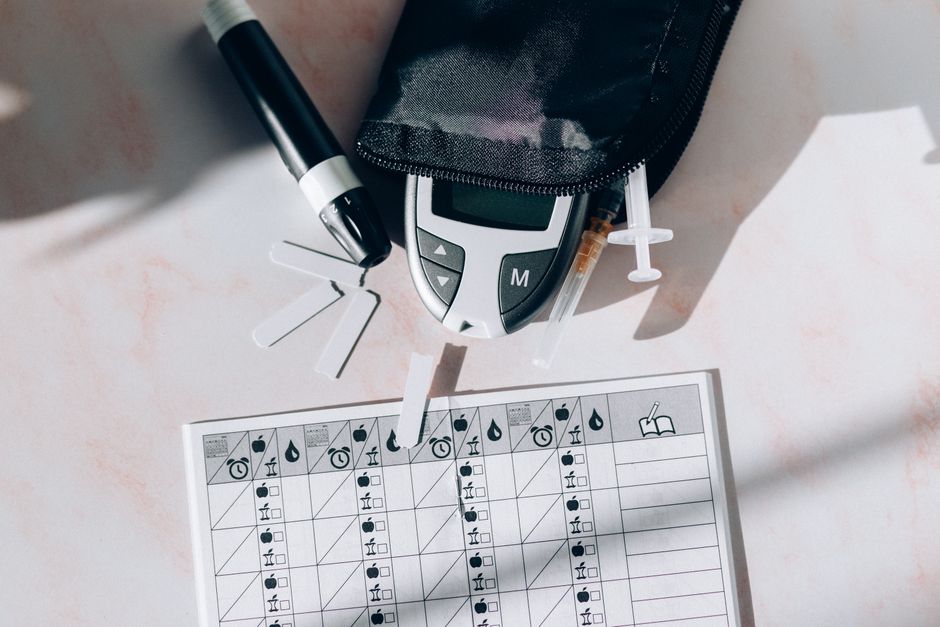
Tracking blood sugar at home comes down to three things: using your meter correctly, testing at the right times, and knowing what the numbers mean. For most adults with diabetes, that means checking fasting levels in the morning and often again before meals or two hours after eating. The targets you aim for depend on your health history, so your doctor should set your personal goals. This guide walks through the basics of meter use, testing schedules, and standard glucose targets.
How To Track Blood Sugar Meters Timing And Targets
Blood sugar meters measure the amount of glucose in a small drop of blood. You prick your fingertip, place the blood on a test strip, and the meter gives you a number in about five seconds. The number tells you if your glucose is in range, too high, or too low at that exact moment.
Timing matters because your blood sugar changes throughout the day. It rises after you eat and falls when you haven’t eaten for a while. A reading right after a meal will be higher than one taken before breakfast. Testing at consistent times gives you and your doctor a clearer picture of how your body handles glucose.
Targets are the numbers you aim for. The American Diabetes Association suggests most nonpregnant adults with diabetes aim for 80 to 130 mg/dL before meals and less than 180 mg/dL one to two hours after a meal. These are guidelines, not rules. Your doctor may set different targets based on your age, how long you have had diabetes, and other health conditions.
How Does a Blood Sugar Meter Work?
Meters use an enzyme on the test strip that reacts with glucose in your blood. This reaction creates a small electrical current. The meter reads that current and converts it into a glucose number. The technology is reliable when used correctly.
Most meters require only a tiny drop of blood. A lancing device makes a small prick on your fingertip. Some meters allow testing on alternate sites like the palm or forearm, but fingertip readings are more accurate when your sugar is changing quickly. After exercise or a meal, blood flow to the skin changes, which can make arm readings less reliable.
Test strips are the most important variable. Each strip is coated with chemicals that react with glucose. Strips must be stored in their original container and kept away from heat, moisture, and direct sunlight. Expired strips can give inaccurate readings. Check the expiration date before using a new box.
Meters need proper care too. Clean the device regularly according to the manufacturer instructions. Check the code on the meter matches the code on the strip bottle if your meter uses coding. Many modern meters are auto-coded, which removes this step.
When Should You Test Your Blood Sugar?
The best time to test depends on why you are testing. Your medication, meal schedule, and activity level all play a role. Your doctor should tell you how often to check and when.
Common testing times include:
- Fasting: First thing in the morning before eating or drinking anything except water. This shows your baseline glucose level.
- Before meals: Testing before lunch and dinner shows how well your current medication plan controls your sugar between meals.
- Two hours after a meal: This reading shows how your body responds to food. The two-hour mark is standard because glucose peaks around this time for most people.
- Before and after exercise: Physical activity lowers blood sugar. Testing before and after helps you see how your body responds and helps prevent dangerous drops.
- At bedtime: A nighttime reading helps you and your doctor adjust evening medications or snacks to prevent overnight lows.
- When you feel symptoms: If you feel shaky, sweaty, confused, or unusually tired, test immediately. These can be signs of low blood sugar.
People using insulin often test more frequently than those managing diabetes with oral medications or lifestyle changes. Someone on multiple daily insulin injections might test four to six times per day. Someone with well-controlled type 2 diabetes on metformin might test once or twice daily.
If you are sick or stressed, test more often. Illness and stress raise blood sugar because your body releases hormones that increase glucose production. Infections, colds, and even emotional stress can push your numbers out of range.




What Are the Standard Blood Sugar Targets?
Targets give you a framework for interpreting your readings. They are not pass-fail grades. They are reference points for making decisions about food, activity, and medication.
The American Diabetes Association publishes widely used targets for most nonpregnant adults with diabetes:
- Before a meal: 80 to 130 mg/dL
- One to two hours after the start of a meal: Less than 180 mg/dL
- A1C: Less than 7 percent
A1C is a different test. It measures your average blood sugar over the past two to three months. Your meter shows your glucose at one moment. A1C shows the big picture. Both matter for diabetes management.
Your personal targets may differ. Older adults may aim for slightly higher targets to avoid dangerous low blood sugar. People with heart disease or other complications might have different goals. Pregnant women have much tighter targets because high glucose affects fetal development.
Ask your doctor for your specific targets and write them down. Keep that list where you test. If your readings consistently fall outside your targets, contact your healthcare team. Do not adjust your medication on your own based on meter readings alone.
How to Get Accurate Readings Every Time
Accuracy depends on technique more than the meter itself. Small mistakes can produce numbers that do not reflect your true blood sugar.
Wash your hands with soap and warm water before testing. Dry them completely. Food residue on your fingers can contaminate the blood sample and raise the reading. Hand sanitizer is not a substitute for washing. Some sanitizers leave residues that interfere with the test.
Use a fresh lancet each time. Lancets are small needles that puncture the skin. Reusing them blunts the tip, which makes the prick more painful and can introduce bacteria. Most lancing devices have a mechanism to eject the used lancet safely.
Choose the side of your fingertip, not the pad. The sides have more blood flow and fewer nerve endings. Pricking the pad is more painful and can produce a smaller drop of blood.
Squeeze gently from the base of your finger toward the tip if needed. Do not milk your finger aggressively. Hard squeezing pushes tissue fluid into the blood sample, which dilutes it and can lower the glucose reading.
Make sure the blood drop completely fills the test strip’s tiny channel. An underfilled strip may give an error message or an inaccurate reading. If you get an error, use a new strip and try again.
What Do Your Readings Actually Mean?
A single reading is a snapshot. It tells you what your glucose is doing right now, but it does not diagnose or evaluate your diabetes management alone. Patterns matter more than individual numbers.
Look for patterns over several days or weeks. If your fasting numbers are consistently above 130 mg/dL, that tells you something different than one high reading after a large meal. Track your readings along with what you ate, when you took medication, and how active you were.
Most meters store readings automatically. Many have apps that display trends and averages. Bring your meter or its log to every doctor appointment. Your doctor uses this data to adjust your treatment plan.
Logbooks help you spot connections. You might notice that your blood sugar runs high after eating white rice but stays in range after eating oatmeal. That information helps you make better food choices. You might see that a morning walk keeps your afternoon numbers lower.
Do not change your medication based on one or two readings. If you see a consistent pattern over several days, share it with your doctor. Medication adjustments require professional judgment.
What Is Continuous Glucose Monitoring?
Continuous glucose monitors, or CGMs, are devices that measure glucose in the fluid just beneath your skin. A small sensor sits on your arm or abdomen and transmits readings to a receiver or smartphone app. CGMs provide glucose data every few minutes without fingersticks.
CGMs show trends that fingerstick testing misses. You can see whether your glucose is rising, falling, or staying steady. Alarms can warn you when glucose is heading too low or too high. This is especially useful for people who have hypoglycemia unawareness, a condition where they no longer feel the symptoms of low blood sugar.
CGMs are not for everyone. They cost more than traditional meters. Some insurance plans cover them, but many do not. Sensors need replacement every 7 to 14 days depending on the brand. You still need a fingerstick meter for calibration in some systems and for confirming readings before making treatment decisions.
Some research suggests CGM use improves blood sugar control and reduces dangerous low blood sugar events. The technology has changed diabetes management for many people. But traditional fingerstick meters remain accurate, reliable, and far less expensive.
When Should You Call Your Doctor?
Certain readings require immediate attention. If your blood sugar is below 70 mg/dL and you feel symptoms, treat it right away. Eat or drink something with fast-acting carbohydrates like glucose tablets, fruit juice, or regular soda. Recheck in 15 minutes. If it is still low, treat again and seek medical help if symptoms continue.
Very high readings also matter. A reading above 240 mg/dL means you should test for ketones if you have type 1 diabetes. Ketones are acids that build up when your body breaks down fat for energy instead of glucose. High ketone levels can lead to a serious condition called diabetic ketoacidosis that requires emergency treatment.
Call your doctor if you see patterns you cannot explain. Repeated readings above your target range, frequent low blood sugar episodes, or numbers that swing widely all deserve professional attention. Your medication may need adjustment.
Seek emergency care if you have trouble breathing, chest pain, confusion, or severe vomiting. These can be signs of serious complications. Do not wait for a doctor appointment if you feel seriously ill.
Frequently Asked Questions
How often should I check my blood sugar?
Most people with diabetes check one to four times per day depending on their medication and treatment plan. Your doctor will give you a specific schedule based on your type of diabetes and how well controlled your sugar is.
What is a normal blood sugar level two hours after eating?
For most nonpregnant adults with diabetes, the goal is under 180 mg/dL two hours after the start of a meal. People without diabetes typically stay below 140 mg/dL after eating.
Can I test my blood sugar on my arm instead of my finger?
Some meters allow alternate site testing on the palm or forearm, but fingertip readings are more accurate when your blood sugar is changing quickly. Use your fingertip after meals or exercise for the most reliable result.
Why does my blood sugar meter give different readings on the same drop of blood?
Even high-quality meters allow a small margin of error, often about 15 percent compared to laboratory results. Testing technique, strip quality, and how full the strip channel is can also affect readings.
