
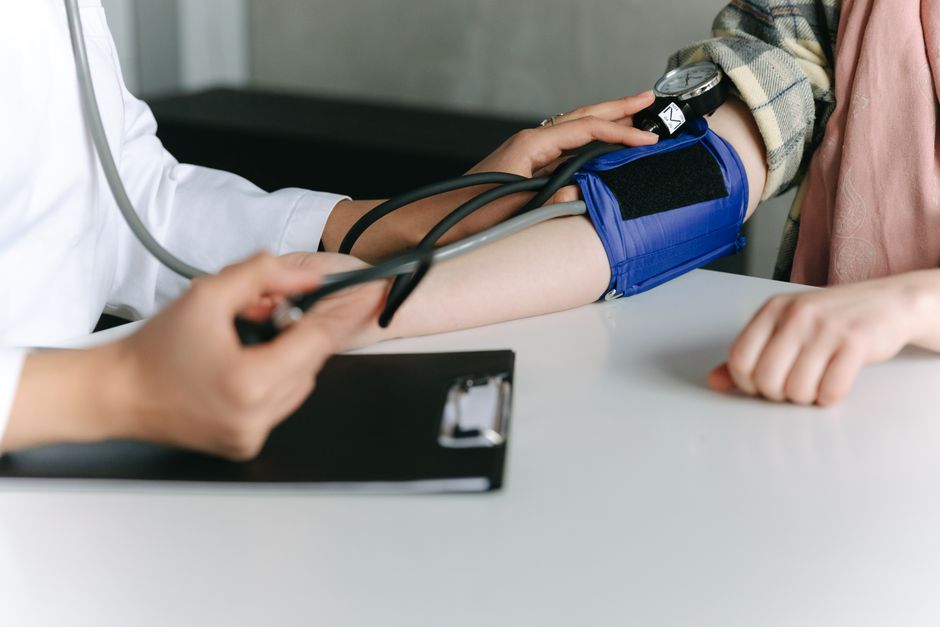
If your blood pressure reading is 124 over 82, you are in a gray zone that confuses a lot of people. The top number is normal. The bottom number is not. Under the standards used by most US clinicians, 124/82 falls into the category called elevated blood pressure, sometimes described as prehypertension. It is not a diagnosis of high blood pressure. It is also not a reading to ignore.
That distinction matters because the two numbers are treated differently. A systolic reading of 124 is within the normal range. A diastolic reading of 82 is above the normal threshold of 80. When the numbers disagree, the higher category generally wins for classification purposes. So a reading of 124/82 is classified by its diastolic value, not its systolic value.
What Do the Two Blood Pressure Numbers Actually Mean?
Systolic pressure is the force against your artery walls when your heart contracts and pushes blood out. Diastolic pressure is the force that remains between beats, while your heart is refilling. Both numbers are measured in millimeters of mercury, written as mm Hg.
Systolic pressure tends to rise steadily with age as large arteries stiffen. Diastolic pressure behaves differently. It often climbs through midlife and then may start to fall after roughly age 60, because stiff arteries lose some of the elastic recoil that maintains pressure between beats. This is one reason isolated high systolic pressure becomes more common in older adults, while a mildly elevated diastolic reading is more often seen in younger and middle-aged adults.
For a reading of 124/82, the diastolic number is doing the work of pushing you out of the normal category. That is worth understanding rather than simply reacting to the higher-looking number.
Is 124 82 A Good Blood Pressure What To Know About the Categories
Under the classification used by major US heart organizations since 2017, normal blood pressure is below 120/80 mm Hg. Elevated blood pressure is a systolic reading of 120 to 129 with a diastolic reading below 80. Stage 1 hypertension begins at 130/80. Stage 2 hypertension begins at 140/90.
Here is the part that trips people up. A reading of 124/82 does not fit neatly into the “elevated” box, because that category requires the diastolic number to stay under 80. With a diastolic of 82, you have crossed into the Stage 1 hypertension range on that number alone.
So the accurate answer is this: 124/82 is not normal, and depending on which classification system you use, it sits either at the top of the elevated range or at the bottom of Stage 1 hypertension. The American College of Cardiology and American Heart Association guidelines place it in Stage 1. Some other international guidelines use higher thresholds and would call it high-normal.
That gap between guidelines is real and worth knowing. It does not mean one group is wrong. It reflects genuine disagreement among experts about where the line should sit.
Does One High Reading Mean You Have High Blood Pressure?
No. A single reading is not a diagnosis. Blood pressure fluctuates constantly, and many things can push a reading up temporarily.
- The stress of being in a clinic, often called white coat effect
- Caffeine within the past 30 minutes
- Smoking or nicotine within the past 30 minutes
- A full bladder
- Talking during the measurement
- An arm unsupported or held below heart level
- A cuff that is the wrong size for your arm
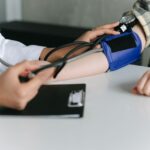
Proper technique changes the number. Sit quietly for five minutes first. Keep your feet flat, your back supported, and your arm resting at heart level. Do not talk. Take two or three readings a minute apart and average them.
Because readings vary so much, clinicians rarely diagnose anything from one visit. The usual approach is to confirm with multiple readings on separate days, often including measurements taken at home. Home readings tend to be lower than clinic readings for many people, and they give a more realistic picture of your typical pressure.

What Should You Do About a Reading of 124/82?
For most people, a confirmed reading in this range calls for monitoring and lifestyle attention rather than medication. That is a general statement, not a personal recommendation, because the right response depends on your overall risk.
Your doctor weighs several things beyond the number itself. A history of heart attack or stroke, diabetes, kidney disease, or a high calculated risk of cardiovascular disease can shift the decision toward earlier treatment. Age matters too. A diastolic of 82 in a healthy 40-year-old is a different situation than the same number in someone with existing heart disease.
The evidence on lifestyle changes at this stage is reasonably strong for the things that have been studied well. Reducing sodium intake, following a eating pattern rich in vegetables, fruits, and whole grains, losing excess weight, and getting regular physical activity have all been shown in trials to lower blood pressure. The size of the effect varies a lot from person to person.
What the evidence does not support is the idea that any single supplement or food reliably fixes a borderline reading. If a product claims to lower blood pressure, the honest position is usually that no large human trial has confirmed a meaningful effect.
Why Does the Diastolic Number Matter So Much?
For decades, systolic pressure got most of the attention, especially in older adults. That focus has shifted. Research over the past two decades has shown that systolic pressure is generally the stronger predictor of cardiovascular risk after about age 50.
Diastolic pressure still matters, particularly in younger adults. In people under 50, an elevated diastolic reading is often the first sign that pressure is trending upward. It is also linked to higher long-term risk when it stays elevated over time.
There is a nuance worth knowing here. Very low diastolic pressure in older adults can be a concern, because it may mean the heart is not getting enough pressure to fill its own coronary arteries. This is why clinicians do not simply push blood pressure as low as possible in every person. The target depends on age and overall health.
How Often Should You Check Your Blood Pressure?
If your readings are consistently in the elevated or Stage 1 range, checking at home a few times a week gives you useful data. Bring those numbers to your doctor rather than relying on a single office reading.
Home monitors are widely available. Choose one that measures from the upper arm rather than the wrist or finger. Wrist and finger devices are generally less accurate. Make sure the cuff fits your arm circumference, since a cuff that is too small can read falsely high.
Track the readings with dates and times. Patterns matter more than any single number. A reading that is 124/82 most mornings is more meaningful than one that appears once after a stressful day.
When Should You Be More Concerned?
A reading of 124/82 is not an emergency. It is a signal to pay attention. What would be more concerning is a reading that climbs into the 130s over 80s consistently, or a sudden jump well above your usual range.
Seek immediate medical care for a reading of 180/120 mm Hg or higher, especially with symptoms like chest pain, shortness of breath, severe headache, vision changes, weakness, or difficulty speaking. That combination can indicate a hypertensive crisis.
For everything in between, the sensible approach is measurement, not panic. Confirm the number with home readings. Talk to your clinician about what your specific reading means given your age, health history, and other risk factors. Then decide together whether lifestyle changes alone are enough or whether more is needed.
Frequently Asked Questions
Is 124 82 a good blood pressure reading?
No, 124/82 is not considered normal. The systolic reading of 124 is within normal range, but the diastolic reading of 82 is above the normal threshold of 80, which places the reading in the elevated or Stage 1 range depending on the guideline used.
Is 124 over 82 considered high blood pressure?
Under the classification used by major US heart organizations, a diastolic reading of 82 places 124/82 in Stage 1 hypertension. Some international guidelines use higher thresholds and would classify it as high-normal instead.
Should I worry about a blood pressure of 124/82?
It is not an emergency, but it is worth monitoring rather than ignoring. A single reading is not a diagnosis, so confirm it with several home readings and discuss the pattern with your doctor.
Can 124/82 be lowered without medication?
For many people, lifestyle changes such as reducing sodium, losing excess weight, and getting regular physical activity can lower blood pressure in this range. Whether medication is needed depends on your overall cardiovascular risk, which only your clinician can assess.
