
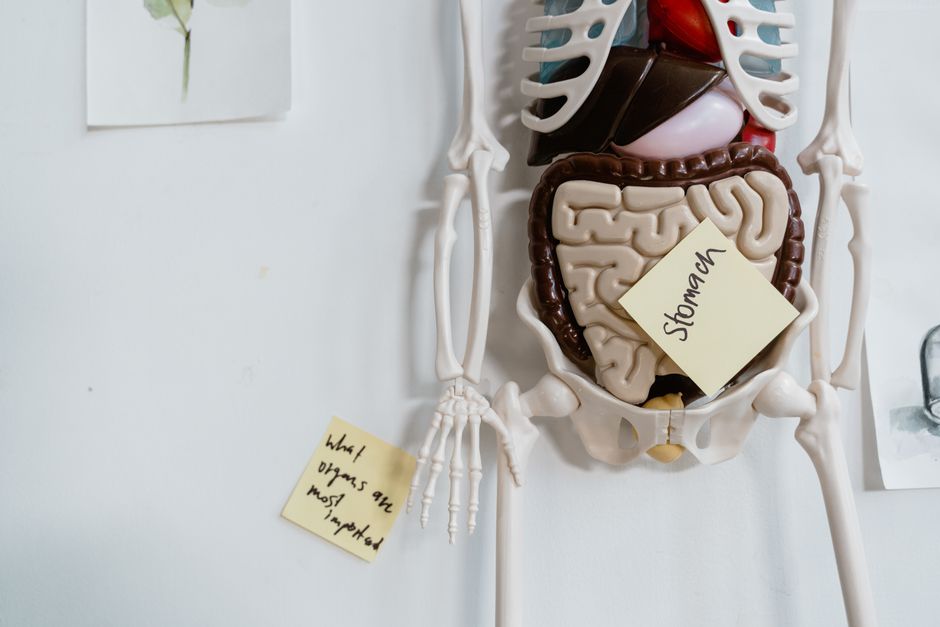
The connection between your gut and your bladder is real, and it goes far beyond simple anatomy. The bacteria living in your digestive tract influence your entire body, including how your bladder functions and how often you feel the urge to go. Research shows that an imbalanced gut microbiome can contribute to urinary symptoms, while a healthy gut supports a calmer, more comfortable bladder.
How Your Gut Health Affects Your Bladder: The Direct Connection
Your gut and bladder share more than just a physical neighborhood in your pelvis. They are linked through your immune system, your nervous system, and the community of bacteria that lives in both places. When your gut bacteria are out of balance, the effects can travel directly to your urinary tract.
The gut microbiome helps regulate inflammation throughout the body. When harmful bacteria outnumber beneficial ones, inflammation can rise. This systemic inflammation can irritate the bladder lining, making it more sensitive and reactive. The result is often a more frequent urge to urinate or discomfort that was not there before.
There is also a physical pathway. The bacteria from your gut can travel to your bladder, particularly in women. Because the female urethra is short, bacteria from the digestive tract can migrate upward and cause urinary tract infections. This is why the same types of bacteria that live in the colon, such as E. coli, are responsible for the majority of UTIs.
What the Microbiome Has to Do with Urinary Symptoms
Your gut is home to trillions of bacteria. When this community is diverse and balanced, it supports healthy digestion and a strong immune response. When it is not, the consequences can show up in your bladder.
Studies have found that people with certain bladder conditions, like interstitial cystitis or overactive bladder, often have a less diverse gut microbiome compared to people without these conditions. This does not prove the gut imbalance causes the bladder problem. But it does show a strong association that researchers are actively studying.
The gut also produces metabolites, which are byproducts of digestion. Some of these metabolites affect nerve signaling. Since the bladder is controlled by nerves, changes in these signaling molecules can alter how your bladder responds to filling and emptying. A healthy gut produces a healthier mix of these compounds.
Can Improving Your Diet Reduce Bladder Irritation?
Diet is one of the most direct ways to influence your gut bacteria. What you eat feeds your microbiome. A diet rich in fiber supports beneficial bacteria, while a diet high in processed foods and sugar feeds less helpful strains.
For bladder health specifically, some foods are known irritants. Caffeine, alcohol, spicy foods, and acidic foods like citrus and tomatoes can worsen symptoms in people who already have bladder sensitivity. This is well documented in clinical practice, though the response varies from person to person.
On the flip side, a fiber-rich diet with plenty of vegetables, whole grains, and fermented foods supports a healthier gut. This can reduce inflammation and may help calm bladder symptoms over time. The evidence for this is indirect but biologically sound. A healthier gut produces less inflammation, and less inflammation means a less reactive bladder.
One practical approach is to keep a food diary. Track what you eat and how your bladder feels over several weeks. Patterns often emerge. If you notice that coffee or spicy meals consistently worsen your symptoms, that is useful information regardless of what any study says.





The Role of Probiotics in Urinary Health
Probiotics are live bacteria that can benefit your health when consumed in adequate amounts. They are found in fermented foods like yogurt, kefir, sauerkraut, and kimchi, as well as in supplement form.
Research on probiotics for bladder health is mixed. Some studies suggest that certain strains of Lactobacillus may help prevent recurrent urinary tract infections. The idea is that these beneficial bacteria can colonize the vaginal and urinary tracts, crowding out harmful bacteria like E. coli.
However, the evidence is not strong enough to recommend a specific probiotic strain or dose for bladder health. No clinical guidelines currently exist for using probiotics to treat or prevent bladder conditions. Some clinicians recommend them, particularly for women with recurrent UTIs, but this is based on limited evidence and individual experience.
If you choose to try probiotics, consistency matters more than the specific brand. Taking them daily over several months is more likely to have an effect than occasional use. But be aware that the evidence for their effectiveness in bladder health remains limited.
Constipation and Its Effect on Your Bladder
Constipation is one of the most direct and underappreciated links between gut and bladder function. When your colon is full of stool, it takes up space in your pelvis. This can press on your bladder, reducing its capacity and making you feel the need to urinate more often.
Constipation can also interfere with the muscles and nerves that control urination. The pelvic floor muscles support both the bowel and the bladder. When these muscles are strained from chronic constipation, they can become weakened or tense, both of which can contribute to urinary symptoms.
Treating constipation often improves bladder symptoms. Increasing water intake, getting more fiber, and staying physically active are the first-line approaches. If constipation is severe or persistent, it is worth discussing with a doctor. It is a common problem that is very treatable, and resolving it can have a noticeable effect on urinary comfort.
Antibiotics, Gut Health, and Recurrent UTIs
Antibiotics are a double-edged sword for bladder health. They are necessary to treat bacterial UTIs. But they also wipe out beneficial bacteria in your gut, not just the harmful ones in your urinary tract.
After a course of antibiotics, your gut microbiome can take weeks or even months to recover. During this time, you may be more vulnerable to another UTI. This creates a cycle: antibiotic treatment leads to gut imbalance, which increases susceptibility to another infection.
This is why some doctors recommend taking a probiotic during and after antibiotic treatment. The goal is to repopulate the gut with beneficial bacteria. The evidence for this practice is reasonable but not definitive. It does not prevent all antibiotic side effects, and it does not guarantee protection from future UTIs.
If you have recurrent UTIs, it is worth having a conversation with your doctor about strategies beyond antibiotics. Some clinicians recommend preventive measures like increased hydration, urinating after intercourse, and wiping front to back. These are simple practices with solid logic behind them, even if the research evidence is not overwhelming.
When to See a Doctor About Bladder Symptoms
Gut health matters, but it is not the only cause of bladder problems. If you are experiencing urinary symptoms, it is important to get a proper evaluation. Some symptoms warrant prompt medical attention.
See a doctor if you have blood in your urine, pain or burning during urination, fever, or lower back pain. These can be signs of an infection that needs treatment. Do not try to manage these symptoms with diet or probiotics alone.
Also see a doctor if urinary symptoms are affecting your quality of life. Frequent urination, waking up multiple times at night, or leaking urine are all worth discussing. There are effective treatments available, and you do not need to simply live with these problems.
Gut-focused changes can be part of your approach, but they should not replace medical evaluation. A doctor can determine whether your symptoms are related to infection, nerve issues, pelvic floor dysfunction, or something else entirely.
Practical Steps to Support Both Gut and Bladder Health
There is no single proven method that guarantees a healthy bladder. But there are several evidence-informed practices that support both gut and bladder health at the same time.
- Stay hydrated. Water helps flush bacteria from the urinary tract and supports healthy digestion. Aim for enough water that your urine is light yellow or clear.
- Eat more fiber. Fiber feeds beneficial gut bacteria and prevents constipation. Good sources include vegetables, fruits, beans, and whole grains.
- Limit bladder irritants. Caffeine, alcohol, and acidic foods are common triggers. You do not need to eliminate them, but reducing them may help if you have symptoms.
- Stay active. Regular physical activity supports gut motility and helps maintain a healthy weight, both of which benefit bladder function.
- Empty your bladder regularly. Holding urine for long periods can strain the bladder and increase infection risk.
These practices are not dramatic. They are the foundation of good health, and they happen to benefit both your gut and your bladder. Consistency matters more than intensity.
The Limits of What We Know
It is important to be honest about the limits of current research. The gut-bladder connection is real, but it is not fully understood. Many of the studies in this area are small or preliminary.
For example, researchers have not yet identified exactly which gut bacteria are most important for bladder health. They also do not know whether changing the gut microbiome can reliably treat bladder conditions. The evidence supports the connection, but it does not yet support specific clinical recommendations.
This means you should be skeptical of products that claim to “balance your microbiome” for bladder health. No supplement has been proven to do this. The most reliable way to support your gut is through diet and lifestyle, not through a pill.
Frequently Asked Questions
Can gut bacteria cause bladder infections?
Yes, bacteria from the gut can travel to the bladder and cause infections, particularly in women. The same E. coli bacteria that live in the colon cause the majority of urinary tract infections.
What foods are bad for your bladder?
Caffeine, alcohol, spicy foods, and acidic foods like citrus and tomatoes are common bladder irritants. The response varies from person to person, so tracking your own symptoms is the most reliable way to identify triggers.
Do probiotics help with bladder health?
Some studies suggest certain probiotic strains may help prevent recurrent urinary tract infections, but the evidence is limited. No clinical guidelines currently recommend a specific probiotic for bladder health.
Can constipation cause frequent urination?
Yes, a full colon can press on the bladder and reduce its capacity, leading to more frequent urination. Treating constipation often improves bladder symptoms.
How long does it take for the gut microbiome to recover after antibiotics?
It can take weeks to months for the gut microbiome to fully recover after a course of antibiotics. Taking a probiotic during and after antibiotic treatment may help, though the evidence is not definitive.
