
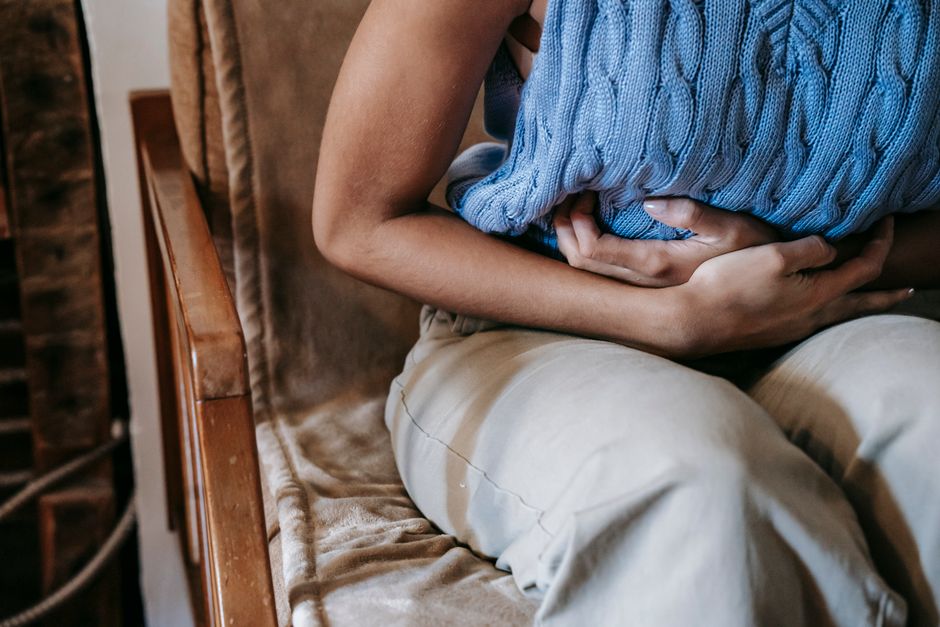
Healing your gut comes down to three connected parts: what you eat, how you manage stress, and how much time you give it. The most proven method is to remove foods that irritate your system, add foods that support digestion, and practice daily stress reduction. Real gut healing typically takes weeks to months, not days, because the intestinal lining replaces itself slowly and the gut microbiome shifts gradually.
What Does “Healing Your Gut” Actually Mean?
“Gut healing” is a broad phrase. It can mean fixing the lining of your intestines, balancing your gut bacteria, or calming chronic inflammation. These are different problems with different timelines.
Your intestinal lining is a single layer of cells that separates your digestive tract from your bloodstream. When that layer becomes irritated, gaps can form between the cells. This is often called “leaky gut” in popular media. The medical term is increased intestinal permeability. Some research supports this concept, and some does not. What is clear is that chronic gut irritation causes real symptoms like bloating, pain, and irregular bowel habits.
The gut microbiome — the collection of bacteria, fungi, and viruses living in your colon — also plays a role. A diverse microbiome is generally associated with better digestion and immune function. But the science of exactly which bacteria are “good” and which are “bad” is still developing. No single probiotic or food has been proven to create a perfect microbiome.
How Do I Heal My Gut Diet Stress Timeline? Proven Methods
The evidence points to a simple framework: remove what harms, add what helps, and manage stress consistently. The timeline depends on how severe your symptoms are and how consistently you follow the plan.
For mild bloating or occasional discomfort, you may notice improvement within one to two weeks of dietary changes. For more serious conditions like inflammatory bowel disease or diagnosed food intolerances, meaningful healing can take two to three months. The intestinal lining itself turns over roughly every two to three weeks, but repairing chronic inflammation takes longer.
No single diet is proven to heal everyone’s gut. The most-studied approaches are the Mediterranean diet, which emphasizes vegetables, fruits, whole grains, fish, and olive oil, and the low-FODMAP diet, which temporarily removes fermentable carbohydrates that cause gas and bloating. Both have solid research behind them for symptom improvement.
Which Foods Support Gut Healing?
Fiber is the single most important nutrient for gut health. Your colon bacteria ferment fiber into short-chain fatty acids like butyrate. Butyrate is the main fuel source for the cells lining your colon. It helps maintain a healthy barrier and reduces inflammation.
Foods rich in soluble fiber include oats, barley, beans, lentils, apples, and carrots. These are gentle on the gut and feed beneficial bacteria. Insoluble fiber from whole grains and leafy vegetables adds bulk to stool and helps with regularity. If you currently eat very little fiber, increase it gradually. A sudden jump can cause gas and bloating.
Fermented foods are another evidence-based addition. Yogurt with live cultures, kefir, sauerkraut, kimchi, and miso contain beneficial bacteria. Some research suggests regular consumption of fermented foods increases microbiome diversity. Not everyone tolerates fermented foods well, especially during an active flare-up, so start with small amounts.
Polyphenols — plant compounds found in green tea, berries, dark chocolate, and olive oil — also support gut health. They act as antioxidants and may encourage the growth of beneficial bacteria. These foods carry no major downside for most people.


Which Foods Delay Gut Healing?
Highly processed foods are the clearest problem. Diets high in ultra-processed foods are consistently linked to worse gut health in large observational studies. These foods often contain emulsifiers, artificial sweeteners, and preservatives that may irritate the intestinal lining.
Specific triggers vary from person to person. The most common culprits are:
- Dairy products, especially for people with lactose intolerance
- Gluten, for people with celiac disease or non-celiac gluten sensitivity
- High-fat fried foods, which slow digestion and can trigger reflux or bloating
- Artificial sweeteners like sorbitol and mannitol, which ferment in the colon
- Alcohol, which irritates the stomach lining and alters the microbiome
An elimination diet is the most reliable way to find your personal triggers. Remove suspected foods for two to four weeks, then reintroduce them one at a time. Keep a symptom diary. If a food causes symptoms when reintroduced, you have found a trigger.
Do not remove entire food groups without a reason. A gluten-free diet is not healthier for people without gluten sensitivity. Dairy is not harmful for people who tolerate it.
How Does Stress Affect Your Gut?
The gut and brain are directly connected through the vagus nerve. Stress triggers the nervous system to shift into “fight or flight” mode, which slows digestion and reduces blood flow to the intestines. This can cause cramping, nausea, and changes in bowel habits.
Chronic stress also changes the microbiome. Studies on both animals and humans show that prolonged stress reduces beneficial bacteria and increases inflammation. The exact mechanism is not fully understood, but the effect is real.
Stress management is not optional for gut healing. It is as important as diet. The evidence is strongest for these approaches:
- Mindfulness-based stress reduction, which has been shown to reduce symptoms in people with irritable bowel syndrome
- Deep breathing exercises, which activate the parasympathetic “rest and digest” system
- Regular physical activity, which supports both digestion and mood
- Consistent sleep, since poor sleep increases inflammation and alters the microbiome
You do not need an elaborate routine. Ten minutes of deep breathing or a daily walk can make a measurable difference. The key is consistency, not intensity.
What Is a Realistic Gut Healing Timeline?
Expect gradual change, not overnight transformation. Here is what the evidence suggests for typical timelines:
- Days 1–7: You may notice reduced bloating and more regular bowel movements once you remove obvious triggers.
- Weeks 2–4: Microbiome diversity begins to shift with consistent fiber intake. Digestive comfort often improves.
- Weeks 6–12: The intestinal lining has had time to regenerate. People with chronic symptoms often see their biggest improvements in this window.
- Months 3 and beyond: Maintenance phase. Long-term dietary patterns and stress habits determine whether improvements last.
These timelines are general patterns, not guarantees. Some people improve faster. Some need more time, especially if they have an underlying condition like celiac disease, Crohn’s disease, or ulcerative colitis. If your symptoms do not improve after several weeks of consistent changes, see a doctor.
When Should You See a Doctor?
Diet and stress changes help many people, but they do not treat everything. See a doctor if you have any of these signs:
- Blood in your stool
- Unexplained weight loss
- Severe or worsening abdominal pain
- Chronic diarrhea or constipation lasting more than a few weeks
- Difficulty swallowing
These symptoms can indicate conditions that require medical treatment, not just dietary changes. A gastroenterologist can run tests to rule out celiac disease, inflammatory bowel disease, infections, or other conditions.
Also talk to your doctor before starting any elimination diet if you have a history of disordered eating, are pregnant, or are managing a chronic condition. Restrictive diets can be risky in these situations.
What About Supplements and Probiotics?
The supplement market for gut health is large and mostly unproven. Probiotics are the most studied category, but the evidence is mixed. Different strains have different effects, and a supplement that helps one person may do nothing for another.
Some research supports specific probiotic strains for specific conditions, like certain strains for antibiotic-associated diarrhea or for reducing symptoms in irritable bowel syndrome. But no probiotic has been proven to “heal” the gut in a general sense. Food sources of probiotics are a reasonable first choice because they also provide nutrients.
Other popular supplements — like collagen, L-glutamine, and bone broth — have biological plausibility but very little clinical evidence. No large human trials have confirmed that these supplements repair the intestinal lining. They are not harmful in typical amounts, but they are not proven treatments either.
Frequently Asked Questions
How long does it take to heal your gut?
Most people notice initial improvements within one to two weeks of dietary changes, but meaningful healing typically takes six to twelve weeks. The intestinal lining regenerates every few weeks, but chronic inflammation takes longer to resolve.
What foods heal the gut fastest?
No food heals the gut quickly on its own. A consistent pattern of high-fiber foods, fermented foods, and polyphenol-rich plants supports healing over time. Removing processed foods and personal triggers matters more than adding any single “superfood.”
Can stress alone cause gut problems?
Yes. Stress directly affects digestion through the nervous system and can worsen symptoms like bloating, cramping, and irregular bowel habits. Chronic stress also shifts the microbiome in ways that increase inflammation.
Do probiotics actually help heal your gut?
Some probiotic strains help with specific conditions like antibiotic-related diarrhea or irritable bowel syndrome symptoms. No probiotic has been proven to heal the gut lining in general, and results vary widely between individuals.
