
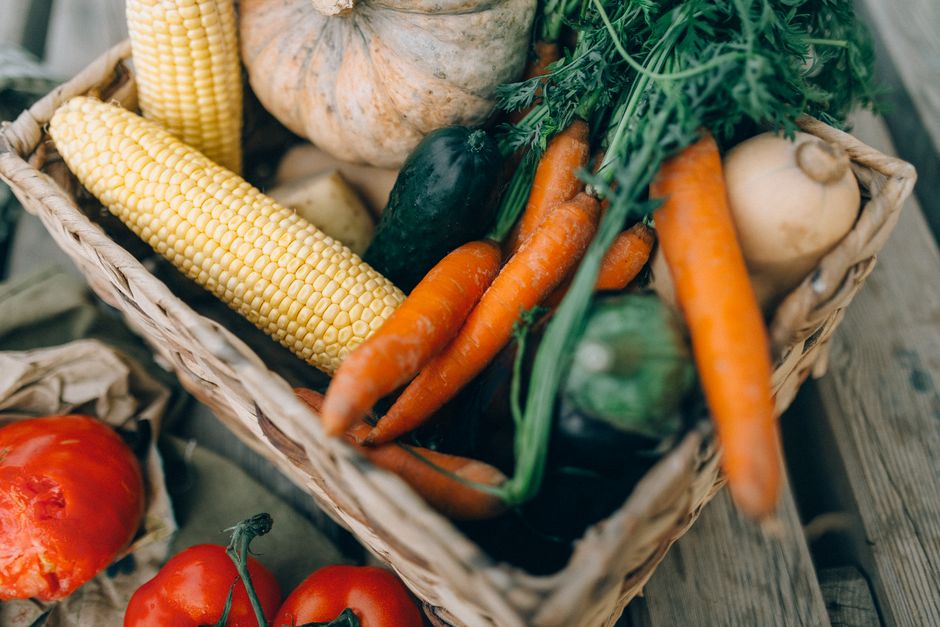
Gut health comes down to what you feed the trillions of bacteria living in your digestive tract. The most reliable way to support a healthy gut is to eat a wide variety of vegetables, especially those high in fiber and plant compounds. For most people, the best choices are leafy greens, cruciferous vegetables like broccoli and cabbage, onions and garlic, and colorful root vegetables like carrots and beets.
What Vegetables Are Good For Gut Health? Proven Methods
The vegetables that help your gut most are the ones that feed your beneficial bacteria. These are vegetables rich in dietary fiber, particularly a type called prebiotic fiber. Your body cannot digest this fiber, so it travels to the colon, where your gut bacteria ferment it. That fermentation produces short-chain fatty acids, which are the primary fuel for the cells lining your colon. A healthy colon lining supports better digestion and a stronger intestinal barrier.
Eating a variety of vegetables matters more than eating a large amount of any single one. Different vegetables contain different types of fiber and plant compounds, which feed different strains of bacteria. A diverse gut microbiome is generally considered a marker of better health.
Which Vegetables Are Highest in Prebiotic Fiber?
Prebiotic fiber is the specific type of fiber that gut bacteria ferment. It is found in many vegetables, but some are particularly rich sources. These vegetables are often called prebiotic foods because they directly support beneficial bacteria growth.
- Jerusalem artichokes — also called sunchokes, these are among the richest sources of inulin, a well-studied prebiotic fiber.
- Garlic and onions — both contain inulin and fructooligosaccharides, which feed beneficial bacteria.
- Leeks and shallots — related to onions, they offer similar prebiotic benefits.
- Asparagus — a good source of inulin, though lower than Jerusalem artichokes.
- Chicory root — often used as a fiber supplement, but the vegetable itself is less common in typical meals.
If you are not used to eating large amounts of these vegetables, start slowly. A sudden increase in prebiotic fiber can cause gas and bloating as your bacteria adjust. Gradually increasing your intake over a few weeks usually helps your digestive system adapt.
Do Leafy Greens Support Gut Health?
Leafy greens like spinach, kale, Swiss chard, and romaine lettuce support gut health through a different mechanism. They are not as high in prebiotic fiber as onions or asparagus, but they provide large amounts of a sugar called sulfoquinovose. Some research suggests this sugar feeds beneficial bacteria in the gut, though this area of study is still developing.
Leafy greens also provide magnesium, which supports regular bowel movements. They add bulk to stool, which helps prevent constipation. For people who struggle with irregularity, increasing leafy greens is a practical first step.
Cooked leafy greens are easier to digest than raw ones. Cooking breaks down some of the tough cell walls, making nutrients more available. If raw greens cause bloating, try lightly steaming or sautéing them.




How Do Cruciferous Vegetables Affect the Gut?
Cruciferous vegetables include broccoli, cauliflower, cabbage, Brussels sprouts, and kale. These vegetables contain glucosinolates, sulfur-containing compounds that break down during digestion. Some of these breakdown products have been studied for their effects on gut health and inflammation.
These vegetables are also good sources of fiber, particularly insoluble fiber, which adds bulk to stool and supports regular bowel movements. The fiber in cruciferous vegetables is fermented by gut bacteria, producing the same beneficial short-chain fatty acids as other fiber sources.
One note: cruciferous vegetables are notorious for causing gas. This is because they contain raffinose, a complex sugar that humans cannot digest. Your gut bacteria ferment it, producing gas as a byproduct. This is not harmful, but it can be uncomfortable. Cooking these vegetables thoroughly and introducing them gradually can help reduce gas.
Are Root Vegetables Good for Your Gut?
Root vegetables like carrots, beets, sweet potatoes, and parsnips offer a different fiber profile than leafy greens or cruciferous vegetables. They contain both soluble and insoluble fiber, which supports gut health in multiple ways.
Carrots are a gentle vegetable for most digestive systems. They provide pectin, a soluble fiber that forms a gel in the digestive tract and can help regulate bowel movements. Beets are rich in fiber and also contain betalains, pigments with antioxidant properties. Sweet potatoes are a good source of resistant starch, especially when cooked and then cooled. Resistant starch acts like prebiotic fiber, feeding beneficial bacteria.
Root vegetables are generally well tolerated, making them a good option for people with sensitive stomachs. They are also versatile and easy to incorporate into meals.
What About Fermented Vegetables?
Fermented vegetables like sauerkraut, kimchi, and pickles made with live cultures are a different category. These foods contain live bacteria, which is why they are sometimes called probiotics. Eating them introduces beneficial bacteria directly into your digestive tract.
Not all fermented vegetables contain live bacteria. Many commercial pickles and some sauerkraut products are pasteurized, which kills the bacteria. To get live cultures, look for products that are refrigerated and labeled as containing live cultures, or ferment vegetables at home.
Fermented vegetables also contain the same fiber as their fresh counterparts, so they offer a combination of prebiotic fiber and live bacteria. Research on fermented foods and gut health is promising, but it is still an emerging area. Some studies suggest that regular consumption of fermented foods can increase gut microbiome diversity, but results vary between individuals.
Which Vegetables Should You Avoid for Gut Health?
There is no universal list of vegetables to avoid for gut health. Most vegetables are beneficial for most people. However, some people with specific conditions may need to limit certain vegetables.
People with irritable bowel syndrome, or IBS, often find that certain vegetables trigger symptoms. These include vegetables high in fermentable carbohydrates, known as FODMAPs. Onions, garlic, cauliflower, and mushrooms are high in FODMAPs. The low-FODMAP diet, which temporarily restricts these foods, is a clinically validated approach for managing IBS symptoms. It is not meant to be followed long-term, and reintroduction is guided by a healthcare professional.
People with inflammatory bowel disease, such as Crohn’s disease or ulcerative colitis, may also need to adjust their vegetable intake during flare-ups. High-fiber vegetables can be hard to digest during active inflammation. Cooking vegetables thoroughly and choosing low-fiber options like peeled zucchini or well-cooked carrots may be better tolerated. This guidance should come from a gastroenterologist or registered dietitian, as individual tolerance varies.
If a specific vegetable consistently causes discomfort for you, that does not mean all vegetables are problematic. It means that particular vegetable may not suit your digestive system right now. Cooking methods matter too. Steaming or roasting vegetables makes them easier to digest than eating them raw.
How Much Vegetable Intake Supports Gut Health?
General dietary guidance recommends filling half your plate with vegetables and fruits at each meal. This is a practical target that most people can work toward. The key is variety. Aim to eat different colored vegetables throughout the week, as different colors often indicate different nutrients and fiber types.
Fiber recommendations are well established. The USDA dietary guidelines recommend about 14 grams of fiber per 1,000 calories consumed. For most adults, this translates to roughly 25 to 35 grams per day. Most Americans fall short of this, averaging closer to 15 grams daily.
If you are increasing your fiber intake, do it gradually. Sudden large increases can cause bloating, gas, and cramping. Increase your intake by a few grams per week and drink plenty of water. Fiber absorbs water, so adequate hydration is necessary for fiber to work properly.
Does Cooking Affect the Gut Health Benefits of Vegetables?
Cooking changes the fiber structure of vegetables, but it does not eliminate their gut health benefits. Some fiber becomes more accessible to gut bacteria after cooking. Other types of fiber are partially broken down by heat.
Both raw and cooked vegetables support gut health. Raw vegetables provide more of certain heat-sensitive nutrients, like vitamin C. Cooked vegetables are often easier to digest and may make some nutrients more available, like lycopene in tomatoes or beta-carotene in carrots.
The best approach is a mix of both. Eating some vegetables raw and cooking others gives you the benefits of each preparation method.
Frequently Asked Questions
What is the single best vegetable for gut health?
There is no single best vegetable. A variety of fiber-rich vegetables, including leafy greens, onions, garlic, and root vegetables, supports a healthy gut better than any one vegetable alone.
Can eating too many vegetables cause gut problems?
Yes, a sudden large increase in high-fiber vegetables can cause gas, bloating, and cramping. Increase your intake gradually and cook vegetables thoroughly to reduce these effects.
Are frozen vegetables as good for gut health as fresh ones?
Frozen vegetables retain their fiber content and most of their nutrients. They are a practical and equally effective option for supporting gut health.
Do organic vegetables matter for gut health?
Organic vegetables are not proven to be better for gut health than conventionally grown ones. Both provide the same fiber and plant compounds that support your gut bacteria.
