
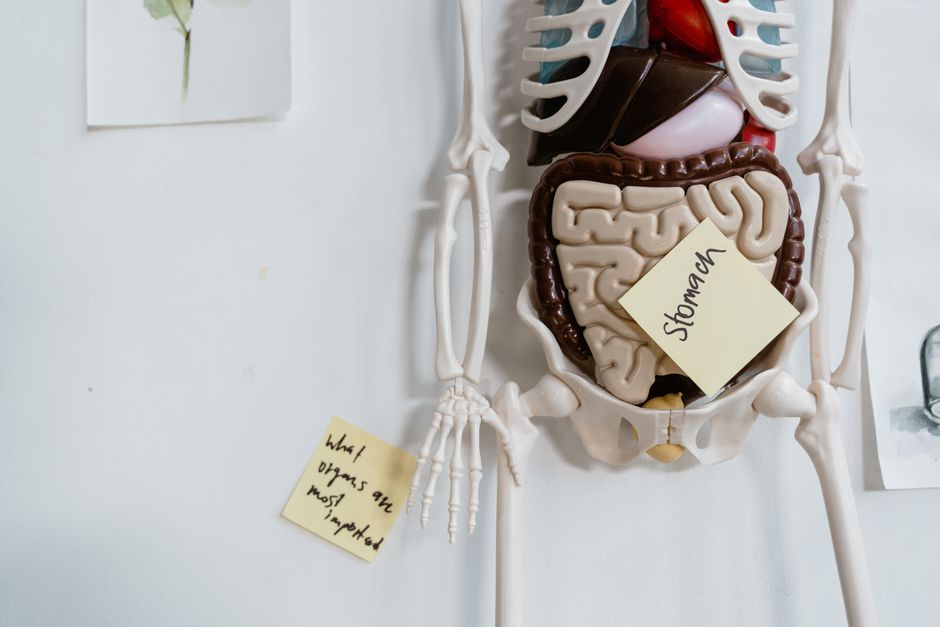
Gut health refers to the balance and function of the microorganisms living in your digestive tract, along with how well your intestines work. This community of bacteria, viruses, and fungi—called the gut microbiome—does far more than help digest food. It communicates directly with your brain, influences your immune system, and produces chemicals that affect your mood and energy. When your gut is out of balance, the effects can show up in your stomach, your head, and your overall sense of well-being.
What Is Gut Health How It Affects Mind And Body
Gut health is the state of your digestive system and the trillions of microbes that live inside it. A healthy gut has a diverse community of microorganisms, a strong intestinal lining, and proper digestion and absorption of nutrients. When this system works well, it supports your immune function, produces essential vitamins, and keeps inflammation low.
The connection between your gut and your brain is real and well-documented. The vagus nerve runs directly from your brainstem to your abdomen, carrying signals in both directions. Your gut microbes also produce neurotransmitters—chemical messengers like serotonin and dopamine—that influence mood, sleep, and stress levels. This is why digestive problems often come with anxiety, brain fog, or low mood.
What Does the Gut Microbiome Actually Do?
Your gut microbiome is a collection of bacteria, viruses, fungi, and other microbes that live mainly in your large intestine. Each person’s microbiome is unique, shaped by genetics, diet, environment, and early life experiences like how you were born and whether you were breastfed.
These microbes break down fiber that your body cannot digest on its own. In the process, they produce short-chain fatty acids like butyrate, which feed the cells lining your colon and help regulate inflammation. The microbiome also helps synthesize certain vitamins, including vitamin K and several B vitamins, and trains your immune system to tell the difference between harmful invaders and harmless substances.
A diverse microbiome is generally considered a marker of good health. More different species means more resilience—your gut can better handle changes in diet, stress, or illness. Low diversity has been linked in research to conditions like obesity, type 2 diabetes, and inflammatory bowel disease, though cause and effect are not always clear.
How Does Your Gut Talk to Your Brain?
The gut-brain axis is a two-way communication system. Signals travel from your gut to your brain and from your brain back to your gut. The vagus nerve is the main physical pathway, but your gut microbes also communicate through chemical signals in your blood.
About 90 percent of your body’s serotonin—a neurotransmitter that regulates mood, appetite, and sleep—is produced in your gut, not your brain. This does not mean that gut serotonin directly controls your mood; serotonin in the gut acts locally to regulate intestinal movement. But the production is influenced by your microbiome, and disruptions in this system can affect how you feel.
Your gut microbes also influence the hypothalamic-pituitary-adrenal (HPA) axis, which controls your stress response. When your gut is inflamed or out of balance, it can send stress signals to the brain. Chronic stress, in turn, can change the composition of your gut bacteria, creating a loop where stress harms your gut and a damaged gut amplifies stress.





What Are the Signs of Poor Gut Health?
Digestive symptoms are the most obvious signs. Persistent bloating, gas, constipation, diarrhea, or heartburn can all point to an imbalanced gut. But the effects are not limited to your stomach.
- Unexplained fatigue or low energy
- Brain fog or trouble concentrating
- Skin irritation like acne or eczema
- Frequent illnesses or slow-healing infections
- Mood changes including anxiety or irritability
- Food intolerances that seem to appear suddenly
These symptoms can have many causes, and having one of them does not mean your gut is the problem. But when several appear together and no other explanation is found, gut health is worth discussing with a doctor.
Can Improving Your Gut Health Change Your Mood?
Some research suggests yes, but the evidence is still developing. Studies have found that certain probiotic strains can reduce symptoms of anxiety and depression in some people. Other studies show that eating a diet rich in fiber and fermented foods can lower markers of inflammation and improve self-reported well-being.
However, no probiotic pill or special diet has been proven to cure depression or anxiety. The gut-brain connection is real, but it is only one piece of a complex mental health picture. Genetics, life circumstances, sleep, exercise, and social support all play major roles. If you are struggling with your mental health, professional treatment should not be replaced by dietary changes alone.
What is more strongly supported is the link between diet quality and mental health. Diets high in processed foods, added sugar, and unhealthy fats are associated with higher rates of depression. Diets rich in vegetables, fruits, whole grains, and fermented foods—like the Mediterranean diet—are associated with lower rates. This does not prove causation, but the pattern is consistent across multiple studies.
What Foods Support a Healthy Gut?
Fiber is the primary fuel for your gut microbes. When you eat fiber, your bacteria ferment it and produce beneficial compounds. Most adults should aim for 25 to 38 grams of fiber per day, but most Americans eat only about half that amount.
Good sources of fiber include beans, lentils, oats, barley, fruits, vegetables, nuts, and seeds. Variety matters as much as quantity. Different fibers feed different bacteria, so eating a wide range of plant foods supports a more diverse microbiome.
Fermented foods also support gut health by introducing live beneficial bacteria. Yogurt with active cultures, kefir, sauerkraut, kimchi, miso, and kombucha are common options. Some research published in medical journals has found that eating fermented foods regularly can increase microbiome diversity and reduce inflammatory markers.
Polyphenols—plant compounds found in berries, dark chocolate, green tea, coffee, and olive oil—also feed beneficial gut bacteria. These compounds are not digested in the small intestine; they travel to the colon where microbes break them down.
What Hurts Your Gut Microbiome?
Several factors are known to disrupt gut bacteria. Antibiotics are the most direct—they kill bacteria indiscriminately, including beneficial species. A course of antibiotics can significantly reduce microbiome diversity, and recovery can take weeks or months. Antibiotics are sometimes medically necessary, but they should only be used when prescribed.
A diet high in ultra-processed foods and low in fiber starves beneficial bacteria. Artificial sweeteners have been shown in some studies to alter the gut microbiome, though the health consequences are still being investigated. Chronic stress, poor sleep, and excessive alcohol use are also associated with less diverse gut communities.
It is important to note that many products marketed for gut health are not backed by strong evidence. Probiotic supplements can help in specific situations, like after antibiotic use, but the research on which strains work for which conditions is still limited. The supplement industry is not tightly regulated, and the bacteria in a product may not match what is on the label.
Should You Take Probiotics or Get Tested?
Probiotic supplements are not necessary for everyone. If you eat a varied diet with fermented foods, you are likely getting beneficial bacteria naturally. For specific conditions like antibiotic-associated diarrhea or irritable bowel syndrome, certain probiotic strains have shown benefit in clinical trials. But there is no universal probiotic that works for everyone.
Gut microbiome testing kits are widely sold online. These kits analyze a stool sample and tell you which bacteria are present. Some research supports their use in clinical settings, but the science of interpreting these results for healthy people is not settled. No test can currently tell you definitively that your gut is “healthy” or “unhealthy,” and the recommendations that come with these kits are often based on limited evidence.
If you have persistent digestive symptoms, see a doctor rather than relying on a home test. Conditions like celiac disease, inflammatory bowel disease, and infections require proper medical diagnosis. A doctor can order appropriate tests and help you interpret the results.
Frequently Asked Questions
Can gut health affect anxiety and depression?
Some research suggests a link, but the evidence is not strong enough to say that fixing your gut will cure anxiety or depression. Diet quality is associated with mental health outcomes, and the gut-brain connection is real, but mental health conditions require comprehensive treatment.
How long does it take to improve gut health?
Dietary changes can begin altering your microbiome within days, but meaningful shifts in diversity typically take weeks to months. Consistency matters more than any single meal or supplement.
Are probiotic supplements necessary for good gut health?
No, they are not necessary for most people. Eating a fiber-rich diet with fermented foods supports a healthy microbiome naturally, and the evidence for routine probiotic supplementation in healthy people is limited.
What is the fastest way to improve gut health?
There is no fast fix. Eating more plant-based fiber, reducing ultra-processed foods, managing stress, and getting adequate sleep are the most effective long-term strategies.
