
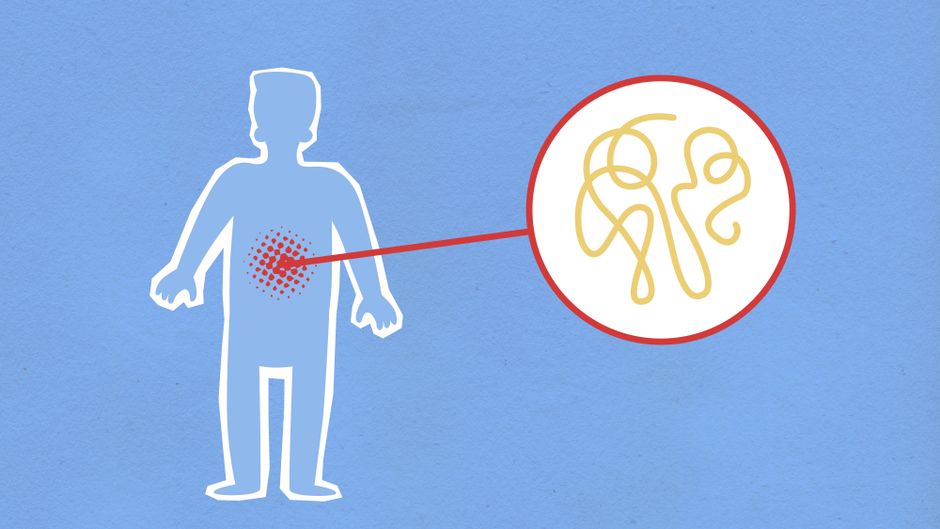
Your body turns food into poop through a remarkable process that takes about 24 to 72 hours from first bite to final exit. This journey involves five major organs working together in a coordinated sequence, and understanding each step can help you recognize when things are working well and when they are not.
How Your Body Makes Poop The Digestive Process?
The process starts in your mouth and ends in your toilet. Between those two points, your digestive system breaks food into tiny nutrients your body can use, absorbs what it needs, and compacts the leftover waste into stool.
Here is the short version. Your teeth and saliva start breaking food down. Your stomach adds acid and enzymes to turn it into liquid. Your small intestine pulls out the nutrients. Your large intestine removes water and salt. What remains becomes poop.
Each step matters. If one step slows down or speeds up, your stool changes. That is why your poop can tell you a lot about your health.
What Happens in the Mouth and Stomach?
Digestion begins the moment you chew. Your teeth grind food into smaller pieces while saliva adds enzymes that start breaking starches. This is the only mechanical breakdown that happens before food reaches your stomach.
Once you swallow, food travels down your esophagus into your stomach. Your stomach is a muscular bag that churns food while mixing it with hydrochloric acid and digestive enzymes. The acid kills most bacteria and begins breaking proteins into smaller chains.
After one to three hours, your stomach turns the food into a semi-liquid mixture called chyme. Your stomach then releases this chyme into the small intestine in small squirts. It does this gradually so your small intestine is not overwhelmed.
How the Small Intestine Absorbs Nutrients
Your small intestine is about 20 feet long. It is the main place where your body absorbs nutrients from food. Most people think the stomach does the heavy lifting, but the small intestine is where the real work happens.
When chyme enters the small intestine, your pancreas and gallbladder release enzymes and bile into the mix. These enzymes break down fats, proteins, and carbohydrates into molecules small enough to pass through your intestinal wall. Bile, made by your liver and stored in your gallbladder, helps break down fats specifically.
The inner surface of your small intestine is covered with tiny finger-like projections called villi. These villi increase the surface area for absorption. Nutrients pass through the villi into your bloodstream and travel to your liver for processing.
By the time the contents reach the end of your small intestine, most of the nutrients have been absorbed. What remains is mostly water, indigestible fiber, dead cells from your intestinal lining, and bacteria.





What the Large Intestine Does with Waste
The large intestine, also called the colon, is about five feet long. Its main job is to absorb water and electrolytes from the remaining material. This turns the liquid waste into solid stool.
Your colon is home to trillions of bacteria. These bacteria break down any remaining fiber and produce vitamins like vitamin K and some B vitamins. They also produce gas, which is a normal part of the process.
As the colon absorbs water, the stool becomes firmer. If the process moves too quickly, not enough water is absorbed and you get diarrhea. If it moves too slowly, too much water is absorbed and you get constipation.
The colon slowly pushes the stool toward the rectum. This movement is called peristalsis. It is controlled by muscles in the colon wall and can be influenced by what you eat, how much you exercise, and your stress levels.
How the Rectum Signals It Is Time to Go
Your rectum is the last six to eight inches of your large intestine. Its job is to hold stool until you are ready to have a bowel movement.
When stool fills the rectum, stretch receptors in the wall send a signal to your brain. This signal tells you that you need to poop. You can either relax your external anal sphincter to let stool out or tighten it to hold it in.
Over time, if you ignore these signals regularly, your rectum can become less sensitive. This can lead to constipation. It is important to go when you feel the urge rather than holding it for long periods.
When you do sit on the toilet, your body coordinates several actions at once. Your abdominal muscles contract. Your diaphragm pushes down. The muscles in your rectum and anus relax. This combination pushes stool out.
What Normal Poop Looks Like and Why
Healthy stool is usually brown because of bilirubin, a pigment that comes from broken-down red blood cells. Your liver processes bilirubin and sends it into the intestine through bile. Bacteria in your gut then change it into the brown color you see.
Normal stool is soft but formed. It should be shaped like a sausage or a log and pass easily without straining. The Bristol Stool Chart is a tool doctors use to classify stool types. Types 3 and 4 are considered normal. Type 1 and 2 indicate constipation. Types 5, 6, and 7 indicate diarrhea.
Color can vary based on what you eat. Green stool can come from eating leafy greens or foods with green food coloring. Orange stool can come from beta-carotene in carrots or sweet potatoes. Black stool can be from iron supplements or bismuth medications like Pepto-Bismol. But black or tarry stool can also signal bleeding in your upper digestive tract, so it is worth checking with a doctor if you are unsure.
Floating stool is usually not a problem. It can happen when you eat a lot of fiber or gas-producing foods. But if your stool floats consistently and looks greasy or pale, it could mean your body is not absorbing fat properly. This warrants a discussion with your healthcare provider.
How Long the Whole Process Takes
The entire journey from mouth to toilet typically takes 24 to 72 hours. But this varies widely from person to person and even day to day for the same person.
Food spends about two to five hours in your stomach. It then takes two to six hours to move through your small intestine. The large intestine is the slowest part, taking anywhere from 10 to 50 hours to move waste through.
Fiber speeds up transit time through the large intestine. A high-fiber diet can reduce transit time to around 24 hours. A low-fiber diet can extend it to 72 hours or more. This is one reason fiber helps prevent constipation.
Stress, hydration, exercise, and medications all affect transit time. If you notice a sudden change in how often you go, pay attention. Occasional changes are normal. Persistent changes are worth discussing with a doctor.
What Affects Digestion and Poop Quality
Diet is the biggest factor. Fiber from fruits, vegetables, whole grains, and legumes adds bulk to stool and helps it move through the colon. Water helps fiber work properly. Without enough water, fiber can actually make constipation worse.
Exercise stimulates the muscles in your colon. Regular physical activity helps keep things moving. Sedentary behavior is linked to slower transit times and more constipation.
Stress affects digestion through the gut-brain axis. Your gut has its own nervous system that communicates with your brain. Stress can slow down or speed up digestion, leading to constipation or diarrhea. This is not in your head. It is a real biological connection.
Medications can change your stool. Opioid painkillers, some antidepressants, iron supplements, and calcium supplements commonly cause constipation. Antibiotics can disrupt your gut bacteria and cause diarrhea. Always check with your pharmacist if you notice a change after starting a new medication.
Frequently Asked Questions
How long does it take for food to turn into poop?
It takes 24 to 72 hours from the time you eat to when the waste leaves your body. The large intestine is the slowest part, taking 10 to 50 hours to move waste through.
What color should healthy poop be?
Healthy poop is typically brown because of bilirubin from broken-down red blood cells. Green, orange, or yellow can come from foods or dyes, but black or pale clay-colored stool may signal a problem.
Why does fiber help with constipation?
Fiber adds bulk to stool and absorbs water, which makes stool softer and easier to pass. It also speeds up transit time through the large intestine, reducing the amount of water absorbed from the waste.
Is it normal to poop every day?
Normal frequency ranges from three times per day to three times per week. What matters more is consistency and ease of passage. A sudden change in your usual pattern is more concerning than the exact number.
