

Every bite of food you take starts a journey that ends in the bathroom. That journey is the digestive process, and it transforms a sandwich or a salad into nutrients your body can use and waste it can eliminate. The entire trip takes about 24 to 72 hours from your first bite to the toilet bowl. Digestion is not a single event. It is a coordinated sequence of mechanical and chemical steps that break food down, absorb what you need, and package the rest into stool.
What Happens in the Mouth and Stomach?
Digestion begins the moment food enters your mouth. Your teeth tear and grind food into smaller pieces. Saliva moistens the food and contains an enzyme called amylase that starts breaking down carbohydrates. Chewing is not optional. Smaller particles mean more surface area for digestive juices to work on later.
Once you swallow, food travels down the esophagus through rhythmic muscle contractions called peristalsis. This is not gravity pulling food down. Even if you ate while standing on your head, peristalsis would still push the food to your stomach.
The stomach is a muscular sac that churns food into a semi-liquid mixture called chyme. It releases gastric juice containing hydrochloric acid and the enzyme pepsin. The acid kills many bacteria in food and creates the environment pepsin needs to begin breaking down proteins. The stomach does not absorb many nutrients directly. Its main job is mechanical mixing and the start of protein digestion.
How Does the Small Intestine Absorb Nutrients?
Chyme moves from the stomach into the small intestine in small squirts. The small intestine is where almost all nutrient absorption takes place. Despite its name, it is about 20 feet long in adults. It is coiled in the abdomen and lined with millions of finger-like projections called villi.
Three digestive juices work together here. The pancreas releases enzymes that break down carbohydrates, proteins, and fats. The liver produces bile, which is stored in the gallbladder and released to emulsify fats. The intestinal wall itself produces enzymes that finish the breakdown of sugars and proteins.
By the time chyme travels through the small intestine, carbohydrates are broken into simple sugars, proteins into amino acids, and fats into fatty acids. These molecules pass through the villi into your bloodstream. The blood carries them to the liver, which processes and distributes them to the rest of the body. This is the point where food actually becomes fuel.
What Role Does the Large Intestine Play in Forming Stool?
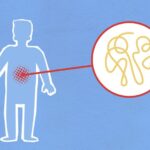
What remains after the small intestine finishes its work is mostly water, indigestible fiber, dead cells shed from the intestinal lining, and bacteria. This mixture moves into the large intestine, also called the colon. The colon is about 5 feet long and shaped roughly like an inverted U around the small intestine.
The colon has three main jobs. It absorbs water and electrolytes back into the body. It ferments some remaining fiber through the action of gut bacteria. And it stores and propels waste toward the rectum.
As water is removed, the contents become more solid. This is what turns liquid waste into formed stool. The longer waste stays in the colon, the more water is absorbed and the harder the stool becomes. This is why dehydration and delayed bowel movements produce constipation.


How Does Food Turn Into Poop The Digestive Process in the Colon?
The colon is not just a passive pipe. It hosts trillions of bacteria that make up your gut microbiome. These bacteria ferment soluble fiber and produce short-chain fatty acids, which feed the cells of the colon lining and support gut health. They also produce gas as a byproduct. That gas is a normal part of digestion and explains why everyone passes gas several times a day.
Indigestible materials like cellulose from plant cell walls pass through unchanged. These materials add bulk to stool. Bulk is important because it gives the colon muscles something to push against. Diets low in fiber produce small hard stools that are difficult to pass. Diets high in fiber produce softer, bulkier stools that move more easily.
The final stage of stool formation happens in the rectum. When enough stool accumulates, stretch receptors in the rectal wall signal the brain that it is time to go. Two sphincter muscles control the release. The internal one is involuntary. The external one is under your conscious control, which is what allows you to choose when to use the bathroom.
Why Does Transit Time Vary Between People?
Transit time is how long food takes to travel from mouth to toilet. Normal transit time ranges from about 24 to 72 hours. Some healthy people are faster. Some are slower. Neither is automatically a problem.
Several factors influence transit time. Fiber intake speeds things up by adding bulk. Physical activity stimulates intestinal muscle contractions. Stress can speed up or slow down digestion depending on how your nervous system responds. Certain medications, including opioids and some antidepressants, slow transit significantly.
Your gut microbiome also plays a role. Some bacteria produce compounds that stimulate intestinal contractions. Others produce compounds that relax them. The balance of these bacterial populations varies from person to person and shifts with diet, illness, and antibiotic use.
What Does Healthy Stool Look Like?
Healthy stool is typically brown, soft but formed, and easy to pass. The brown color comes from bilirubin, a breakdown product of old red blood cells that the liver excretes into bile. When bilirubin reaches the colon, bacteria convert it into a pigment called stercobilin, which gives stool its characteristic color.
The Bristol Stool Chart is a tool clinicians use to classify stool into seven types. Types 1 and 2 indicate constipation with hard separate lumps or a lumpy sausage shape. Types 3 and 4 are considered normal, with type 4 being a smooth soft sausage or snake shape. Types 5 through 7 indicate progressively looser stool, with type 7 being entirely liquid.
You should not obsess over daily bowel movements. Normal frequency ranges from three times per day to three times per week. What matters more is consistency and ease of passage. A sudden persistent change in your bowel habits, especially after age 50, warrants a discussion with your doctor.
What Happens When Digestion Goes Wrong?
Digestive problems are common and range from mild to serious. Constipation affects many adults and is usually related to low fiber intake, inadequate fluid consumption, or lack of physical activity. Increasing fiber gradually and drinking more water resolves most cases.
Diarrhea occurs when the colon does not absorb enough water or when contents move through too quickly. Most cases are caused by viral infections and resolve within a few days. Persistent diarrhea lasting more than a few weeks may indicate conditions like celiac disease, inflammatory bowel disease, or malabsorption disorders.
Gastroesophageal reflux disease, commonly called GERD, happens when stomach acid flows backward into the esophagus. This causes heartburn and can damage the esophageal lining over time. Some research suggests that obesity, certain foods, and smoking increase reflux risk.
Irritable bowel syndrome is a functional disorder where the gut looks normal but works abnormally. It causes cramping, bloating, and alternating constipation and diarrhea. The exact cause is not fully understood, and treatment focuses on managing symptoms rather than curing the condition.
Watch for warning signs that require medical evaluation. These include blood in stool, black tarry stool, unintentional weight loss, severe abdominal pain, persistent vomiting, or a change in bowel habits lasting more than a few weeks. These symptoms do not automatically mean something serious, but they deserve proper assessment.
Frequently Asked Questions
How long does it take for food to become poop?
The complete process takes about 24 to 72 hours from eating to elimination. Individual transit time varies based on diet, activity, and personal physiology.
Why is my poop brown?
Brown color comes from stercobilin, a pigment produced when bacteria in the colon break down bilirubin from old red blood cells. Pale, clay-colored stool can indicate a bile flow problem and should be evaluated.
Is it normal to poop only three times a week?
Yes, normal bowel frequency ranges from three times per day to three times per week. Consistency and ease of passage matter more than exact frequency.
What foods make digestion easier?
Foods high in soluble and insoluble fiber, such as fruits, vegetables, whole grains, and legumes, support regular bowel movements. Drinking adequate water alongside fiber is essential because fiber needs fluid to form soft stool.
