

After gallbladder removal surgery, your body still makes the digestive enzymes it needs. The gallbladder does not produce enzymes. It stores bile. Many people do not need enzyme supplements after surgery, but some do benefit from them. The answer depends on how your digestive system adapts to life without a gallbladder.
What the Gallbladder Actually Does
The gallbladder is a small organ tucked under your liver. It acts like a storage tank. Your liver makes bile continuously, and the gallbladder holds it until you eat. When food enters your small intestine, the gallbladder squeezes bile out to help break down fats.
Bile is not an enzyme. It is a digestive fluid that helps emulsify fat, which means it breaks large fat globules into smaller droplets. This makes it easier for lipase, the fat-digesting enzyme, to do its work.
Without a gallbladder, bile drips directly from the liver into the small intestine. It is less concentrated and not released in one strong burst. Some people digest fats fine this way. Others experience bloating, diarrhea, or fatty stools.
Do You Need Digestive Enzymes After Gallbladder Removal?
Most people do not need digestive enzyme supplements after gallbladder removal. The pancreas still produces lipase, amylase, and protease. These are the main enzymes that break down fats, carbohydrates, and proteins.
What changes is bile flow, not enzyme production. Enzyme supplements do not replace bile. They add more enzymes to your digestive tract. If your problem is fat malabsorption due to weaker bile flow, extra enzymes alone may not fix it.
Some people do benefit from enzyme supplements, especially when taken alongside bile salts or ox bile. But this combination is not right for everyone. It depends on your symptoms and how your body adapts after surgery.
Common Digestive Problems After Gallbladder Removal
Digestive issues after gallbladder removal are common. Up to 40 percent of people experience some digestive symptoms in the months after surgery. Most improve over time as the body adapts.
The most frequent problems include:
- Diarrhea, especially after fatty meals
- Bloating and gas
- Abdominal cramping
- Greasy or floating stools
- Nausea after eating
These symptoms usually happen because bile is now constantly dripping into the intestine. It can irritate the bowel, especially when no food is present. Some bile also reaches the colon, which can cause watery stools.
For most people, these symptoms are temporary. The body gradually adjusts, and the digestive tract learns to work with continuous bile flow.

Who Might Benefit from Enzyme Supplements
Enzyme supplements may help certain people after gallbladder removal. Those with persistent fat malabsorption are the most likely candidates.
Signs of fat malabsorption include:
- Oily or greasy stools that float
- Stools that are difficult to flush
- Unexplained weight loss
- Frequent diarrhea after meals
If you have these symptoms, talk to your doctor. They may recommend a stool test to check for fat in your stool. This test, called a fecal fat test, can confirm whether your body is actually failing to absorb fat.
Some clinicians recommend pancreatic enzyme replacement therapy for these cases. This is different from over-the-counter enzyme supplements. Prescription pancreatic enzymes are stronger and more precisely dosed. They are designed for people with pancreatic insufficiency, not primarily for post-gallbladder surgery.
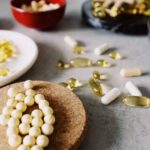
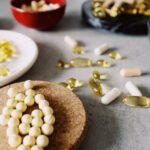
For mild cases, some doctors suggest over-the-counter lipase supplements. The evidence that these help after gallbladder removal is limited. Some people report improvement, but no large clinical trials have confirmed this benefit.
What the Research Shows
Research on digestive enzymes after gallbladder removal is sparse. Most studies focus on bile acid diarrhea, not enzyme deficiency. This is an important distinction.
Bile acid diarrhea happens when excess bile reaches the colon and irritates it. The treatment for this is not enzymes. It is a medication called a bile acid sequestrant, which binds to bile acids and stops them from irritating the bowel.
Some research suggests that people with persistent diarrhea after gallbladder removal may have bile acid malabsorption. In these cases, enzyme supplements would not address the root cause.
For people with genuine fat malabsorption, the evidence is different. A small number of studies have looked at pancreatic enzyme supplements in this group. Results are mixed. Some show improvement in stool frequency and fat absorption. Others show no significant benefit over placebo.
This is an area where clinical experience varies. Some gastroenterologists recommend a trial of enzymes. Others do not, because the underlying problem is bile flow, not enzyme output.
Alternatives to Enzyme Supplements
Before adding supplements, most doctors recommend dietary changes. These are often more effective and have fewer side effects.
Eating smaller, more frequent meals is one of the most helpful strategies. Smaller meals put less demand on bile flow at one time. This can reduce bloating and diarrhea.
Limiting high-fat foods is another common recommendation. This does not mean eliminating fat entirely. It means choosing healthier fats and eating them in moderation. Avocados, nuts, and olive oil are often better tolerated than fried foods or heavy cream sauces.
Increasing soluble fiber can also help. Fiber binds to excess bile in the intestine, which can reduce diarrhea. Oats, barley, apples, and psyllium husk are good sources. Some doctors recommend psyllium powder specifically for post-gallbladder diarrhea.
These changes are not a cure. They are management strategies. Many people find they only need them for the first few months after surgery.
Risks and Side Effects of Enzyme Supplements
Digestive enzyme supplements are generally safe when taken as directed. But they are not without risks.
Common side effects include:
- Nausea
- Abdominal cramping
- Diarrhea
- Constipation
High doses of pancreatic enzymes can cause more serious problems. One rare but serious condition is fibrosing colonopathy, which causes narrowing of the colon. This has been reported mainly in people taking very high doses of prescription pancreatic enzymes for cystic fibrosis. It is not a realistic risk at normal over-the-counter doses, but it is worth knowing that higher is not better.
Enzyme supplements can also interact with other medications. They may reduce the absorption of certain drugs, including some blood thinners and antacids. If you take prescription medications, check with your pharmacist before starting enzymes.
People with gout or high uric acid levels should be cautious. Enzyme supplements can increase uric acid in the blood, which may worsen gout symptoms.
How to Choose an Enzyme Supplement
If you and your doctor decide to try enzyme supplements, quality matters. Not all products are the same.
Look for a product that lists specific enzyme activity, not just enzyme names. A label that says “lipase 10,000 FCC units” is more informative than one that just lists “lipase.” FCC units are a standardized measure of enzyme activity.
Lipase is the most important enzyme for fat digestion. If you are taking enzymes after gallbladder removal, lipase should be the main ingredient. Amylase and protease are less relevant unless you have broader digestive issues.
Enteric-coated capsules may be better for some people. This coating protects the enzymes from stomach acid, allowing them to reach the small intestine intact. However, not all studies show a clear advantage, and some people do fine with uncoated products.
Start with the lowest dose and increase gradually. This reduces the risk of digestive upset. Give it at least one to two weeks before deciding if it helps. Digestive adaptation takes time.
When to See a Doctor
Some symptoms after gallbladder removal need medical attention. Do not assume all digestive problems are normal.
See a doctor if you have:
- Severe abdominal pain
- Fever or chills
- Jaundice, which is yellowing of the skin or eyes
- Persistent diarrhea lasting more than a few weeks
- Unintended weight loss
- Dark urine or clay-colored stools
These symptoms can signal complications such as a bile duct injury, retained gallstone, or infection. They are not signs of enzyme deficiency.
For persistent but milder digestive symptoms, a gastroenterologist can help. They can run tests to determine whether your problem is bile acid diarrhea, fat malabsorption, or something else entirely. The right treatment depends on the correct diagnosis.
Frequently Asked Questions
Can I take digestive enzymes right after gallbladder surgery?
Wait until your surgeon clears you for normal eating and supplements. Most surgeons recommend waiting a few weeks until your digestive system settles.
Are over-the-counter enzymes as good as prescription ones?
No. Prescription pancreatic enzymes are more potent and precisely dosed, while over-the-counter products vary widely in quality and activity.
How long do digestive problems last after gallbladder removal?
Most people improve within a few months as the body adapts to continuous bile flow. Persistent symptoms beyond six months should be evaluated by a doctor.
Can I take ox bile instead of digestive enzymes?
Ox bile supplements are sometimes used to support fat digestion after gallbladder removal, but clinical evidence for this is limited. Talk to your doctor before trying them.
