
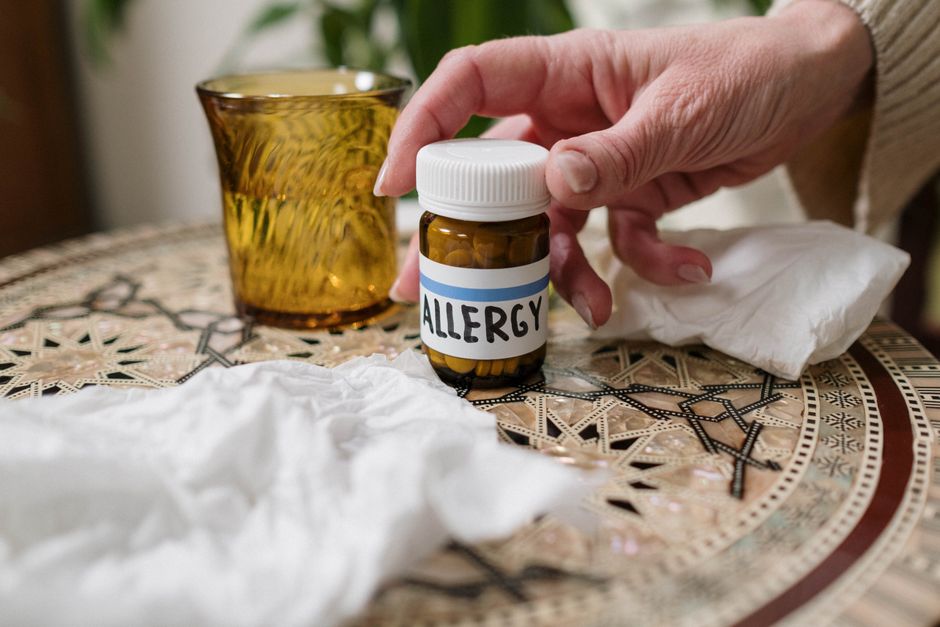
Pistachios are tree nuts, and they are a real food allergy trigger. For people with a pistachio allergy, eating even a small amount can cause symptoms ranging from mild itching to a life-threatening reaction called anaphylaxis. This allergy is not rare, and it is one of the more common tree nut allergies, especially in children and in regions where pistachios are eaten frequently.
Is Pistachio A Nut Allergy Symptoms And Risks?
Yes, pistachio is a true nut allergy. The immune system mistakenly treats proteins in the pistachio as a threat. It then releases chemicals like histamine to fight off the “invader,” which causes the allergic symptoms. The risks are real and can be serious, but most reactions are manageable with prompt treatment and careful avoidance.
Pistachios belong to the cashew family. In fact, the proteins in pistachios and cashews are so similar that many people allergic to one are also allergic to the other. This is called cross-reactivity. If you have a confirmed pistachio allergy, your doctor will likely advise you to avoid cashews as well.
What Are the Symptoms of a Pistachio Allergy?
Symptoms usually appear within minutes to two hours after eating pistachios. The first signs are often in the mouth: tingling, itching, or swelling of the lips, tongue, or throat. Skin reactions are also common and include hives, redness, or eczema flare-ups.
Gastrointestinal symptoms can follow, such as stomach cramps, nausea, vomiting, or diarrhea. These can happen alone or alongside other symptoms.
More serious symptoms involve breathing. Wheezing, shortness of breath, chest tightness, or a feeling that the throat is closing are warning signs. Dizziness, a sudden drop in blood pressure, or fainting can also occur. These severe symptoms together are anaphylaxis, a medical emergency.
How Common Is a Pistachio Allergy?
Tree nut allergy affects roughly 1 in 200 people in the United States. Pistachio is among the most common triggers, though the exact rate varies by region and diet. In countries where pistachios are a staple food, such as Iran and Turkey, the allergy rate is higher.
Pistachio allergy is more common in children than adults. Many children outgrow other food allergies, like milk or egg, but tree nut allergies are more persistent. Studies suggest only about 9 percent of children outgrow a tree nut allergy, and pistachio is not the most likely to resolve.
An allergy to one tree nut increases the risk of allergy to others. Beyond cashews, people with pistachio allergy may also react to almonds, walnuts, or hazelnuts, though this is not guaranteed. Each person’s allergy profile is different, and skin or blood testing helps clarify which nuts are safe.



What Is the Difference Between a Tree Nut Allergy and a Peanut Allergy?
This is a common point of confusion. Peanuts are legumes, not tree nuts. They grow underground in pods, like beans and lentils. Pistachios, almonds, walnuts, and cashews grow on trees and are true tree nuts.
Being allergic to pistachios does not automatically mean you are allergic to peanuts. The proteins are different. However, many people are allergic to both. This happens because they have a general tendency toward food allergy, not because the foods share the same allergenic proteins.
If you have a pistachio allergy, you should not assume peanuts are safe. Your allergist can test for peanut allergy separately. Likewise, a peanut allergy does not mean you will react to pistachios, but testing is the only reliable way to know.
How Is a Pistachio Allergy Diagnosed?
Diagnosis starts with a detailed medical history. Your doctor will ask what you ate, how much, and how quickly symptoms appeared. A food diary can help identify patterns, but it cannot confirm an allergy on its own.
Allergy testing is the next step. The two main types are skin prick tests and blood tests that measure specific IgE antibodies. Both have limitations. A positive test shows sensitization, meaning your immune system recognizes the protein, but it does not always mean you will have a reaction when eating the food.
The gold standard for diagnosis is an oral food challenge. Under medical supervision, you eat gradually increasing amounts of pistachio to see if a reaction occurs. This test is done in a clinic or hospital setting because of the risk of a severe reaction. It is the most accurate way to confirm or rule out a food allergy.
How Is a Pistachio Allergy Treated?
There is no cure for pistachio allergy. Strict avoidance is the primary management strategy. This means reading every food label and asking about ingredients when eating out.
Pistachios appear in many unexpected foods. They are common in ice cream, baked goods, pesto, and Middle Eastern dishes like baklava. They also show up in some sausages, salads, and spice blends. When in doubt, ask or avoid the food entirely.
For mild reactions like a few hives or mouth itching, an oral antihistamine may be enough. But antihistamines do not stop anaphylaxis. They should never be used as a substitute for epinephrine in a serious reaction.
Epinephrine is the first-line treatment for anaphylaxis. It comes in an auto-injector device, such as EpiPen or a generic version. If you have a pistachio allergy, your doctor will likely prescribe one. You should carry it at all times and know how to use it. Epinephrine works quickly to open airways and raise blood pressure. Even if you feel better after using it, you must go to an emergency room for monitoring, because symptoms can return.
What Are the Hidden Risks of Pistachio Allergy?
Cross-contamination is a major risk. Pistachios are often processed in facilities that also handle other tree nuts. Even if a product does not list pistachios as an ingredient, it may contain trace amounts from shared equipment. Labels that say “may contain tree nuts” are a warning that cross-contamination is possible.
Pistachio shells can also cause reactions. Touching the shells or the nut itself can cause contact hives in some people. The oil from the nut can linger on surfaces, so washing hands and surfaces after handling pistachios is important.
Another hidden risk is in non-food products. Some lotions, soaps, and cosmetics use pistachio oil or extracts. These can cause skin reactions or, in rare cases, a systemic reaction. Check ingredient lists on personal care products if you have a severe allergy.
Restaurant food is a common source of accidental exposure. Sauces, desserts, and garnishes may contain ground pistachios that are not obvious. Always inform your server about your allergy and ask specifically about pistachios, not just “nuts.” Many people say they are allergic to nuts, but staff may not realize that includes pistachios.
Can a Pistachio Allergy Be Outgrown?
It is possible but not common. Research indicates that about 9 percent of children with tree nut allergy outgrow it. Pistachio allergy is less likely to resolve than some other food allergies, but it is not impossible.
Children who outgrow a pistachio allergy tend to do so by early adolescence. A doctor can perform regular testing to see if the allergy is changing. If tests show declining sensitivity, an oral food challenge may be offered to confirm that the allergy has resolved.
Do not attempt to test this at home. Even if a previous reaction was mild, the next one could be severe. Only a doctor can safely determine whether a pistachio allergy has been outgrown.
Some emerging treatments, like oral immunotherapy, are being studied for tree nut allergies. This involves eating tiny, increasing amounts of the allergen under medical supervision to build tolerance. Results are promising, but this is not yet a standard, FDA-approved treatment for pistachio allergy. It should only be done in a clinical trial or specialized allergy clinic.
What Should You Do If You Suspect a Pistachio Allergy?
If you or your child has reacted to pistachios, see an allergist. Do not simply avoid pistachios and move on. A proper diagnosis is essential because it determines whether you need to carry epinephrine and which other foods to avoid.
If the reaction was severe, seek emergency care immediately, then follow up with an allergist. If the reaction was mild, still schedule an appointment. Mild symptoms now do not predict what future reactions will look like.
For anyone with a confirmed pistachio allergy, an action plan is essential. This plan should list symptoms, when to use epinephrine, and when to call 911. Share this plan with family members, teachers, and coworkers. Everyone who spends time with you should know how to recognize a reaction and what to do.
Frequently Asked Questions
Can you be allergic to pistachios but not other nuts?
Yes, it is possible to be allergic only to pistachios. However, because pistachio proteins are very similar to cashew proteins, allergy to both is common, and testing for other tree nuts is recommended.
How fast do pistachio allergy symptoms appear?
Symptoms typically appear within minutes to two hours after eating pistachios. The speed and severity vary from person to person and can change between reactions.
Is a pistachio allergy the same as a peanut allergy?
No. Peanuts are legumes, not tree nuts, and their allergenic proteins are different. Being allergic to one does not guarantee allergy to the other, though some people are allergic to both.
Can pistachio allergy cause anaphylaxis?
Yes, pistachio allergy can cause anaphylaxis, a severe and potentially life-threatening reaction. Symptoms include trouble breathing, dizziness, and throat swelling, and it requires immediate epinephrine and emergency care.
