
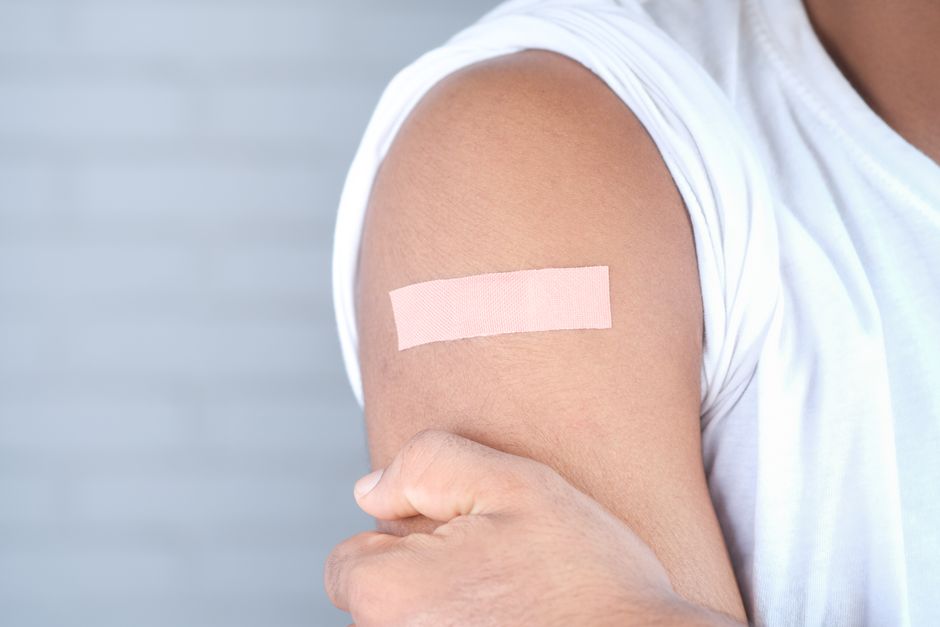
Vaccine safety is monitored through a layered system that starts with rigorous clinical trials and continues with active surveillance after a vaccine is in use. The rotavirus vaccine story illustrates this system perfectly: in 1999, the first rotavirus vaccine (RotaShield) was withdrawn from the market because post-licensure monitoring detected a rare but serious side effect called intussusception. This case changed how vaccine safety is monitored worldwide.
How was the first rotavirus vaccine (RotaShield) found to be unsafe?
The first rotavirus vaccine, RotaShield, was licensed in the United States in 1998. It was given to infants as an oral vaccine to prevent severe diarrhea caused by rotavirus. Soon after the vaccine entered routine use, the Vaccine Adverse Event Reporting System (VAERS) received reports of infants developing intussusception — a bowel obstruction that occurs when one part of the intestine folds into another.
Researchers at the Centers for Disease Control and Prevention (CDC) quickly investigated these reports. A study published in the New England Journal of Medicine confirmed that RotaShield increased the risk of intussusception, particularly within the first week after the first dose. By October 1999, the manufacturer voluntarily withdrew the vaccine from the market. This was not a failure of the system — it was the system working as designed.
How does vaccine safety monitoring work before a vaccine is approved?
Before any vaccine reaches the public, it goes through three phases of clinical trials. Phase 1 tests safety in a small group (20–100 volunteers). Phase 2 expands to several hundred people to study dosing and immune response. Phase 3 trials involve thousands to tens of thousands of participants to confirm effectiveness and identify common side effects.
However, even large Phase 3 trials cannot detect very rare side effects. If a serious adverse event occurs in only 1 in 10,000 or 1 in 100,000 vaccinated people, a trial with 5,000 participants will likely miss it. That is why post-licensure monitoring is essential. The RotaShield trial did not detect the intussusception risk because the signal was too small to be seen in the pre-approval studies.
How does the U.S. monitor vaccine safety after a vaccine is approved?
The United States uses several overlapping systems to track vaccine safety after approval. The most well-known is VAERS, a passive reporting system run by the CDC and FDA. Anyone — doctors, parents, patients — can submit a report about a possible vaccine side effect. VAERS is good at picking up early signals, but it cannot prove that a vaccine caused an event because reports are unverified.
The Vaccine Safety Datalink (VSD) is an active surveillance system that uses electronic health records from several large health plans covering about 12 million people. Researchers at the CDC analyze VSD data to compare vaccination rates and outcomes in vaccinated versus unvaccinated groups. This allows them to detect signals more reliably than VAERS alone.
The Clinical Immunization Safety Assessment (CISA) network provides expert clinical review of complex vaccine safety cases. Together, these systems create a safety net that can identify problems quickly.

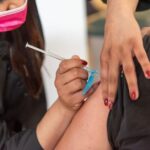
What did the rotavirus vaccine teach us about monitoring?
The RotaShield case was a turning point. It showed that pre-licensure trials, no matter how well designed, can miss rare but serious risks. It also demonstrated that passive surveillance systems like VAERS can detect signals, but they need to be followed up with targeted studies to confirm a causal link.
After RotaShield was withdrawn, the CDC and FDA developed more robust methods for investigating vaccine safety signals. The VSD system was expanded to allow rapid cycle analysis — real-time monitoring of health outcomes among vaccinated people. This approach is now standard for new vaccines, including the rotavirus vaccines that came later: RotaTeq (licensed in 2006) and Rotarix (licensed in 2008).
Both new vaccines were required to study intussusception risk in large pre-licensure trials — each involved more than 60,000 infants. Even then, regulators required post-market studies to continue monitoring for the rare risk that trials might have missed.
How is vaccine safety monitored: the rotavirus case after 2006
When RotaTeq and Rotarix were introduced, safety monitoring shifted into high gear. VAERS reports were tracked closely. Active surveillance through VSD compared intussusception rates among vaccinated and unvaccinated infants in near real time. The CDC also conducted special studies using hospital discharge data.
Within a few years, data showed that both vaccines were associated with a small increased risk of intussusception — roughly 1 to 5 additional cases per 100,000 vaccinated infants, mostly within the first week after the first dose. That risk is much lower than the risk seen with RotaShield, which was about 1 in 10,000. The CDC and FDA determined that the benefits of preventing severe rotavirus disease — which hospitalizes tens of thousands of children each year in the U.S. and kills hundreds of thousands worldwide — far outweigh this small risk.
Because of continuous monitoring, the risk is well understood. Doctors now counsel parents about the signs of intussusception (sudden severe abdominal pain, vomiting, bloody stools) so they can seek care quickly if it occurs.
Are current rotavirus vaccines safe?
Yes, current rotavirus vaccines are safe. The small risk of intussusception is real but rare. No other serious safety concerns have been identified in more than 15 years of use in the U.S. and worldwide. The World Health Organization recommends rotavirus vaccination for all infants because the benefits of preventing severe diarrhea and death far exceed the very low risk of intussusception.
Safety monitoring never stops. The systems that caught the RotaShield problem and that detected the small intussusception risk for newer vaccines remain in place. If a new safety signal appeared, it would be investigated immediately.
How is vaccine safety monitored globally?
Vaccine safety monitoring is a global effort. The World Health Organization (WHO) runs the Global Advisory Committee on Vaccine Safety (GACVS), which reviews safety data from all countries. National regulatory agencies in each country operate their own surveillance systems. Many countries use the WHO’s global database for adverse events following immunization (AEFI reports).
The rotavirus case influenced international standards. Before RotaShield, few countries had systems to monitor vaccine safety after approval. Now, most countries with rotavirus vaccines in their programs have some form of post-marketing surveillance for intussusception. The WHO also provides guidance on how to conduct these studies, ensuring that data from different countries can be compared.
Frequently Asked Questions
What caused the first rotavirus vaccine to be withdrawn?
The first rotavirus vaccine, RotaShield, was withdrawn because post-licensure monitoring revealed a significantly increased risk of intussusception, a serious bowel obstruction, especially in the first week after the first dose.
How does the U.S. monitor for intussusception risk in rotavirus vaccines?
The U.S. uses passive surveillance through VAERS and active surveillance through the Vaccine Safety Datalink (VSD) to track intussusception rates in vaccinated infants and compare them to unvaccinated rates.
Do current rotavirus vaccines carry any risk of intussusception?
Yes, but the risk is small — about 1 to 5 additional cases per 100,000 vaccinated infants — and is far outweighed by the benefits of preventing severe rotavirus disease.
How can I report a possible side effect from a vaccine?
You can report any suspected side effect to VAERS online at the VAERS website. Healthcare providers are also required to report certain events.
