
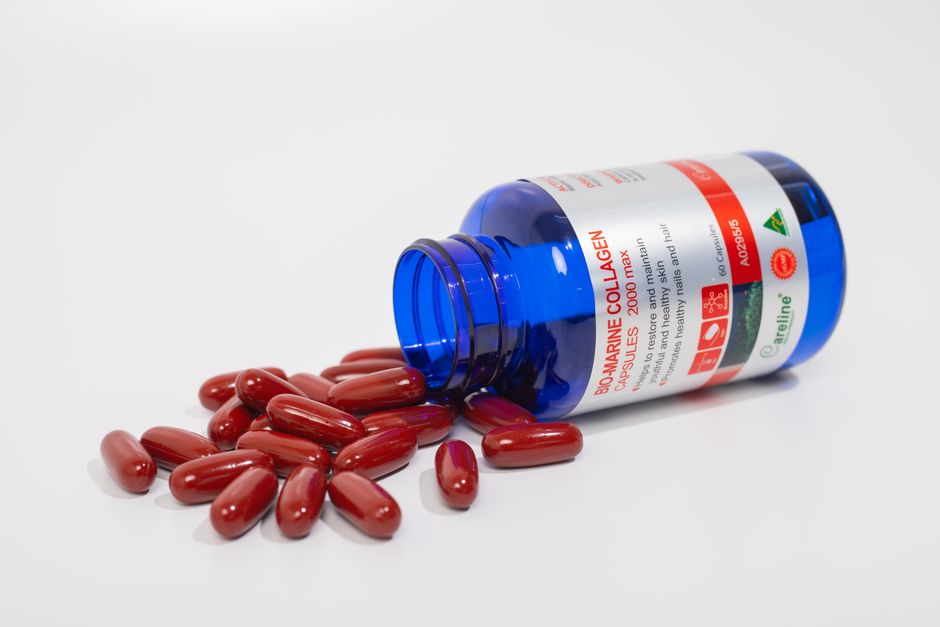
Undenatured type 2 collagen is a specific form of collagen that keeps its original molecular structure intact. It works differently from the collagen in most powders and capsules. Instead of being broken down into small fragments during digestion, a portion of it reaches the small intestine in a form that interacts with the immune system. That interaction is the basis for how it is thought to affect joint comfort.
The key word is “undenatured.” Most collagen supplements are hydrolyzed, meaning they are broken into short chains of amino acids called peptides. Undenatured type 2 collagen, often labeled as UC-II, is not. That difference in structure is what separates it from the collagen you stir into coffee.
What Makes Undenatured Type 2 Collagen Different?
Collagen is a protein, and proteins are built from amino acids. Type 2 collagen is the main structural protein in cartilage, the smooth tissue that cushions the ends of bones in joints. When you eat hydrolyzed collagen, your digestive system breaks it into amino acids and small peptides. Those pieces are absorbed and used throughout the body, not specifically by your joints.
Undenatured type 2 collagen is handled differently. It is extracted from chicken sternal cartilage using a low-temperature process that avoids breaking the protein apart. Because the molecule stays whole, a small amount can survive the trip through the stomach and reach the immune tissue in the gut.
This is the central point. The proposed benefit does not come from your body using the collagen as building material for cartilage. It comes from a signaling effect on the immune system. That is a fundamentally different mechanism from ordinary collagen supplements.
How Undenatured Type 2 Collagen Works in the Body
The working theory involves a process called oral tolerance. The gut is lined with immune tissue that constantly samples what passes through it. When that tissue encounters a familiar, intact protein, it can learn to tolerate it rather than attack it.
In joints affected by osteoarthritis, the immune system can mistake the body’s own type 2 collagen for a threat. This contributes to low-grade inflammation that damages cartilage over time. The idea behind undenatured type 2 collagen is that exposing gut immune cells to intact type 2 collagen may help calm that mistaken response.
The proposed sequence looks like this:
- Intact type 2 collagen reaches the small intestine.
- Immune cells in the gut lining sample the protein.
- Those cells may influence the broader immune response to type 2 collagen.
- Reduced immune activity against joint cartilage could mean less inflammation and discomfort.
This is a plausible mechanism, and it is supported by laboratory and animal research. Whether it produces meaningful relief in people is a separate question, and the human evidence is more limited than the marketing suggests.
Does Undenatured Type 2 Collagen Actually Reduce Joint Pain?
Some small human trials have reported improvements in joint discomfort and function in people with knee osteoarthritis. These studies typically compared undenatured type 2 collagen to a placebo over several months. Several reported that participants taking the supplement noted less pain and better mobility.
There are real limitations to weigh. Most of these trials were small, and a number were funded by manufacturers of the supplement. Small studies are more likely to show exaggerated effects, and industry funding is a known source of bias. Independent, large-scale trials are still lacking.
So the honest position is this: there is some evidence of benefit, but it is not strong enough to call it proven. The evidence is mixed, and results vary across studies. Anyone expecting a dramatic change should temper that expectation.





How Does It Compare to Hydrolyzed Collagen?
These two products are often shelved side by side and marketed for the same purpose. They are not the same thing, and they are not taken the same way.
| Feature | Undenatured Type 2 | Hydrolyzed Collagen |
|---|---|---|
| Structure | Intact protein | Broken into peptides |
| Typical source | Chicken sternal cartilage | Bovine hide, bone, fish |
| Proposed mechanism | Immune signaling in the gut | Amino acids used as building blocks |
| Typical daily amount | Around 40 mg in studied products | Often 2.5 to 15 grams |
| Main studied use | Joint comfort | Skin, hair, nails, joints |
The dose difference is striking. Undenatured type 2 collagen is studied at milligram amounts, while hydrolyzed collagen is studied at gram amounts. That is roughly a thousand-fold difference, which reflects how differently the two are thought to act.
What the Research Does and Does Not Show
Research on undenatured type 2 collagen has focused mainly on knee osteoarthritis and joint comfort in otherwise healthy, active adults. Some studies suggest modest improvements in stiffness and function. The evidence for other conditions, such as rheumatoid arthritis, is much thinner and should not be assumed.
What the research does not show is equally important. There is no solid evidence that undenatured type 2 collagen rebuilds cartilage, reverses joint damage, or treats disease. Claims along those lines go beyond what the data support. It is not a substitute for medical treatment of arthritis.
One clarification worth making: the term “undenatured” describes a manufacturing process, not a guarantee of quality. A product can be labeled undenatured and still vary in how much intact protein it actually contains. This is one reason study results are hard to compare across different products.
Who Might Consider It and What to Know First
People most often turn to undenatured type 2 collagen for everyday joint stiffness or discomfort, particularly in the knees. Some clinicians suggest it as an option for mild joint complaints, though it is not a standard medical recommendation. It is widely sold as a dietary supplement, which means it is not reviewed by the FDA for effectiveness before it reaches the market.
Before starting any supplement, a few practical points matter:
- Talk with a doctor first, especially if you take medication or have an autoimmune condition.
- Supplements can interact with other products, and this applies here as elsewhere.
- Because it is derived from chicken cartilage, people with poultry allergies should be cautious.
- Do not stop or replace prescribed arthritis treatment on your own.
No clinical guidelines currently exist that recommend undenatured type 2 collagen as a treatment for osteoarthritis. It sits in the category of things that are commonly used but not strongly supported by large trials. That is the accurate framing, and it is worth keeping in mind when reading product claims.
Are There Side Effects or Safety Concerns?
In the studies conducted so far, reported side effects have generally been mild, such as occasional stomach upset. That said, most trials were short and involved a limited number of participants. Long-term safety data are not available.
Because the evidence base is small, it is not accurate to call the supplement definitively safe for everyone. People who are pregnant or breastfeeding, and children, have not been studied. No clinical guidelines currently exist for these groups. Anyone in those categories should not assume the product is appropriate without medical guidance.
Frequently Asked Questions
How does undenatured type 2 collagen work?
It is thought to work by reaching the gut in its intact form and interacting with immune tissue there, which may help calm an immune response against joint cartilage. This mechanism is plausible and supported by animal research, but human evidence is limited.
Is undenatured type 2 collagen the same as regular collagen?
No, regular collagen supplements are usually hydrolyzed, meaning the protein is broken into small peptides, while undenatured type 2 collagen keeps its original structure. They are taken at very different amounts and are thought to act through different mechanisms.
Does undenatured type 2 collagen really help joint pain?
Some small human trials report modest improvements in joint discomfort, but many were small and industry-funded, so the evidence is not strong enough to call it proven. It should not replace medical treatment for arthritis.
What are the side effects of undenatured type 2 collagen?
Reported side effects in studies have generally been mild, such as occasional stomach upset. Long-term safety data are not available, and people with poultry allergies should be cautious.
