
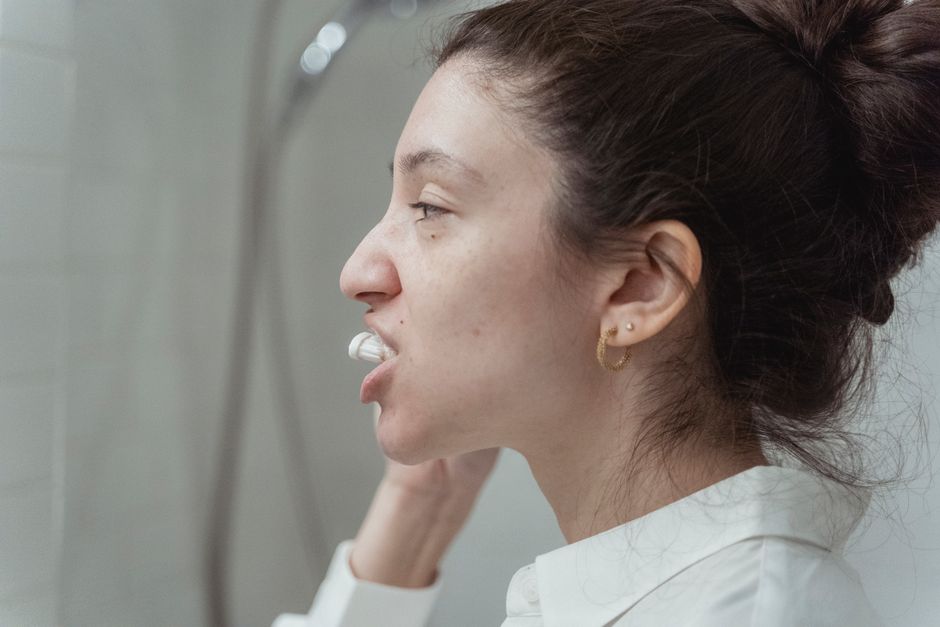
You can whiten teeth with hydrogen peroxide and a Q-tip by dipping the cotton tip in a diluted solution and swabbing it directly onto the tooth surface. This method works because hydrogen peroxide breaks down stains on the enamel, but it must be used carefully to avoid damaging your gums and soft tissues. The safest approach is to use a low-concentration solution, avoid contact with the gums, and rinse your mouth thoroughly afterward.
Does Hydrogen Peroxide Actually Whiten Teeth?
Yes. Hydrogen peroxide is the active bleaching agent in most professional and at-home whitening products. When it contacts the tooth, it breaks down into water and oxygen. The oxygen molecules penetrate the enamel and break apart the chemical bonds of stain molecules.
This is established chemistry, not marketing. Dentists have used hydrogen peroxide-based gels for in-office whitening for decades. The difference between what you do at home and what a dentist does comes down to concentration, application time, and protection of the gums.
Surface stains from coffee, tea, red wine, and tobacco respond best to peroxide. Deeper stains — from certain antibiotics, trauma, or aging — may not respond to a Q-tip application at all. Those stains sit below the enamel surface and need higher concentrations or longer exposure times than a quick swab can provide.
Is It Safe To Use A Q-Tip With Hydrogen Peroxide?
Safety depends entirely on the concentration and how carefully you apply it. Hydrogen peroxide is safe for teeth at the right strength, but it is not safe for gums, lips, or the inside of your cheeks. It causes tissue irritation and can create white patches on soft tissue that take hours to resolve.
Drugstore hydrogen peroxide typically comes in a 3% solution. That is the concentration most commonly sold for first aid and oral rinsing. This strength is generally considered safe for brief, careful contact with teeth, but even 3% peroxide will irritate gums if left on them.
Higher concentrations — 10%, 20%, or 35% — are used in dental offices but should never be applied at home with a Q-tip. These strengths can cause chemical burns on gums and significant tooth sensitivity. If you only have access to a higher concentration, dilute it significantly or do not use it at all.
One important note: never swallow hydrogen peroxide. It can cause stomach irritation and vomiting if ingested in meaningful amounts. Spit it out completely after use and rinse with plain water.
How To Whiten Teeth With Hydrogen Peroxide And A Q Tip
Start with a 3% hydrogen peroxide solution from a pharmacy. Do not use food-grade hydrogen peroxide, which comes in much higher concentrations like 35% and is dangerous for oral use.
Pour a small amount of the 3% solution into a clean cup. Dip one end of a cotton swab into the liquid. You want the tip damp, not dripping wet. Excess liquid will run onto your gums.
Use a mirror and pull your lips away from your teeth. Swab the peroxide directly onto the front surface of each tooth. Keep the application strictly on the enamel. Do not let the liquid pool at the gum line.
Leave it on for no more than one to two minutes. Some people leave it longer, but extended exposure increases the risk of gum irritation and enamel sensitivity without adding meaningful whitening benefit. The chemical reaction happens quickly.
After the time is up, spit out any excess saliva and peroxide. Rinse your mouth thoroughly with plain water. Do not brush your teeth immediately afterward — the peroxide softens the enamel surface slightly, and brushing right away can remove microscopic enamel layers.
Repeat this process no more than once per day. More frequent application does not speed up results. It only increases the chance of irritation.



What Results Can You Expect?
Results vary from person to person. Some people notice a difference after a few daily applications. Others need two to three weeks of consistent use to see visible change.
The type of stain matters. Brown or yellow surface stains from coffee, tea, and smoking generally respond well. Gray or blue-gray stains — often from tetracycline antibiotics or trauma — do not respond to peroxide at any concentration available at home.
Your starting shade matters too. If your teeth are already fairly white, the visible change will be small. If your teeth are heavily stained, you will see more dramatic improvement.
One thing to understand: a Q-tip applies a very thin layer of peroxide to the tooth surface. Professional whitening trays hold gel against the teeth for 30 to 60 minutes at higher concentrations. The Q-tip method is a mild treatment. It will not produce the same dramatic result as professional whitening.
Risks And Side Effects To Know Before You Start
The most common side effect is tooth sensitivity. Peroxide penetrates the enamel and can irritate the nerve inside the tooth. This usually resolves within a day or two after stopping treatment. If sensitivity persists, stop using peroxide and see a dentist.
Gum irritation is the other major risk. Peroxide burns soft tissue on contact. If you notice white patches on your gums, redness, or a burning sensation, you have left the solution on too long or let it touch your gums. Rinse immediately and take a break from treatment for several days.
There is also a risk of uneven whitening. A Q-tip application can miss the spaces between teeth and the areas near the gum line. You may end up with patches of whiter enamel next to unchanged areas. This is more likely if you rush the application.
People with existing dental work should know that peroxide does not whiten crowns, veneers, fillings, or bonding material. If you have a front tooth crown, that tooth will not change color while your natural teeth do. This can create a noticeable mismatch.
Do not use this method if you have untreated cavities, receding gums, exposed tooth roots, or open sores in your mouth. Peroxide on exposed dentin or an open cavity can cause significant pain and further irritation.
Is The Q-Tip Method Better Than Whitening Strips?
Whitening strips are generally a more controlled option. Commercial strips contain a specific concentration of peroxide and are designed to stay in contact with the teeth for a set amount of time. They also conform to the tooth shape, which provides more even coverage than a manual swab.
The Q-tip method gives you more control over exactly where the peroxide goes. This can be useful for targeting one or two particularly stained teeth. But that same control is also the weakness — it is easy to miss areas or apply unevenly.
Whitening strips have their own downsides. They can irritate gums if they fold over or slip. Some people find the strips uncomfortable or difficult to keep in place. And strips only cover the front teeth — the peroxide does not reach the backs of the teeth or the spaces between them.
Neither method is clearly superior. The best choice depends on your goals. For even, whole-arch whitening, strips are usually more reliable. For spot-treating a single stained tooth, the Q-tip method offers more precision.
When To See A Dentist Instead
See a dentist if your teeth do not respond to peroxide after several weeks of consistent use. Stubborn stains may need professional-grade products or a different approach entirely.
See a dentist before trying any whitening if you have not had a dental exam recently. Cavities, gum disease, and enamel defects should be treated before whitening. Applying peroxide to unhealthy teeth can worsen existing problems.
See a dentist if you experience severe or prolonged sensitivity. Mild sensitivity that fades quickly is normal. Pain that lasts for days or keeps you from eating cold or hot foods is not. Stop whitening and get a professional opinion.
Professional whitening uses higher concentrations of peroxide under controlled conditions. Dentists protect the gums with barriers and can monitor the enamel response. For significant stains or dramatic whitening goals, professional treatment is more effective and safer than any home method.
Frequently Asked Questions
How many days does it take to see results with hydrogen peroxide and a Q-tip?
Most people see visible results after 5 to 14 days of daily application. Darker or older stains may take longer or may not fully respond to this method.
Can I use hydrogen peroxide and a Q-tip on sensitive teeth?
No. If you already have sensitive teeth, peroxide can make the sensitivity worse. Speak with a dentist about gentler whitening options instead.
Is 3% hydrogen peroxide safe for whitening teeth?
Yes, 3% hydrogen peroxide is the standard drugstore concentration and is generally safe for brief, careful application to teeth. Avoid higher concentrations and never let the solution sit on your gums.
How often can I whiten my teeth with hydrogen peroxide?
Once per day is the maximum recommended frequency. Using it more often increases the risk of gum irritation and enamel damage without speeding up results.
