
Braces are a major investment in your health, and most people want a clear answer before they start. In the United States, traditional metal braces typically cost between $3,000 and $7,000. Clear aligners like Invisalign usually range from $4,000 to $8,000, while more complex options like lingual braces or surgical orthodontics can exceed $10,000. Your final price depends on your location, the complexity of your case, your chosen provider, and your insurance coverage.
How Much Teeth Braces Cost by Type
The type of braces you choose is the single biggest factor in the final price. Each option uses different materials and requires different levels of expertise from the orthodontist.
Traditional metal braces are the most common and usually the most affordable. These are the standard brackets and wires that most people picture when they think of braces. They are highly effective for even complex tooth movement.
Ceramic braces work the same way as metal braces but use tooth-colored or clear brackets. They are less noticeable but slightly more fragile and cost more than metal options.
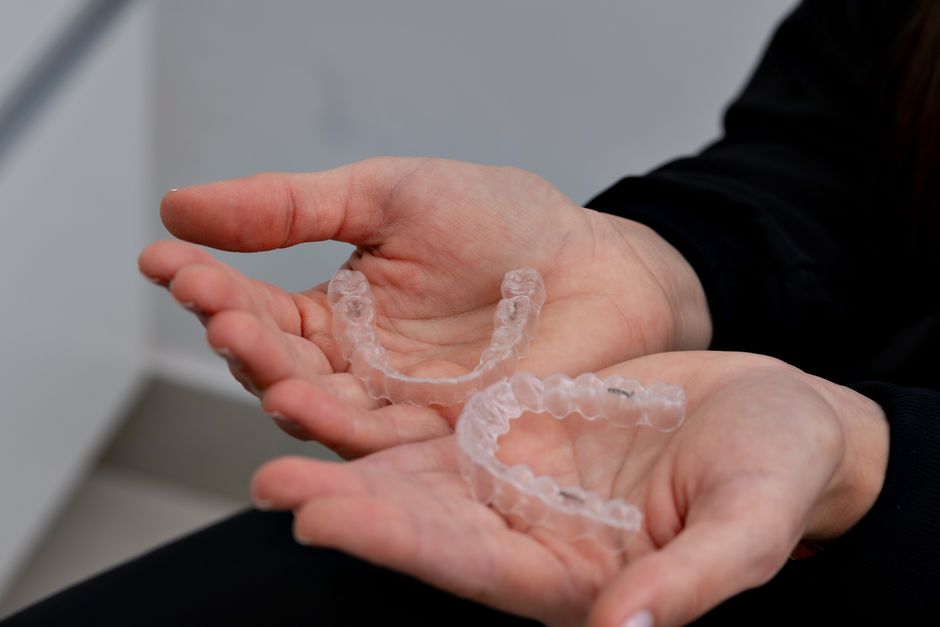
Clear aligners such as Invisalign use a series of removable plastic trays to shift teeth gradually. They offer a discreet look and easier brushing, but they require discipline to wear 20 to 22 hours per day.
Lingual braces attach to the back of your teeth so they are invisible from the front. They are highly customized and difficult to place, which makes them the most expensive option.
| Type | Typical Cost Range | Notes |
|---|---|---|
| Metal braces | $3,000 – $7,000 | Most affordable; highly effective |
| Ceramic braces | $4,000 – $8,000 | Less visible; slightly more fragile |
| Clear aligners (Invisalign) | $4,000 – $8,000 | Removable; requires daily compliance |
| Lingual braces | $8,000 – $13,000 | Hidden behind teeth; complex placement |
These ranges reflect national averages. Prices vary meaningfully by region. Orthodontic care in major coastal cities typically costs more than in rural areas or the Midwest.
What Factors Affect Your Final Price?
Several variables beyond brace type determine your total bill. Understanding these helps you interpret quotes and avoid surprises.
Case complexity is the main driver. Mild crowding may require only 12 months of treatment. Severe bite problems, impacted teeth, or jaw misalignment can extend treatment to 24 months or longer. More time means more appointments and more adjustments, raising the total cost.
Provider type matters. Orthodontists complete two to three additional years of training after dental school. Their fees reflect that expertise. General dentists can provide some orthodontic treatment, often at lower prices. However, complex cases are best handled by a specialist.
Your age also plays a role. Children and teenagers often have more adaptable bone structure. Adults may need additional procedures like tooth extraction or surgery before braces can be placed.
Geographic location influences pricing directly. A practice in Manhattan has higher overhead than one in rural Ohio, and those costs pass to the patient.
Retainers are almost always an additional cost. After braces come off, you need retainers to keep your teeth in place. These typically add $100 to $500 to your total bill.
How Much Teeth Braces Cost with Insurance
Dental insurance can reduce your out-of-pocket expense, but the coverage has limits. Most dental plans that include orthodontic benefits cover between 25% and 50% of the total treatment cost.
Many plans cap orthodontic coverage at a lifetime maximum of $1,000 to $3,000. That means once your plan pays that amount, it will not cover any additional orthodontic costs, even if your treatment spans multiple years.
Some plans only cover children under age 18. Adults often have no orthodontic coverage at all. Check your specific plan documents before assuming what your insurer will pay.
Flexible spending accounts (FSAs) and health savings accounts (HSAs) can help. You can use pre-tax dollars from these accounts to pay for braces, effectively reducing your cost by your marginal tax rate.





Payment Plans and Financing Options
Most orthodontic offices offer payment plans. These allow you to spread the cost over the length of your treatment rather than paying everything upfront.
A common structure requires a down payment of 10% to 25% at the start. The remaining balance is divided into monthly payments across the treatment period. Many practices offer interest-free plans if you pay on time.
Third-party healthcare financing companies offer another route. These companies provide loans specifically for medical and dental expenses. Some offer promotional zero-interest periods, but read the terms carefully. If you do not pay off the balance before the promotional period ends, interest rates can be high.
Some dental schools offer reduced-cost orthodontic treatment. Graduate students perform the work under close supervision from experienced faculty. This can reduce your cost by 30% to 50%, but appointments take longer and scheduling is less flexible.
Nonprofit organizations occasionally provide assistance for families who cannot afford orthodontic care. Programs like Smiles Change Lives and the American Association of Orthodontists Foundation help qualifying families access treatment.
Why Are Braces So Expensive?
Understanding what you pay for helps put the price in perspective. Orthodontic treatment is not just about attaching brackets to teeth.
The initial consultation includes x-rays, photographs, and impressions of your teeth. These diagnostic records allow the orthodontist to plan your treatment precisely. This planning phase is where much of the expertise comes in.
Each adjustment appointment requires the orthodontist to evaluate tooth movement and modify the wires or aligners accordingly. This is skilled manual work that happens every four to eight weeks throughout treatment.
Orthodontists also invest heavily in equipment. X-ray machines, 3D scanners, and sterilization systems cost hundreds of thousands of dollars. Liability insurance and staff salaries add to the overhead.
Your fee covers the entire treatment plan, not just the hardware. If complications arise during treatment, most orthodontists handle them within the original fee. This is different from many other medical fields where each visit generates a separate charge.
Hidden Costs to Plan For
The quoted price for braces rarely covers everything. Budgeting for these extras prevents financial surprises.
Initial exam fees range from $50 to $200. Some offices waive this if you proceed with treatment, but not all do.
X-rays and records may be billed separately. These typically cost $200 to $500.
Emergency visits for broken brackets or poking wires are usually covered under your treatment fee. However, if you see a different provider for an emergency, that visit is not covered.
Lost or broken aligners with clear aligner treatment can cost $100 to $300 per replacement. This is why providers stress the importance of keeping aligners in their case when not in your mouth.
Teeth whitening after braces removal is common. Teeth often appear yellower after treatment because the brackets protected the enamel underneath. Whitening is cosmetic and not covered by orthodontic fees.
Does the Cheapest Option Save You Money?
Choosing the lowest-priced provider does not always produce the best financial outcome. Quality matters in orthodontics.
Poorly planned treatment can result in teeth that shift back, bite problems that worsen, or damage to tooth roots. Correcting these issues later costs more than doing the job right the first time.
Direct-to-consumer aligner companies offer lower prices by removing in-person supervision. These products may work for very mild cases, but they are not appropriate for complex tooth movement. No reputable orthodontist recommends unsupervised tooth movement.
Some research suggests that the number of orthodontic visits and treatment duration are similar between experienced and less experienced providers. The difference lies in treatment planning and the ability to handle complications when they arise.
Look for an orthodontist who examines your mouth directly, takes full diagnostic records, and explains a specific treatment plan. Avoid providers who quote a price without examining you first.
How Much Teeth Braces Cost Over Time
Braces are not an expense you repeat often. Most people undergo orthodontic treatment once, though some adults who had braces as teenagers seek a second round of treatment later in life.
Retention is the key to making your investment last. Teeth naturally shift throughout life. Without a retainer, your teeth will slowly move back toward their original positions.
Most orthodontists recommend wearing a retainer full-time for the first few months after braces removal, then nightly for the long term. This ongoing wear is the only way to preserve your results.
Replacement retainers cost $100 to $300 each. Budgeting for these over the years protects the thousands of dollars you invested in your smile.
Frequently Asked Questions
How much do braces cost without insurance?
Without insurance, traditional metal braces typically cost between $3,000 and $7,000 out of pocket. Clear aligners and ceramic braces run higher, usually $4,000 to $8,000.
Can I get braces on a payment plan?
Yes, most orthodontic offices offer monthly payment plans that spread the cost over your treatment period. Many practices require a down payment of 10% to 25% upfront and charge no interest if you pay on schedule.
Are cheap braces worth it?
Lower-cost options like dental school clinics can reduce expenses by 30% to 50%, but unsupervised treatments like mail-order aligners carry real risks. Always choose a provider who examines you in person and creates a specific treatment plan for your case.
How long do braces take to straighten teeth?
Most orthodontic treatment lasts 12 to 24 months depending on case complexity. Mild crowding can finish faster, while severe bite issues or tooth movement may require 30 months or longer.
