
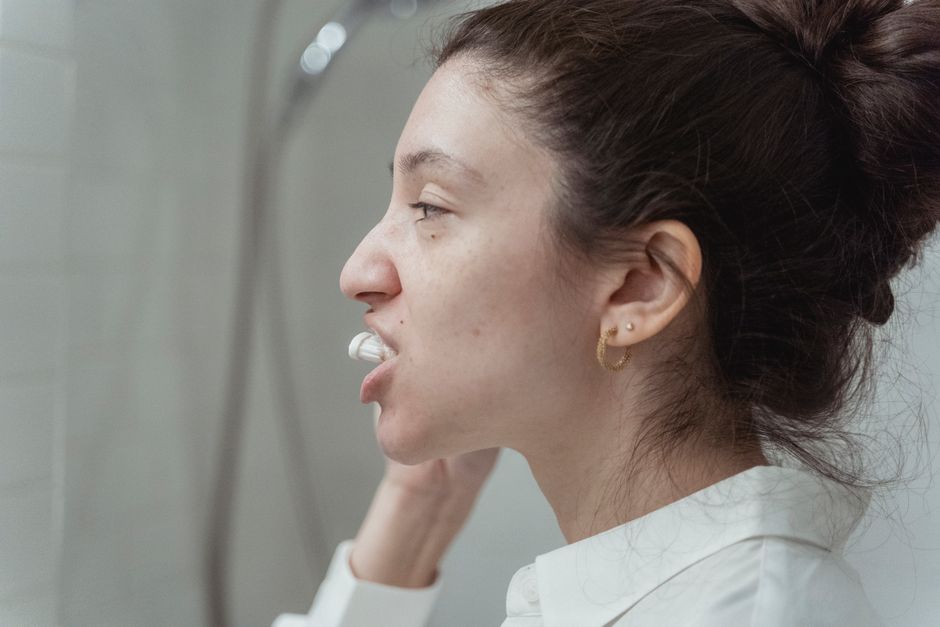
Banana peel teeth whitening is a viral home remedy that does not have scientific evidence to support it. The idea sounds simple: rub the inside of a banana peel on your teeth for a few minutes each day, and the minerals in the peel will whiten your smile. But studies have not confirmed that banana peels can change the color of your teeth. The reality is that this trend is based on anecdotal reports and marketing, not clinical research.
Where Did the Banana Peel Teeth Whitening Trend Come From?
The trend spread mainly through social media videos and wellness blogs. People claimed that the potassium, magnesium, and manganese in banana peels could be absorbed by tooth enamel and remove surface stains. Some versions of the trend suggest leaving the peel on your teeth for up to ten minutes a day for a couple of weeks.
The problem is that no peer-reviewed study has tested this method. No clinical trial has measured whether banana peels change tooth shade. The evidence is purely personal stories. Some people report brighter teeth after trying it, but that may be due to the abrasive action of rubbing, not the peel itself.
What Does the Science Say About Banana Peels and Teeth?
Banana peels contain minerals, but there is no mechanism by which rubbing them on teeth would remove stains. Tooth discoloration comes from two main sources: surface stains on the enamel and deeper staining within the tooth structure.
Surface stains from coffee, tea, and tobacco sit on the outside of the enamel. Removing them requires either a mild abrasive or a chemical agent that breaks down the stain molecules. Banana peels are not abrasive enough to scrub away stains, and they contain no recognized whitening agent like hydrogen peroxide or carbamide peroxide.
Deeper stains, which come from aging, certain medications, or trauma, cannot be reached by anything you rub on the outside of the tooth. Only professional treatments or approved whitening products penetrate the enamel to address internal discoloration.
Is Rubbing Banana Peel on Teeth Safe?
Banana peel is not toxic, and rubbing it on your teeth will not harm your enamel in most cases. The peel is soft and unlikely to cause physical damage. However, there are a few things to consider before you try it.
Banana peels contain natural sugars and starches. Leaving sugary material on your teeth for extended periods feeds the bacteria that cause cavities. If you try this method, brushing afterward is important to remove the residue.
Some people may also experience gum irritation. The peel can carry dirt or pesticides unless washed thoroughly. There is no evidence that banana peel causes serious harm, but there is also no evidence that it does anything useful for your teeth.



Why Do People Think It Works?
Several factors explain why people believe banana peel whitening works. First, the act of rubbing anything against your teeth removes some loose surface debris. That can make teeth feel cleaner and look slightly brighter in the moment.
Second, the placebo effect is real. If you expect your teeth to look whiter, you may perceive them that way. This is not a deliberate deception. It is how human perception works when we want a result.
Third, the minerals in banana peels are often marketed as “natural whitening” ingredients. But presence in a food does not mean the substance can alter tooth color when applied topically. This is a classic case of biological plausibility being mistaken for proven benefit.
What Actually Whitens Teeth According to Evidence?
If you want whiter teeth, the methods with real research behind them fall into a few categories. Professional in-office whitening uses high-concentration peroxide gels activated by light or heat. This produces the fastest and most dramatic results.
At-home whitening trays with custom fit from your dentist use lower concentrations of carbamide peroxide or hydrogen peroxide. These work over one to two weeks with daily wear. Whitening strips sold over the counter also contain peroxide and have clinical evidence supporting their effectiveness, though results vary based on product concentration and application time.
Whitening toothpaste works only on surface stains. These toothpastes contain mild abrasives like silica and sometimes low levels of peroxide. They can remove coffee and tea stains but will not change the natural color of your teeth.
A note on safety: overusing any abrasive product, including whitening toothpaste, can wear down enamel over time. Enamel does not grow back. Once it is gone, teeth become more sensitive and more prone to decay.
Are There Natural Alternatives That Work?
Some natural methods have limited evidence. Baking soda is mildly abrasive and has been shown in some studies to remove surface stains better than regular toothpaste alone. However, baking soda does not bleach teeth. It only polishes the outer surface.
Oil pulling, the practice of swishing coconut or sesame oil in your mouth for fifteen to twenty minutes, has been studied for oral hygiene. Some research suggests it reduces plaque and bacteria. No reliable study shows it whitens teeth.
Activated charcoal is another popular trend. It is highly abrasive and can remove surface stains. But charcoal also wears down enamel with repeated use, and no clinical evidence confirms it is a safe or effective long-term whitening method. Some dentists advise against it because the abrasive particles may damage the enamel surface and make teeth appear more yellow as the darker dentin layer becomes visible.
How To Whiten Teeth With Banana Peel Does It Work — The Bottom Line
The direct answer is no. Banana peel does not whiten teeth based on any scientific evidence. It is not a proven treatment, and no dental organization recommends it. If you enjoy the ritual and it does not cause irritation, it is unlikely to harm you. But if your goal is visibly whiter teeth, you will need a product or procedure with actual clinical backing.
Before starting any whitening method, consider the cause of your tooth discoloration. If your teeth have always been a certain shade, that is your natural color. Whitening products can lighten it, but results vary. If you have brown spots, white spots, or sudden discoloration, see a dentist first. These can signal decay, enamel defects, or other issues that whitening will not fix.
Cost is another factor. Professional whitening is expensive, often several hundred dollars. Over-the-counter strips are affordable but less dramatic. Whitening toothpaste is the cheapest option but only addresses surface stains.
Your dentist can tell you which approach fits your situation. They can also check for cavities or gum disease before you start. Whitening products can cause sensitivity, especially if you have receding gums or exposed roots. A dental exam before whitening is always the safest route.
Can You Prevent Stains Instead of Whitening?
Prevention is easier than correction. Coffee, tea, red wine, and dark sodas stain teeth over time. Tobacco use is a major cause of yellow and brown discoloration. Rinsing your mouth with water after consuming these drinks can reduce staining.
Drinking through a straw minimizes contact with front teeth. Waiting thirty minutes after acidic foods or drinks before brushing protects enamel from abrasion while it is temporarily softened. Regular brushing twice a day and flossing once a day remove the plaque that traps stains.
No method prevents all staining. Aging naturally darkens teeth as enamel thins and the yellowish dentin underneath becomes more visible. This is a normal process, not a sign of poor hygiene.
Frequently Asked Questions
How long does it take for banana peel to whiten teeth?
There is no established timeline because no clinical evidence confirms banana peel whitens teeth at all. Anecdotal reports suggest two weeks of daily use, but these results are not scientifically verified.
Can banana peel damage tooth enamel?
Banana peel itself is soft and unlikely to damage enamel. However, the sugars in the peel can feed cavity-causing bacteria if left on the teeth without brushing afterward.
Is banana peel whitening safe for sensitive teeth?
No evidence shows banana peel is harmful for sensitive teeth, but it also offers no benefit. If you have sensitivity, see a dentist to identify the cause before trying any whitening method.
What is the fastest way to whiten teeth safely?
Professional in-office whitening with peroxide-based gels produces the fastest results. Over-the-counter whitening strips are the most accessible evidence-backed option for home use.
