
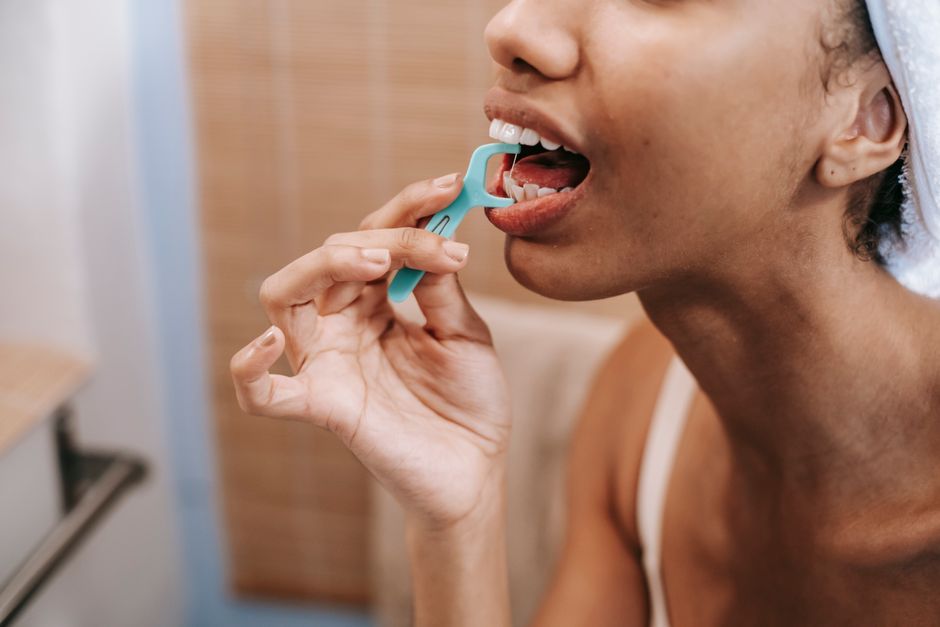
Sensitive teeth can turn simple pleasures into painful moments. A sip of cold water, a spoonful of ice cream, or a breath of winter air can trigger a sharp, sudden ache. This guide explains what causes that pain and what you can actually do about it. The right approach depends on the cause, but most people find real relief with a combination of at-home care and professional treatment.
What Causes Sensitive Teeth?
Tooth sensitivity happens when the protective layers of your tooth wear down. Normally, enamel covers the crown of your tooth. Enamel is the hardest substance in your body. Below the enamel is a softer layer called dentin. Dentin contains microscopic tubes that lead to the nerve at the center of your tooth.
When enamel thins or wears away, those tiny tubes become exposed. Hot, cold, sweet, or acidic foods can then stimulate the nerve inside the tooth. That stimulation is what you feel as a sudden jolt of pain. The medical term for this is dentin hypersensitivity.
Gum recession is another common cause. When gums pull back from the tooth, the root becomes visible. The root does not have enamel to protect it. It is covered only by a thin layer called cementum, which wears away easily. This exposes the dentin on the root surface and leads to the same sharp pain.
What Makes Tooth Sensitivity Worse?
Several daily habits can make the problem worse without you realizing it. Brushing too hard is a major one. Using a hard-bristled brush or applying heavy pressure can wear down enamel over time. It can also push gums away from the teeth, exposing the roots.
Acidic foods and drinks can also contribute. Citrus fruits, tomatoes, soda, and sports drinks can soften enamel. If you brush immediately after consuming these, you can brush away the softened enamel. Waiting at least 30 minutes after acidic foods before brushing gives your saliva time to neutralize the acid.
Teeth grinding is another hidden cause. Many people clench or grind their teeth at night without knowing it. This constant friction wears down the chewing surfaces of the teeth. Over time, this can expose the dentin underneath. Some research suggests that tooth wear from grinding is one of the most common reasons adults develop sensitivity.
Some dental procedures can cause temporary sensitivity. Teeth whitening, professional cleanings, and fillings can all trigger short-term discomfort. This type of sensitivity usually resolves within a few days or weeks.
How To Get Rid of Sensitive Teeth at Home
Desensitizing toothpaste is the most widely studied at-home treatment. These toothpastes contain compounds that block the microscopic tubes in the dentin. Potassium nitrate and stannous fluoride are the two active ingredients most commonly used. Studies have shown that both can reduce sensitivity, though they work through different mechanisms.
Use desensitizing toothpaste consistently. Most research suggests it takes several applications before you notice a difference. Some people see improvement within a few days. Others need two to four weeks of regular use. For best results, apply the toothpaste with a soft brush and leave it on your teeth for a minute before rinsing.
Switching to a soft-bristled toothbrush is another simple change. Hard and medium bristles can worsen enamel wear and gum recession. A soft brush cleans effectively when used with proper technique. Hold the brush at a 45-degree angle to the gumline and use gentle circular motions rather than aggressive back-and-forth scrubbing.
Fluoride mouth rinses may also help. Fluoride strengthens enamel and can reduce sensitivity over time. Look for an alcohol-free rinse to avoid additional irritation. Some clinicians recommend using a fluoride rinse daily in addition to regular brushing. This is a common recommendation, though individual results vary.



Professional Treatments for Sensitive Teeth
When at-home care does not provide enough relief, a dentist has several options. The right treatment depends on the underlying cause of your sensitivity. Your dentist will examine your teeth and may take X-rays to rule out other problems like cavities or cracked teeth.
Professional fluoride treatments are a common first step. Your dentist applies a high-concentration fluoride varnish or gel directly to the sensitive areas. This strengthens the enamel and can provide relief that lasts for several months. This is an in-office procedure that takes only a few minutes.
Bonding agents are another option. Your dentist can apply a resin material to exposed root surfaces. This acts as a physical barrier, covering the dentin and blocking the stimuli that cause pain. Bonding can be effective for sensitivity caused by gum recession.
For more severe cases, your dentist might recommend a prescription-strength desensitizing toothpaste or a higher-concentration fluoride product for home use. These contain more active ingredients than over-the-counter options and may work when standard products do not.
If gum recession is significant, a gum graft may be considered. This surgical procedure takes tissue from the roof of your mouth and attaches it to the receded gumline. This covers the exposed root and can eliminate sensitivity in that area. Gum grafts are typically reserved for cases where recession is severe or progressive.
When Tooth Sensitivity Signals a Bigger Problem
Not all tooth pain is sensitivity. Sometimes what feels like sensitivity is actually a cavity, a cracked tooth, or an infected nerve. These conditions require different treatment and will not improve with desensitizing toothpaste.
See a dentist if the pain is sharp and localized to one tooth. See a dentist if the pain lasts for more than a minute after the stimulus is removed. Sensitivity from exposed dentin usually fades quickly once the cold or sweet trigger is gone. Pain that lingers may indicate a deeper problem.
You should also see a dentist if your gums are bleeding, swollen, or pulling away from your teeth. These can be signs of gum disease, which requires professional treatment. Sensitivity combined with visible tooth discoloration or a visible crack also warrants a dental visit.
Do not ignore sensitivity that suddenly appears in one tooth while the rest of your mouth feels normal. This pattern often points to a specific problem like a cavity or a fracture rather than generalized enamel wear.
Can Tooth Sensitivity Be Prevented?
Prevention focuses on protecting enamel and gums. Use a soft toothbrush and gentle technique. Avoid acidic foods and drinks in excess. If you do consume them, rinse your mouth with water afterward and wait before brushing.
If you grind your teeth, talk to your dentist about a night guard. This custom-fitted appliance creates a barrier between your upper and lower teeth. It prevents the wear that grinding causes. Many people do not know they grind until a dentist notices the wear pattern.
Maintain regular dental visits. Professional cleanings remove plaque and tartar that can contribute to gum disease and recession. Your dentist can also spot early signs of enamel wear before sensitivity becomes severe.
Frequently Asked Questions
Does desensitizing toothpaste actually work?
Yes, clinical studies support the effectiveness of desensitizing toothpaste containing potassium nitrate or stannous fluoride. Most people need to use it consistently for several weeks before noticing full relief.
How long does tooth sensitivity last?
Sensitivity from recent dental work usually resolves within a few weeks. Sensitivity from enamel wear or gum recession can persist indefinitely without treatment, but most people improve with consistent use of desensitizing products or professional care.
Is it better to use warm or cold water for sensitive teeth?
Use lukewarm water for brushing and rinsing. Extreme temperatures can trigger pain in sensitive teeth, and lukewarm water is least likely to cause discomfort.
Can sensitive teeth go away on their own?
Sometimes, but not reliably. Mild sensitivity may improve if you change your brushing habits and avoid acidic foods. Sensitivity caused by gum recession or enamel loss typically requires ongoing management with desensitizing products or dental treatment.
