
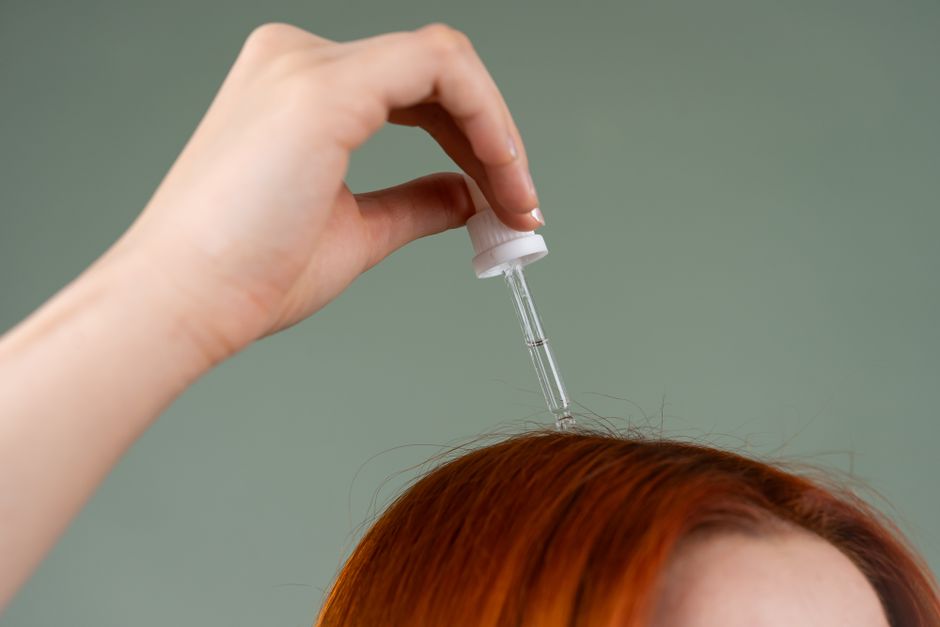
Wearing your hair up can trigger a headache because the style pulls on the scalp and strains the connective tissue around the hair follicles. The fix is to reduce tension across your scalp and change how the weight of your hair is distributed. Use a loose tie, vary your part, and avoid styles that pull your hair into a tight single point.
Why Does Wearing Your Hair Up Cause Headaches?
Your hair follicles are surrounded by a network of nerves. When hair is pulled tightly, those nerves send pain signals to your brain. This is a real condition called allodynia, where a normally harmless stimulus like light hair tension becomes painful.
The scalp also has a layer of muscle called the galea aponeurotica. Tight ponytails or buns put constant pressure on this muscle layer. Over a few hours, that pressure builds up and radiates into a headache. Some people feel it at the temples, others at the base of the skull.
This type of headache is sometimes called an external compression headache. It is not dangerous, but it is unpleasant and entirely preventable. The pain usually fades within an hour of letting your hair down.
How To Wear Your Hair Up Without Getting A Headache
The most reliable way to avoid a hair-related headache is to keep tension low. If you can slide a finger easily between your hair tie and your scalp, the tension is probably acceptable. If the skin underneath the tie feels tight or the hair at your temples pulls, loosen it.
Choose a hair tie that grips without squeezing. Spiral phone-cord style ties and soft fabric scrunchies distribute pressure more evenly than thin elastic bands. Thin elastics concentrate force on a narrow strip of hair, which increases the risk of pain.
Rotate the position of your ponytail or bun throughout the day. A high ponytail pulls on the crown. A low ponytail pulls on the nape. Switching positions gives different parts of your scalp a break.
Change your part regularly. A center part pulls hair in one direction. A side part pulls it in another. Alternating parts changes which follicles are under tension.
For long or heavy hair, a braid distributes weight more evenly than a single ponytail. A loose braid spreads the load across many follicles rather than concentrating it at one tie point.
Claw clips are a strong option for many people. They grip a section of hair without pulling the entire scalp taut. The weight hangs below the clip rather than tugging upward on the roots.
What Hair Accessories Are Best For Sensitive Scalps?
Soft scrunchies made from silk or satin cause less friction than cotton or polyester. They slide against the hair rather than gripping it tightly. This reduces both pain and hair breakage.
Spiral ties are popular because they hold hair firmly without a tight squeeze. They work well for many people, but they are not perfect for everyone. Some users report that the spiral shape creates a pressure point against the skull.
Claw clips work best for medium to thick hair. They hold hair in a loose twist that does not put upward tension on the roots. The main risk is that a heavy clip can pull downward, which causes a different kind of strain on the nape of the neck.
Velvet or fleece-lined scrunchies are another gentle option. The soft outer layer cushions the elastic and spreads pressure over a wider area of scalp.
A banana clip or a French twist pin holds hair without a tight band. These styles distribute weight along a horizontal line rather than a single point.


How To Position A Ponytail To Prevent Headaches
The position of your ponytail matters more than the tie you use. A very high ponytail pulls the scalp upward and forward. This strains the forehead and temple area, which is where many people feel the resulting headache.
A mid-level ponytail at the back of the head is usually the most comfortable position. It pulls straight back rather than upward. This reduces vertical tension on the scalp.
A low ponytail at the nape of the neck is also gentle on the scalp itself. However, it can strain the neck muscles if your hair is heavy. The weight pulls downward on the back of the skull, which some people find tiring after a few hours.
If you prefer a bun, place it lower on the head rather than at the crown. A low bun puts less tension on the top of the scalp. The same rule applies: make sure the bun is not so tight that it lifts your eyebrows when you blink.
When To Take Your Hair Down
Do not wear your hair up for more than a few hours at a time. Even a comfortable style can become painful after prolonged wear. The scalp needs breaks from constant pressure, just like any other part of the body.
Take your hair down before you sleep. Sleeping with a tight ponytail or bun can cause pain that lasts into the next morning. It also increases the risk of hair breakage and traction alopecia, a form of hair loss caused by prolonged pulling.
If you feel a headache starting, remove the hair tie immediately. Do not wait to see if it passes. The longer the tension stays on, the longer the pain may last. Most compression headaches resolve within an hour of releasing the hair.
Does Wearing Hair Up Cause Long-Term Damage?
Occasional tight styling is not a problem. The issue is repeated, prolonged tension over months and years. This can lead to traction alopecia, a type of hair loss where the follicle becomes damaged from constant pulling.
Traction alopecia usually affects the hairline and temples first. It is most common in people who wear tight braids, weaves, or ponytails daily. The condition is reversible if caught early. Permanent hair loss can occur if the pulling continues for years.
Headaches from tight hair are not a sign of permanent damage. They are a warning signal that the style is too tight. Listening to that signal and loosening the style protects both your comfort and your hair.
Are There Medical Conditions That Make Hair Pain Worse?
Some people are more sensitive to scalp tension than others. People who experience migraines often report that tight hairstyles trigger or worsen their attacks. The scalp nerves are already sensitized, so normal hair tension becomes painful more easily.
Fibromyalgia and chronic fatigue syndrome can also increase scalp sensitivity. If you have one of these conditions, even a loose ponytail may cause discomfort. In this case, wearing hair loose or in a very loose braid may be the only comfortable option.
If you get headaches from hair styling even when the style feels loose, talk to a doctor. Frequent headaches that come on without an obvious trigger deserve medical evaluation. A doctor can rule out other causes and help you manage the pain.
Frequently Asked Questions
What is the best hair tie for preventing headaches?
Soft fabric scrunchies and spiral phone-cord style ties are the best options because they distribute pressure over a wider area than thin elastics. The best choice depends on your hair type, so try a few and see which feels most comfortable.
How tight should a ponytail be to avoid a headache?
A ponytail should be tight enough to stay in place but loose enough that you can slide a finger between the tie and your scalp. If you feel pulling at your temples or forehead, it is too tight.
Can wearing your hair up cause permanent hair loss?
Yes, if you wear tight styles daily for years, it can cause traction alopecia, a form of hair loss from prolonged pulling. Early hair loss is usually reversible, but permanent damage can occur if the pulling continues.
How long can I safely wear my hair up?
Most people can wear their hair up for a few hours without problems. If you feel any scalp pain or headache, take your hair down right away rather than waiting for it to pass.
