
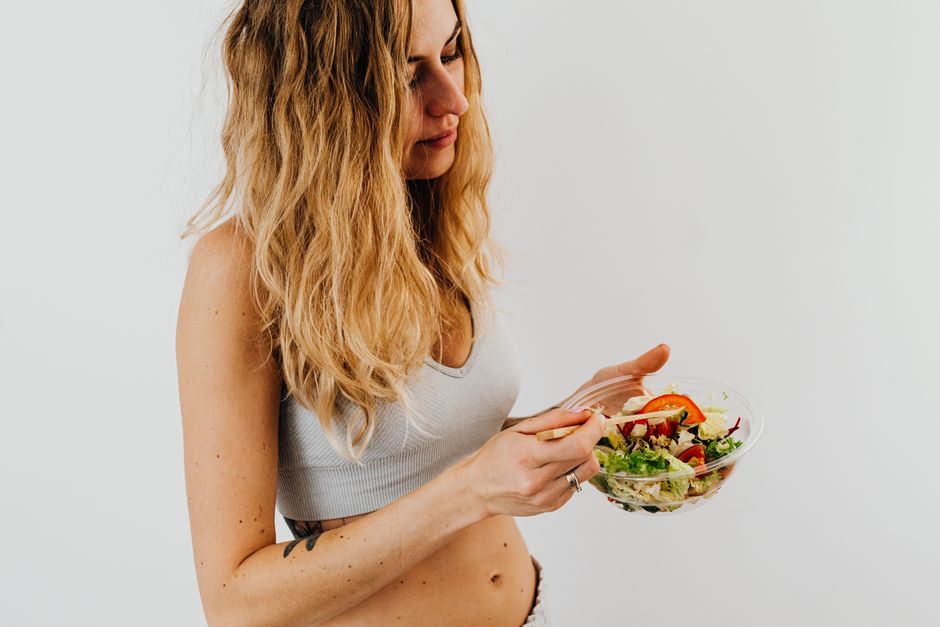
Hair loss is a common concern, and many people wonder if changing their diet can help. The honest answer is that while no single food can cure pattern baldness, specific nutrients play a real role in healthy hair growth. Iron and zinc are two of the most important, but they are not the whole story. A diet lacking in key vitamins and minerals can contribute to thinning hair, and correcting a true deficiency may help.
What Foods Prevent Hair Loss Iron Zinc And More?
Foods rich in iron, zinc, protein, and certain vitamins are the foundation of a hair-healthy diet. Iron helps red blood cells carry oxygen to hair follicles, and zinc supports tissue growth and repair. You can find these nutrients in lean meats, seafood, beans, nuts, and leafy greens. However, it is important to understand that these foods help most when you actually have a deficiency.
Eating a balanced diet supports your body’s natural processes, including hair growth. But if your hair loss is genetic, no food will stop it. The same is true for hair loss caused by hormonal changes or medical conditions. Diet matters, but it is not a cure-all.
How Does Iron Deficiency Affect Hair?
Iron deficiency is one of the most common nutritional causes of hair loss, especially in women. Iron is needed to make hemoglobin, the protein in red blood cells that carries oxygen. When iron levels are low, your body prioritizes oxygen delivery to vital organs over non-essential tissues like hair follicles. This can push hair follicles into a resting phase, leading to increased shedding.
Research consistently shows a link between low ferritin levels and hair loss. Ferritin is the stored form of iron in your body. Some studies suggest that a ferritin level below 30 ng/mL is associated with hair thinning, though this threshold is debated among clinicians. If you suspect an iron issue, ask your doctor for a blood test. Do not take iron supplements without knowing your levels, as excess iron can be harmful.
Good food sources of iron include red meat, poultry, fish, lentils, spinach, and fortified cereals. Plant-based iron is less easily absorbed than animal-based iron. Pairing plant sources with vitamin C, like adding lemon juice to spinach, improves absorption.
What Role Does Zinc Play in Hair Health?
Zinc is a mineral that supports cell division and protein synthesis, both of which are essential for growing hair. It also helps maintain the oil glands around hair follicles. A zinc deficiency can lead to hair shedding, and in severe cases, it may contribute to a condition called telogen effluvium, where hair falls out in large amounts after a stressful event.
The evidence for zinc supplementation in people without a deficiency is weak. Some studies suggest that people with certain types of hair loss, such as telogen effluvium or alopecia areata, have lower zinc levels than people without hair loss. However, this does not mean that taking zinc will reverse these conditions. Correcting a diagnosed deficiency is the clearest benefit.
Zinc is found in oysters, beef, crab, pumpkin seeds, and chickpeas. The recommended daily allowance for adults is 8-11 mg per day. Taking very high doses of zinc for long periods can cause copper deficiency and other health problems, so stick to food sources unless a doctor advises otherwise.


Which Proteins and Amino Acids Support Hair Growth?
Hair is made almost entirely of a protein called keratin. If you do not eat enough protein, your body will stop prioritizing hair growth to conserve resources. This is why very low-protein diets can cause noticeable hair shedding within a few months.
Complete proteins contain all nine essential amino acids your body cannot make on its own. Animal sources like eggs, fish, poultry, and dairy are complete proteins. Plant sources like beans, lentils, and quinoa are also valuable, though some are incomplete on their own. Eating a variety of plant proteins across the day covers your needs.
One amino acid, L-lysine, has received attention for its role in hair health. Some research suggests that lysine may improve iron and zinc absorption, but the evidence is not strong enough to recommend it as a treatment for hair loss. A balanced protein intake is more important than any single amino acid.
What Vitamins Are Linked to Hair Loss Prevention?
Several vitamins have a direct connection to hair health. Vitamin D deficiency has been associated with hair loss conditions, particularly alopecia areata, an autoimmune disorder. While the exact mechanism is unclear, vitamin D receptors are present in hair follicles, and adequate levels appear necessary for normal cycling.
B vitamins, especially biotin, are often marketed for hair growth. Biotin deficiency is rare, and most people get enough from food. There is little evidence that biotin supplements help people who are not deficient. However, a severe biotin deficiency can cause hair thinning, so it is worth knowing the signs, which include brittle nails and skin rashes.
Vitamin C is important because it helps your body absorb iron and produces collagen, a structural protein in hair. Vitamin A supports cell growth, but too much vitamin A can actually cause hair loss. This is a case where balance matters more than loading up on supplements.
Are There Foods That Can Make Hair Loss Worse?
Highly processed foods, excessive sugar, and very low-calorie diets can contribute to poor hair health. These eating patterns often lack the nutrients your hair needs and can increase inflammation in the body. Crash diets are particularly risky because rapid weight loss can trigger telogen effluvium.
Excess alcohol intake can interfere with nutrient absorption, including zinc and B vitamins. Smoking also restricts blood flow to hair follicles. These lifestyle factors are not direct causes of permanent hair loss, but they can worsen an existing problem.
One clarification: no specific food has been proven to cause hair loss in a healthy person. The issue is usually a pattern of poor nutrition rather than a single culprit food.
When Should You See a Doctor About Hair Loss?
If you notice sudden or patchy hair loss, see a doctor. This can signal a medical condition that requires treatment, such as thyroid disease, autoimmune disorders, or a severe nutritional deficiency. Do not try to self-diagnose with internet research or unregulated supplements.
A doctor can order blood tests to check your iron, zinc, vitamin D, thyroid, and other markers. This is the only reliable way to know if a deficiency is driving your hair loss. Treating a confirmed deficiency often improves hair within a few months, but hair regrowth is slow, and results vary.
For genetic hair loss, medications like minoxidil and finasteride are proven treatments. No diet will reverse androgenetic alopecia, which is the most common form of hair loss in both men and women. Knowing the cause of your hair loss is the first step to finding a solution that actually works.
Frequently Asked Questions
Can eating more iron-rich foods stop hair loss?
Only if your hair loss is caused by an iron deficiency. Correcting a confirmed deficiency can reduce shedding, but iron will not help genetic hair loss.
Does biotin really help hair grow?
Biotin only helps people who are genuinely deficient, which is rare. Most people get enough biotin from food, and supplements have not been proven to grow hair in healthy individuals.
How long does it take for diet changes to affect hair?
Hair grows slowly, about half an inch per month, so it can take three to six months to see a visible difference after correcting a deficiency.
Can stress cause hair loss even if I eat well?
Yes, stress can trigger telogen effluvium, a temporary shedding condition that occurs months after a stressful event. A healthy diet helps, but stress management is also important.
